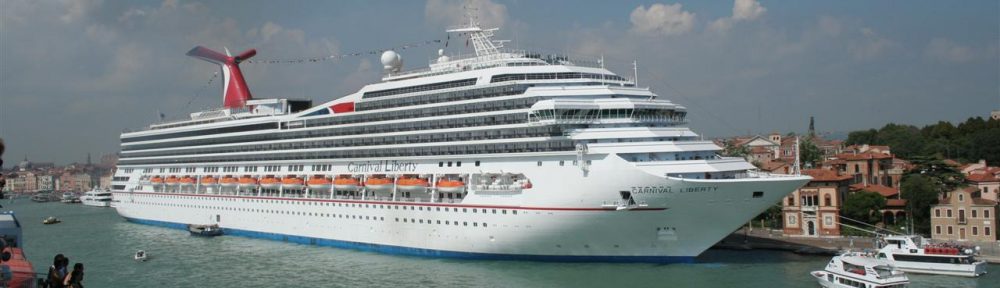
Brazilian Health Agency Warns Against Cruise Ship Travel

Brazilian health agency Anvisa on Sunday warned passengers against boarding cruise ships operating along the Brazilian coast after outbreaks of COVID-19 affecting crew and customers, according to a statement on its website.

The move follows a call for the “immediate temporary interruption of the cruise ship season in Brazil” as they pose a risk to public health.

“In view of recent events, Anvisa does not recommend the embarkation of passengers who have trips scheduled on cruise ships for the next few days,” the statement said.

“This recommendation takes into account the rapid change in the epidemiological scenario, the risk to the health of passengers and the unpredictability of operations at this time.”

There are five cruise liners operating on the Brazilian coast being monitored by Anvisa, the agency said.

MSC Splendida and Dawn in Palma Photo credit Spacejunkie2

The MSC Splendida, anchored at Santos, was banned from embarking new passengers from late Saturday and the vessel was quarantined from Sunday. The Diadema was ordered to suspend service and all passengers will need to disembark when it arrives at Santos, Anvisa said. 

The other three are the MSC Preziosa, Costa Fascinosa, and MSC Seaside, which face a potential boarding ban and service suspension pending further epidemiological investigation, Anvisa said. (Reporting by Ana Mano; Editing by Stephen Coates)
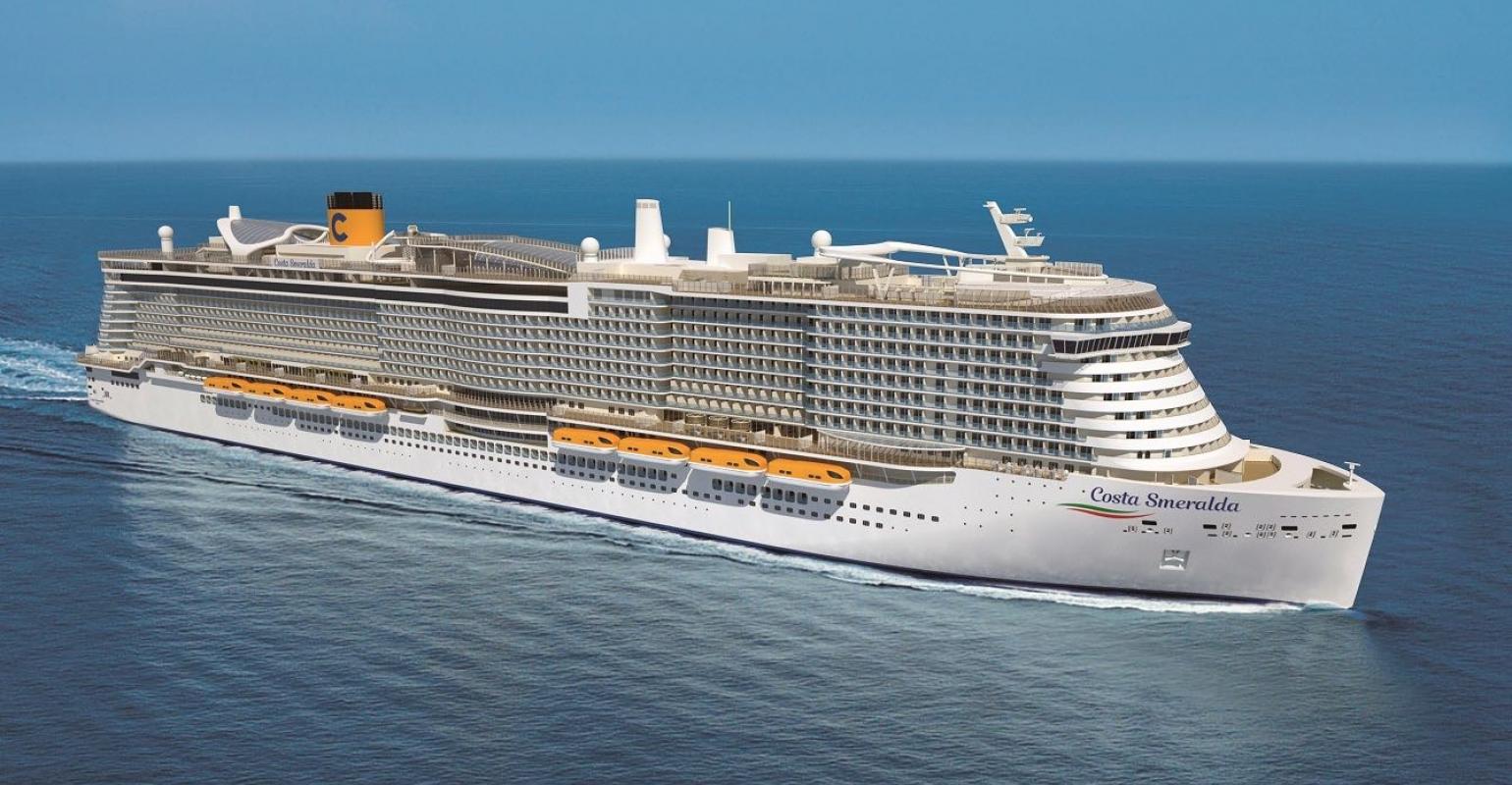
Third Costa Ship Back Cruising: Smeralda Departs From Savona

Costa Cruises now has three ships back in cruise operation as the Smeralda departed from Savona on Oct. 10 with guests aboard.

The ship joins the Deliziosa and Diadema as the Costa ships back in operation.

All three ships are sailing under the Costa Safety Protocol which is a strict set of new health and safety requirements including COVID-19 testing for all guests and crew. 

The LNG-powered ship will now offer five week-long itineraries through early November, calling at Italian ports La Spezia, Cagliari, Naples, Messina and Civitavecchia/Rome.

“It is very exciting to see our flagship depart once more from Savona, Costa’s main port in the Mediterranean,” said Michael Thamm, Group CEO of Costa Group and Carnival Asia.

“We are gradually returning to cruising with an increasing number of ships, in a safe and responsible way, thanks to new health protocols. The return of Costa Smeralda, which represents the most advanced vessel in our fleet in terms of reducing environmental impact, is also a renewal of our commitment to sustainable cruise development, which will be one of the key points in the recovery of our sector in the coming years,” Thamm noted.

Savona is playing a leading role in the company’s restart, with the Smeralda scheduled to homeport in the Italian city through the end of 2021. Plans call to offer different itineraries, per local regulations, that will include Italy, France and Spain.

Starting in November, the Costa Diadema will also dock at the Palacrociere cruise terminal in Savona and will offer 12-day cruises to the Canary Islands, 14-day cruises to Egypt and Greece, and 14-day cruises also to Turkey.

The Costa Fortuna, Costa Favolosa and Costa Fascinosa will also arrive in Savona, offering mini-cruises in the Mediterranean and 10-day cruises to Portugal.

MSC Cruises: Tunis attack hasn’t badly hurt business

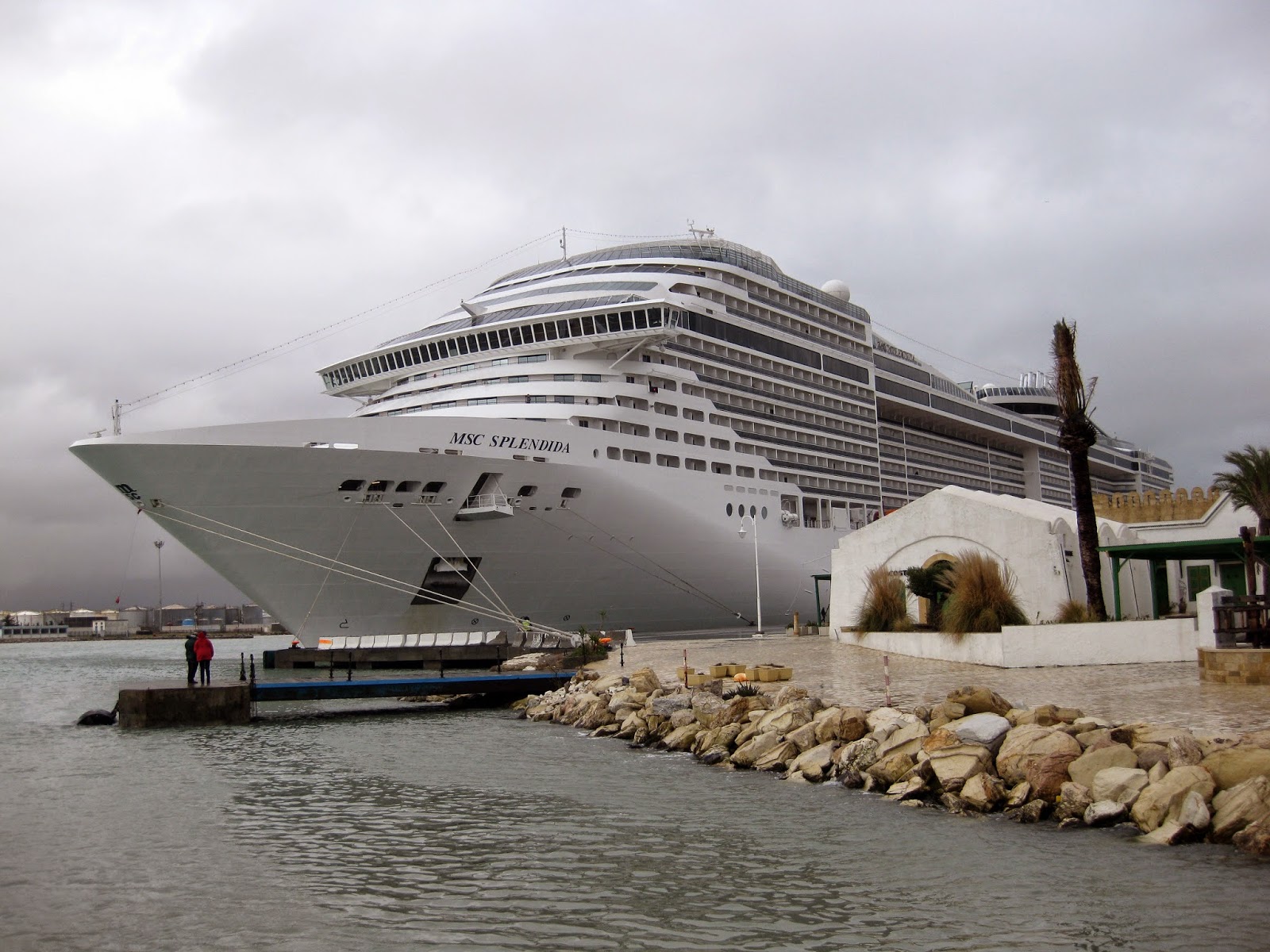
Photo by Dave Jones; MSC Splendida in Tunis Port

NEW YORK — The attack on the Bardo National Museum in Tunisia that killed 17 cruise passengers on excursion has not had a major impact on bookings at MSC Cruises, said MSC Cruises USA chief Rick Sasso.

“We had very few cancellations,” he said.

The MSC Splendida and the Costa Fascinosa had passengers on excursions to the Bardo on March 17 when gunmen opened fire at the site, killing 12 MSC and five Costa passengers.

Both companies have since dropped calls in Tunis. Sasso said the line was able to “augment” its itineraries with other calls. (The Splendida is now operating in northern Europe.) He said a few of the cancellations MSC received were from passengers who wanted to visit Tunis.

“That was a great port of call,” he said. “Tunisia was very safe, very cultural.”

MSC continues to base representatives in Tunis to work with passengers or families there; some injured passengers are still in the city, Sasso said.

He said that MSC had also reached out to passengers indirectly impacted by the attacks — for example, people on a coach that were not at the museum when the attack occurred.

“We’ve reached out to them and offered support,” he said. “We’re helping them if they need help to deal with the psychological trauma.”

In a conference call with analysts earlier this month, Carnival Corp. CEO Arnold Donald said that incidents like this “affects the psychology of travel.”Carnival Corp. owns Costa Cruises.

“We will just have to monitor and see what the long-term effects are,” he said.

Donald said that the Tunis calls were 2% of the company’s total calls.