Thomson Purchase QE2 From Cunard

QE2 Left to rust in Dubai

The www.CRUISE.co.uk team can exclusively reveal that the Queen Elizabeth 2 (the famous former flagship of Cunard) is set to be bought by Thomson Cruises.

The QE2 (as she is known) is currently floating in Dubai and her lease expires in November this year.

She left the Cunard fleet in 2008 and was previously bought by a company that intended to turn her into a hotel. She has since been left to rust in Dubai and there had been rumours she would be scrapped after pictures emerged of the disrepair she was falling into.

However, Thomson Cruises have announced that they will be purchasing her once her lease is up.

Helen Caron, Managing Director of Thomson Cruises said: “We are excited to have another new ship join our fantastic fleet. Passengers have already told us how excited they are for our newest ship [the Thomson Discovery] and they now have another new launch to look forward to.

“We will be making adaptations to increase the family friendly aspect of the QE2 and look forward to introducing families, couples and cruisers from all walks of life to a true ocean liner.”

It has not yet been revealed what these adaptations may be, but the ship can currently accommodate 1,892 passengers and 1,040 crew. There are five restaurants, two cafes, three swimming pools, a cinema and a casino.

It has also been rumoured that the ship will be called the Thomson Triumph but this has not yet been confirmed by the cruise line.

Traditionally the QE2 has made transatlantic sailings, however it seems likely that she could be sailing on Mediterranean itineraries once under Thomson’s control.

Fred Olsen reports record start to 2016

Fred Olsen Cruise Lines is claiming a 27% hike in sales in the first week of January.
The seven days represented the line’s most successful in its history for both yield and volumes with an increasing number of bookings by first-time cruise passengers.


The line says 80% of people booking new five-night Norwegian fjords cruises from Newcastle are first-time cruisers, and are seven years younger than the Fred Olsen average.
The boost over the same record breaking period last year means that some 2016 departures are now sold out.


Sales and marketing director, Nathan Philpot, said: “We are in a very fortunate position that our smaller ships provide us with the ability to create and tailor-make such rich itineraries, for example, our popular river and waterways cruises on shallow-drafted Braemar.


“Our regional departures also give us the significant benefit of making a Fred Olsen cruise even more accessible to our guests.


“A number of our sailings for 2016 are already sold out, or only have a handful of cabins left. We will be moving our largest ship, Balmoral, to Newcastle this year, which was an ambitious decision, but the travel trade have been extremely supportive, and our sales in the north-east are well ahead of expectations.”


He added: “A key strategic driver for us is to attract new guests to the brand. Whilst we have a very high repeat rate – with a significant number of Fred Olsen cruisers returning time and time again – January has seen the share of ‘new to cruise’ guests shift by seven percentage points, and the average guest age has fallen by 11 months across the fleet.


“This is against a backdrop within the cruise industry that has seen the average age grow by five years, with an increasing reliance on existing customers.”


The line’s 2017/18 cruise programme is being released in March, which will see its fleet of four ships sail from ten UK departure ports to more than 200 destinations worldwide.

Viking, Crystal and navigating new waters

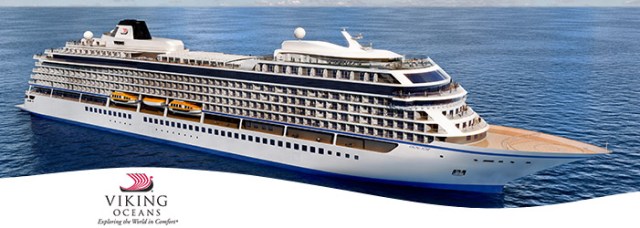
Less than one year after Viking launched into ocean cruising with the delivery of the Viking Star in March, Crystal Cruises announced that it would go from ocean to rivers, with the launch of its first river cruise ship slated for 2016.

So what are some of the potential advantages and disadvantages of each approach? Of bringing your past river cruisers onto new ocean ships and of introducing your ocean cruisers to your new river program?

The key to success in these ventures is likely the fact that ocean and river cruising are just similar and different enough to offer something both distinct and yet familiar to the other. They are products that complement each other perhaps more than they compete with each other. Yes, they’re both a form of cruising. But that’s just about where the similarities end.

And yet, it’s still a bit of a risk, right? If you’re Viking and you introduce your past river cruise passengers to ocean cruising and they realize they like ocean cruising more — maybe you’ve just lost some river cruise customers. Ditto Crystal introducing ocean cruisers to the rivers with the chance of converting some customers away from the company’s core product.

It’s hard to say whether that risk is higher in one direction or the other: Avid river cruisers might say ocean cruisers are bound to be courted by the central docking locations and intimate environments on river cruise vessels, and ocean cruisers might feel that once river cruisers come onboard they’ll never go back to smaller vessels with fewer amenities and shorter itineraries.

But clearly for Viking and Crystal, the benefits outweigh any potential drawbacks. Perhaps rather than lose their customers to other companies, they’d rather keep them within their fold by offering river cruisers ocean vessels and by offering ocean cruisers river vessels — keeping them in the family, so to speak.