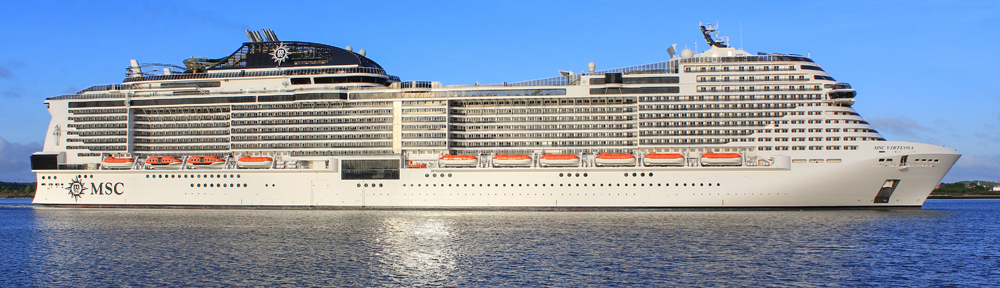

Yet except for the Celestyal Crystal operated by Cuba Cruises, and a few other small ships, cruising in Cuba is still not possible. Some cruise executives say it is at least three to five years off.

So what to tell clients about visiting the island? One answer is to suggest Cuba’s cousin, Puerto Rico. There’s a lot of what a client would experience in Cuba itself, with the bonus of being available today, not in the hazy future.
Cuba and Puerto Rico share a common heritage. Both were freed from Spain in the lopsided Spanish-American War of 1898. Cuba’s independence movement was more advanced, so it became a new nation. Puerto Rico became a territory of the U.S., which it remains today.
Much of what travelers would find in Cuba they can also find in Puerto Rico, including Caribbean-Latin cuisine, great music, fabulous beaches and intriguing Spanish colonial architecture. The mountains, the foliage, the urban energy and rural charms are the same.

An arrival at San Juan harbor with its picturesque 16th century forts is a real pleasure, with the ships docking conveniently at the foot of the Old San Juan historic district.
Some things are different, of course. Charming 1950s automobiles are harder to find, and McDonald’s and other signs of U.S. commerce are part of the landscape. Making up for that, perhaps, is widely prevalent bilingualism and the comforts of being in U.S. territory (with the simultaneous appeal of being someplace that feels foreign).
About 1.5 million cruise passengers arrived or departed a cruise in Puerto Rico last year. A Quantum of the Seas call in December marked the largest cruise ship ever to dock there.
San Juan is unusual in being both an active port of call and a homeport for Royal Caribbean International and Carnival Cruise Line, which offer southern Caribbean itineraries that are different and less traveled than those departing from mainland ports.

Next year, Carnival plans to station a larger ship in Puerto Rico, the 2,758-passenger Carnival Victory, which will visit Barbados and St. Lucia, among other stops. It is expected to carry 150,000 passengers annually.
For someone who really wants a Cuba-like cruise experience without waiting for the bureaucratic and diplomatic wheels to turn, Puerto Rico is a good bet.
 LAKE BUENA VISTA, Fla. — With Cinderella Castle as a backdrop and under a cloudless blue sky, President Barack Obama on Thursday issued a message to the world: “America is open for business.”
 Wetravel2u's Weblog