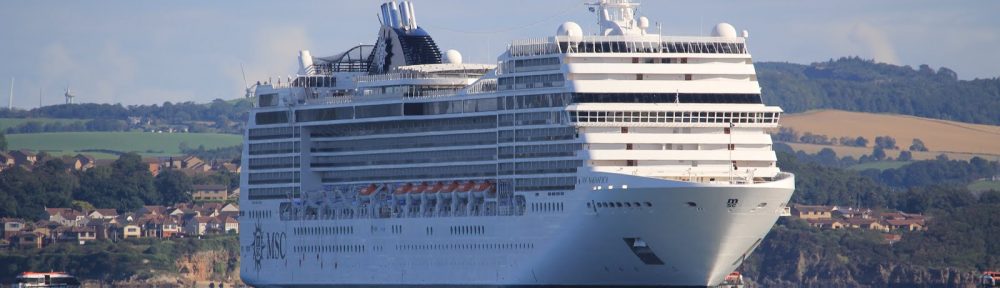
The salvage could involve a semi-submersible boat effectively carrying the ship from its resting place off the Italian island of Giglio to Genoa to be dismantled.
Costs to insurers have spiralled to almost £1.2 billion because wrecks are usually cut into pieces and carried away. But Italian authorities have decided that such a move would risk an environmentally sensitive stretch of coastline so the ship is being removed in one piece.
Captain Rahul Kanna, a ship insurance specialist at insurer Allianz told the Mail in Sunday: “The primary reason for the cost is the method of removal. It sets a very dangerous precedent.”
Costa Concordia hit rocks in January 2012 killing 32 people.
The ship was turned upright last September after salvage contractors reinforced the seabed beneath it.
Modern shipping is creating the possibility for much bigger losses as ships grow in size and start to use remote Arctic shipping lanes, insurers are warning.
“Any losses in the Arctic would be a logistic nightmare to arrange rescue and salvage,” Kenna was reported as saying.
 One of the more amazing sights when the space shuttle program was in its prime was the 83-ton shuttle atop a Boeing 747 being ferried from its landing field at Edwards Air Force Base in California. The shuttle needed an assist because, other than its launch and return from earth orbit, it could not fly on its own.


 Wetravel2u's Weblog