Shell Acquires Majority Stake in the Celtic Sea Floating Wind Farm

By Laura Hurst (Bloomberg) —

Royal Dutch Shell Plc agreed to buy a 51% stake in an Irish project to develop a floating wind farm in the Celtic Sea.

Simply Blue Energy’s Kinsale venture will develop the Emerald floating wind farm, with 300 megawatts of capacity initially and the potential to scale up to 1 gigawatt. The companies didn’t disclose the value of the deal.

Shell divested its upstream oil and gas assets in Ireland in 2018, but the new acquisition falls into a growing list of investments in renewable and low-carbon assets designed to help the company achieve climate goals set out last year. Earlier this week, the Anglo-Dutch supermajor bought the U.K.’s largest public electric vehicle charging network, while at the beginning of the month it invested in a waste-to-fuels plant in Canada.

“This project could provide green power to consumers and businesses alike and contribute towards Shell’s ambition to be a net-zero emissions business by 2050, or sooner,” Collin Crooks, Shell vice president for offshore wind, said in a statement.

The project will also help the Irish government meet its climate target of 5 gigawatts of offshore wind by 2030, Simply Blue Energy CEO Sam Roch-Perks said.

Shell has been involved in offshore wind since 2000 and has more than 6 gigawatts of wind projects in development, according to its website. Its wind assets are mostly in The Netherlands and the U.S.

Germany lifts blanket travel warning but only 11 countries ‘open’

The German government lifted its ‘blanket’ warning against international travel on October 1, but foreign office advice against all but essential travel still excludes all but 11 countries.
The Berlin government will also impose 14-day quarantine restrictions on travellers arriving from most countries from October 15, with early release from self-isolation only for those who test negative for Covid-19 after five days.


Advice against non-essential travel routinely renders travel insurance invalid except where travellers are already abroad when the advice changes.
The German travel industry vowed to campaign against the new restrictions.
However, German health minister Jens Spahn urged people to “avoid unnecessary vacations abroad”.
Speaking on German TV, Spahn said the rising Covid infection rate in Germany involved people returning from holidays and said: “We can learn from this in terms of autumn, winter and Christmas.”

German foreign ministry advice against travel due to Covid does not just cover ‘high risk’ countries but also those considered a lower risk with restrictions of their own.
The government introduced a three-tier, traffic-light system of travel advice as it ended the blanket warning.
This categorises high-risk countries as ‘red’, those with lower rates of infection but restrictions in place as ‘amber’ for ‘wait before travel’, and low risk as ‘green’ signifying a low level of infection but with advice to ‘take special care’.


The ‘red’ category currently applies to 123 countries – including Spain and Belgium – and to parts of an additional 15 countries including most of France, Croatia and Turkey excluding ‘the Turquoise Coast’, Wales and Northern Ireland.

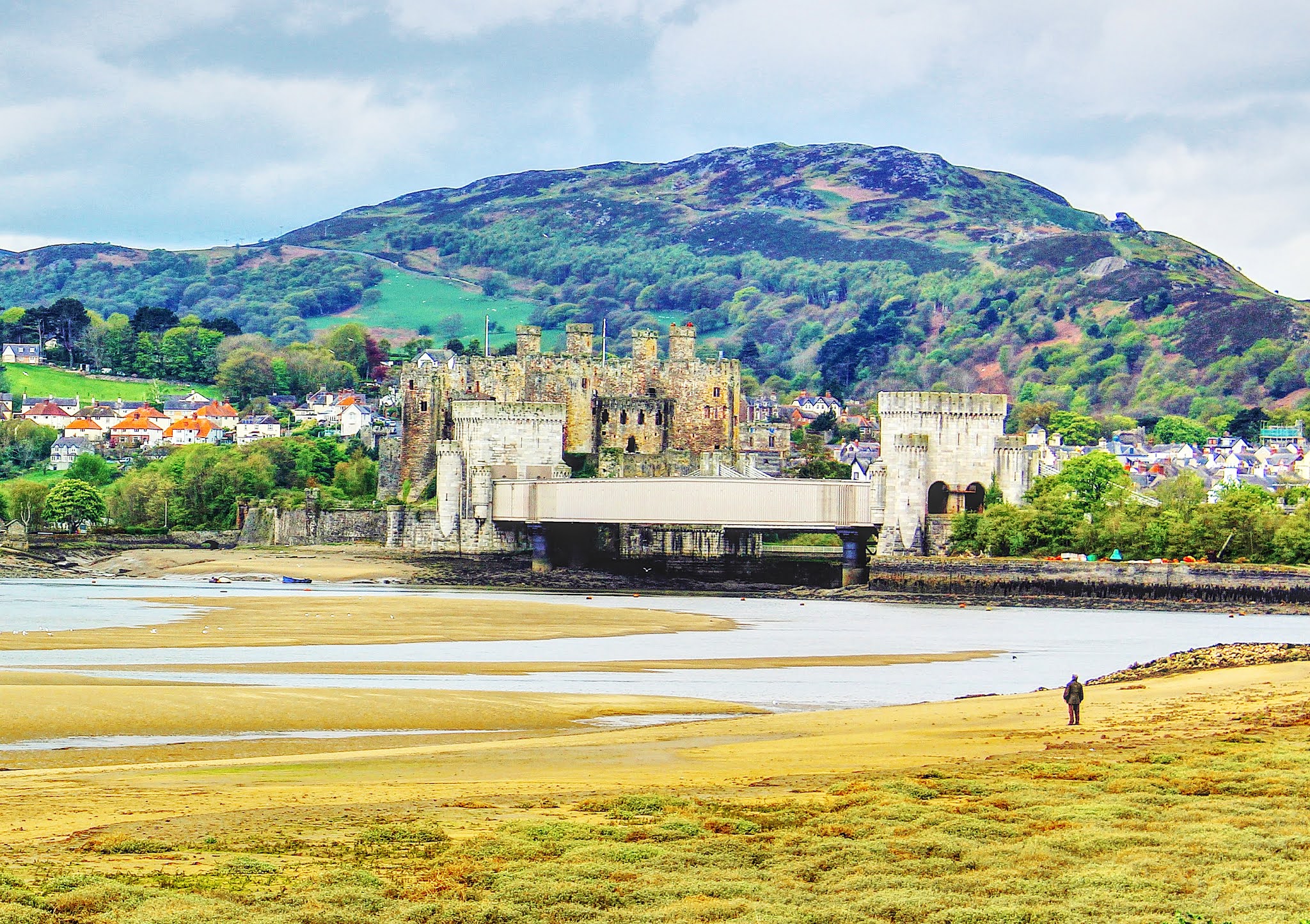
Conway Castle in North Wales.

The ministry also advises against travel to many European cities including Vienna, Amsterdam, Geneva, Budapest, Dublin and Lisbon.
Only nine of the 26 EU member states fall wholly in the green category and two outside the EU – Tunisia and Georgia.
Germany imposed a global travel warning in March but lifted it for most European countries in June.
The government temporarily introduced free Covid tests on arrival for travellers returning from ‘high-risk’ destinations but withdrew this in September because of the pressure on testing facilities when it also reissued warnings for travel in Europe.
Germany’s response to Covid and travel has been hailed in Britain as an example to follow, but from mid-October Berlin’s approach will be similar to the regime the UK government appears to be moving towards.
In the meantime, figures suggest the German travel market has had no better summer than the UK’s.

Holyhead: 30 Percent Traffic Increase Set For 2020

Holy Head

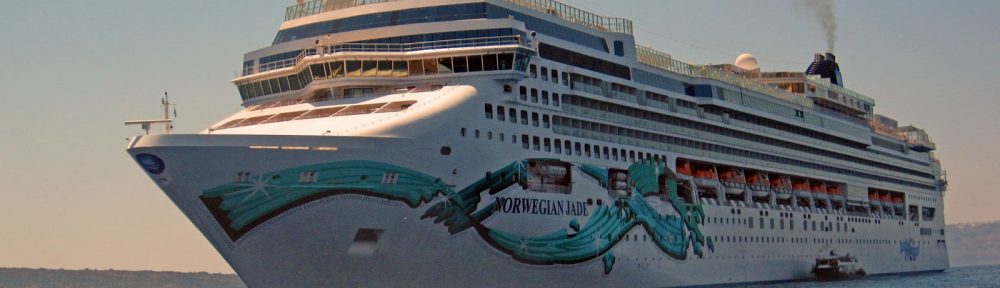
“2019 will be on par with 2018 for passenger numbers and calls,” said a spokesperson for Cruise Wales, discussing the cruise traffic in Holyhead.

Next year is better, showing a 30 per cent increase in passenger numbers thanks to larger vessels, the spokesperson said.

“Cruise Wales works closely with local authorities, port services, and tourism businesses to meet expectations to ensure passengers are immersed in our wonderful culture and heritage so they will return again and again,” they said. “We are also working on digital language translation and an ambassador program.”

Berth bookings for Holyhead Port are being taken out through 2022.

Through the Tourism Investment Support Scheme, the Welsh government has invested in a pontoon at Fishguard allowing larger cruise vessels to call, and the Port of Holyhead is also to undergo change, with a new multi-use berth development with 340 meters of dock space coming soon.