

Staying connected at sea is something more and more cruisers want to know how they can get internet access while at sea. Royal Caribbean WiFi has received renewed emphasis recently with better technology offering superior coverage and faster speeds. Here’s what you need to know to surf, chat and share your cruise vacation via social media.
How can I get connected on my Royal Caribbean cruise?
All Royal Caribbean ships offer shared computers and wifi internet access. Older ships have select locations in public areas where guests can log in, but newer ships and ships that have been refurbished in the last few years have gotten “stem to stern” WiFi coverage that allows internet access from anywhere, including staterooms.
At the very least, you can turn your internet device on and log onto the WiFi signal in common areas such as the Promenade, Library or lounges. If your Royal Caribbean ship is Oasis or Quantum class, it will have internet access everywhere. Other older ships have slowly been getting upgrades to allow access everywhere.
How is wifi access controlled?
Your access to the internet on-board your Royal Caribbean ship is tied to your stateroom and account you create.
When you first login to Royal Caribbean’s wifi, you will see an option to create an account and there you can sign up for a plan or pay for the internet by the minute. In either case, the charge for internet usage will be applied to your stateroom account.
What devices can access the internet?

Photo by Nick Jones
Any internet device that can access a 802.11b wireless connection can connect to the internet. This include most smart phones, laptops and tablets.
Royal Caribbean does provide workstations that are shared and available on a first-come, first served basis but we’ve found them to be slow in terms of performance.
Is the internet speeds slow or fast?
Compared to land connections these days, Royal Caribbean’s wifi is slow but it’s still better than no connection at all. Speeds will vary based on the ship’s location, weather conditions and how many other people are trying to log on.
Generally speaking we’ve found the internet speeds to be best late at night and in the early morning hours when the least people are on-line. Actual speeds and performance vary and normally it’s moderately slow but can get bogged down depending on the conditions noted earlier.
Royal Caribbean is about to improve the wifi speed dramatically when it partners with a new internet provider that will launch new satellites that promise speeds just as good as on land.
Please remember that the internet speed in general is outside of Royal Caribbean’s control and because it’s satellite based, sometimes there’s just nothing they can do. We do recommend if you do waste a lot of time trying to connect to graciously speak to someone in Guest Services because they will often refund some of your time so you can try again later.
What about using Skype or Face-time on my Royal Caribbean cruise?
In the past Royal Caribbean blocked Skype and other VOIP applications because they were bandwidth hogs and the speeds were just too slow to use. These days, we’ve seen them unblocked on some cruises and blocked on other cruises.
When Royal Caribbean implements their speed upgrades, expect those type of services to be available again.
How much does internet access cost?
Royal Caribbean’s internet prices vary from ship to ship but the base rate for internet access is 65 cents per minute.
Royal Caribbean offers a number of internet packages that lower the per-minute cost. On some newer ships and refurbished ships they also offer unlimited internet access plans for the duration of your cruise.
In general, you should opt for an internet package rather than paying per minute to get the best deal. Crown and Anchor Society members get discounts on internet packages that you can apply to your plan at Guest Services onboard.
Alternatives to Royal Caribbean WiFi
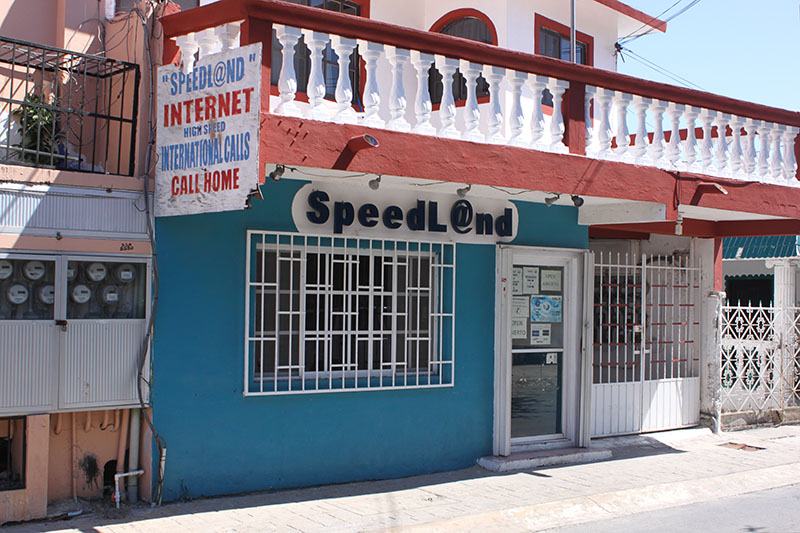
If the price of Royal Caribbean’s internet is too much, you may be better off financially (and speed wise) by connecting when you are in port.
There’s lots of restaurants, bars and other establishments that offer WiFi access for free or a small fee. Many will offer you access if you buy something and the cost is negligible compared to what Royal Caribbean charges.
A great tip is to ask crew members on your cruise where they go for internet access because they visit these ports regularly and know where to find the best deals.


 Lines are especially eager to foster social media use by guests, because postings by passengers on Facebook, Instagram and Twitter serve as user-generated marketing messages that are cost-efficient and perceived by the general public as highly credible.
 Wetravel2u's Weblog