Japan’s tourism industry to recover by early 2012

Japan’s tourism industry to recover by early 2012

Oct 06, 2011 07:00AM GMT

Japan’s tourism industry is showing clear signs of recovery for 2012 following the tsunami earlier this year, according to the World Travel & Tourism Council.

In the WTTC’s second quarterly report into Japan’s recovery, which uses data from the Japan National Tourism Organisation and STR Global, foreign visitor numbers in June and July were 36% lower than in the same period last year. In comparison, visitor numbers fell 62% in April and 50% in May.

The report, The Tohoku Pacific earthquake and tsunami: impact on travel and tourism – update September 2011, also shows demand for hotel rooms improved in June and July compared to previous months but was still around 5% down on June and July 2010.

The improving yen and containment at the Fukushima nuclear plant are likely to be behind the optimistic findings, said the WTTC. Japan’s inbound tourism recovery will be further helped by a forceful marketing campaign by the Japan Tourism Agency, it added.

WTTC president and chief executive David Scowsill said: “As the world’s largest travel and tourism economy in the world, the recovery of Japan is one of the most compelling issues facing the industry anywhere in the world.”

Prior to the earthquake and tsunami on March 11, Japan’s travel and tourism industry was expected to provide nearly 1.5 million jobs in 2011 and to directly contribute 2.2% of total Japan’s gross domestic product.

The news of a recovery has been backed up by specialists to the destination. Tour operator InsideJapan Tours said departures were almost back to normal figures by September compared to June when bookings were only 60% of those in the same month a year earlier. Although there is still “some work to do for the usual peak autumn months, normal booking levels are expected to return by Novermber, said the operator.  Strong hotel deals and flight prices are expected to aid the recovery.

An InsideJapan Tours spokesman said: “With the Japan women’s football team winning the world cup, a summer full of festivals and the autumn’s leaf viewing season on the horizon, there is much to be positive about in Japan. Six months on from the biggest earthquake in its history, the sun is most definitely shining in the Land of the Rising Sun.”

The WTTC plans to give a further update on Japan later this year and a final report in April next year, a year after the disaster.
Tesco ‘using travel for loyalty, not profit’

TTC 2011: Tesco ‘using travel for loyalty, not profit’

Oct 05, 2011 11:00AM GMT

Tesco says it has no intention of making money from travel but could enter the deals market as it seeks to use the sector to help it drive up customer loyalty.

Ian Simpkins, the grocery giant’s Clubcard rewards director and former Tui mainstream boss, told an e-tid breakfast briefing at the Travel Convention Tesco had only “scratched the surface” of travel.

He said there was a huge opportunity to engage the full 14 million customer Clubcard database – currently only two million are making rewards-based bookings.

Rewards offer the Tesco customer the opportunity to realise greater value for their Tesco points by using them to buy deals offered by partners, like Cosmos in Travel.

“We are just scratching the surface- that’s the reason I came into the role,” Simpkins said. “We do not make any profit from doing this. It drives a loyalty effect, so ultimately it does drive profit.

“We know our Rewards customers are our most loyal, they become real advocates and they chase points.

“We are in travel through Clubcard Rewards but working with partners to sell food and other associated items. To get into travel is not really the core competency of Tesco.

“The reason Tesco loves travel is because it has a really emotional effect, it drives the loyalty effect. I have this vision of people walking down the beans isle choosing points thinking about booking their holiday.

“It becomes a real emotional play for them while they are doing their shopping.”

Simpkins said he sees Tesco sending out more cash-based travel deals by email that can be used without the need for cashing in Clubcard points.

He added: “We are very, very careful about how we communicate to the consumer  because we do not what to lose those who are real advocates.

“We have seen the likes of Groupon come into the market. It’s almost got to the stage where we get so much contact now that’s not relevant you see it in your inbox and you delete it.

“It’s about finding the right frequency that’s right for the consumer and maybe letting the consumer choose what frequency they want.

“People shop daily, weekly and fortunately we have got that engagement. We are such a broad brush of the market. We get all sorts of people using Tesco and we can target those people easily.

“People who buy travel tend to be more affluent, older, perhaps they are not looking for the best price but are looking for the best value. That goes all the way through Tesco. People buy value.

“What I’m asking my team to do is go out and get a killer deal every fortnight to excite people.”

Simpkins said Tesco has an advantage over other online retailers because it has a customer service ethos – if something goes wrong the customer knows who to call.

Rewards bookings in travel account for around one third of the bookings made each year accounting for around 150,000 people booking with Tesco’s travel partners, Simpkins said.

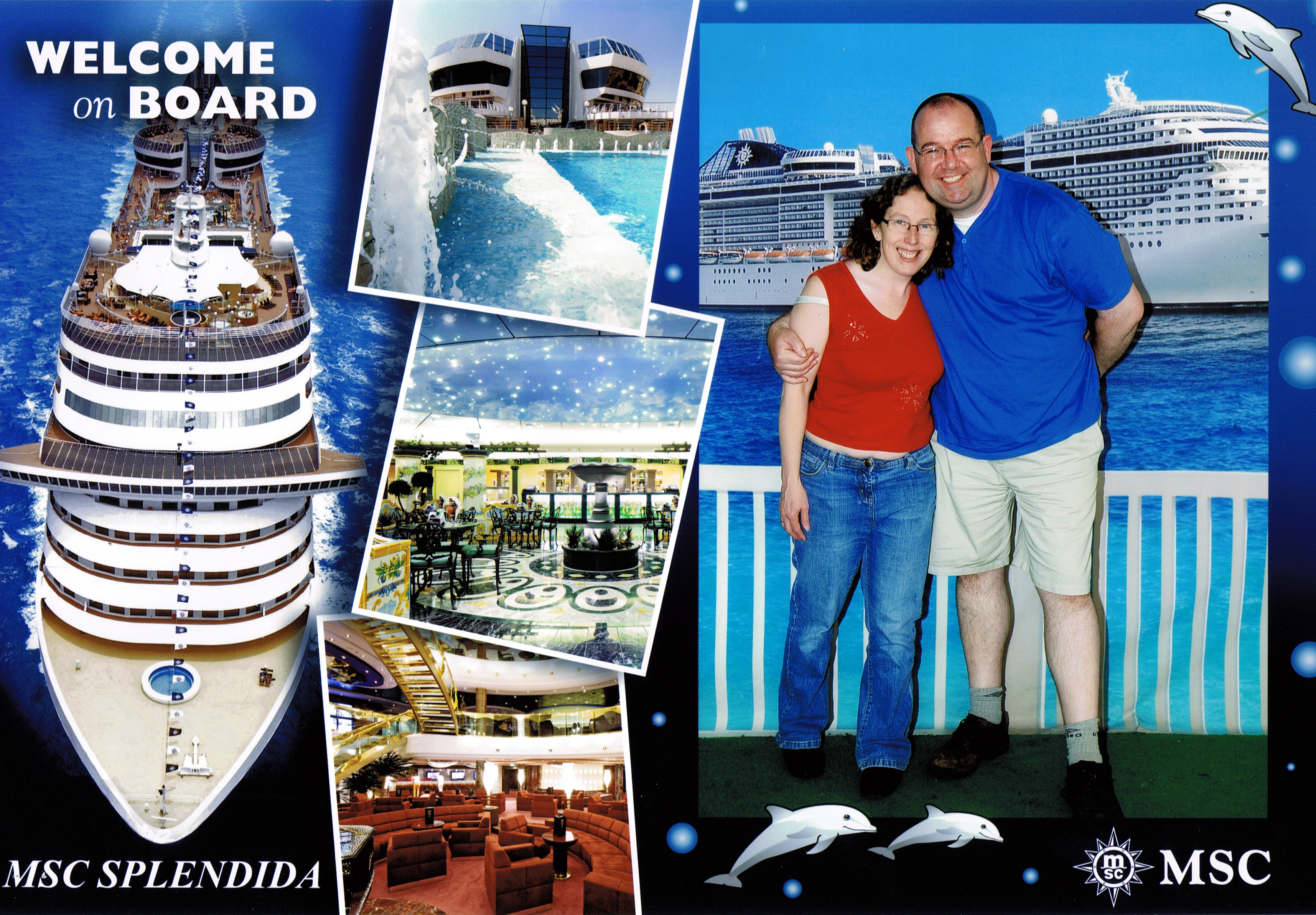
MSC Splendida Photos

Click the Link below to view my MSC Splendida Photos

http://s1234.photobucket.com/albums/ff405/spacejunkie1/MSC%20Splendida/?albumview=slideshow