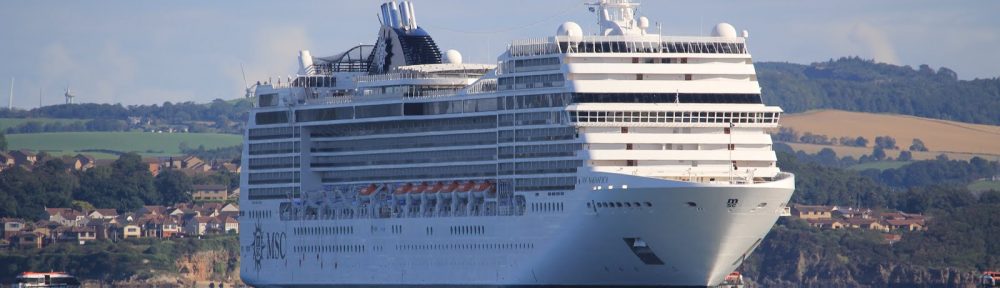

MSC Cruise have 7 New Builds on order.
The Cruise Ship Orderbook page is now updated through 2022 on CruiseIndustryNews.com.
The updated page reflects all known ship orders through 2022, including Carnival Corporation’s recent nine-ship order, along with a fourth Quantum-class vessel for Royal Caribbean.
The update also includes deployment announcements as well as delivery changes, such as the Viking Sky being pushed back to 2017.
Cruise Ship Orderbook
| Cruise Line | Ship | Cost(1) | Tonnage | Capacity | Yard | Sailing | Delivery |
2015:
| P&O Cruises | Britannia | $760 | 141,000 | 3,611 | Fincantieri | Europe | March |
| Viking Ocean | Viking Star | TBA | 47,000 | 944 | Fincantieri | Europe | Spring |
| TUI | Mein Schiff 4 | $625 | 97,000 | 2,500 | Meyer-Turku | Europe | Spring |
| Royal Caribbean | Anthem |
$950 | 167,000 | 4,100 | Meyer | Eur/Carib | Spring |
| Ponant | Le Lyrial | $150 | 11,000 | 262 | Fincantieri | World | Spring |
| AIDA | AIDAprima | $645 | 125,000 | 3,250 | Mitsubishi | Europe | Q4 |
| Norwegian | Escape | $920 | 164,600 | 4,200 | Meyer | Carib | October |
2016:
| Holland America | Koningsdam | $520 | 99,000 | 2,660 | Fincantieri | TBA | Feb |
| Viking Ocean | Viking Sea |
TBA | 47,000 | 944 | Fincantieri | Europe | Spring |
| Carnival | Vista |
$780 | 135,000 | 4,000 | Fincantieri | TBA | Spring |
| Royal Caribbean | Harmony | $1,300 | 227,625 | 5,400 | STX France | TBA | Spring |
| AIDA | Unnamed | $645 | 125,000 | 3,250 | Mitsubishi | TBA | March |
| TUI | Mein Schiff 5 | $625 | 97,000 | 2,500 | Meyer-Turku | Europe | Spring |
| Royal Caribbean | Ovation |
$950 | 167,000 | 4,100 | Meyer | TBA | “Mid 2016” |
| Regent | Explorer | $450 | 54,000 | 738 | Fincantieri | World | Summer |
| Seabourn | Encore | TBA | 40,350 | 604 | Fincantieri | World | Second Half |
| Star Cruises | Genting World | $960 | 150,000 | 3,360 | Meyer | Asia | Fall |
2017:
| Norwegian | Bliss | $920 | 164,600 | 4,200 | Meyer | TBA | Spring |
| MSC Cruises | Meraviglia | $900 | 167,600 | 4,500 | STX France | TBA | Early 2017 |
| Viking Ocean | Unnamed | TBA | 47,000 | 944 | Fincantieri | Europe | Early 2017 |
| TUI | Mein Schiff 6 | $625 | 97,000 | 2,500 | Meyer-Turku | Europe | Spring |
| Princess | Unnamed | $760 | 141,000 | 3,600 | Fincantieri | TBA | May |
| Viking Ocean | Viking Sky |
TBA | 47,000 | 944 | Fincantieri | Europe | June |
| Star Cruises | Unnamed | $960 | 150,000 | 3,360 | Meyer | Asia | Fall |
| MSC Cruises | Seaside | $950 | 154,000 | 4,140 | Fincantieri | TBA | November |
2018:
| Carnival | Unnamed |
$780 | 135,000 | 4,000 | Fincantieri | TBA | March |
| MSC Cruises | Unnamed | $950 | 154,000 | 4,140 | Fincantieri | TBA | May |
| TUI | Mein Schiff 7 | $625 | 97,000 | 2,500 | Meyer-Turku | Europe | Spring |
| Seabourn | Ovation | TBA | 40,350 | 604 | Fincantieri | World | Spring |
| Royal Caribbean | Unnamed | $1,300 | 227,625 | 5,400 | STX France | TBA | TBA |
| Norwegian | Unnamed | $1,100 | 164,600 | 4,200 | Meyer | TBA | Q2 |
| Celebrity | Unnamed | $900 | 117,000 | 2,900 | STX France | TBA | Fall |
| Holland America | Unnamed | $520 | 99,000 | 2,660 | Fincantieri | TBA | November |
2019:
| MSC Cruises | Unnamed | $900 | 167,600 | 4,500 | STX France | Europe | Early 2019 |
| TUI | Mein Schiff 8 | $625 | 97,000 | 2,500 | Meyer-Turku | Europe | Spring |
| Royal Caribbean | Unnamed |
$950 | 167,000 | 4,100 | Meyer | TBA | Spring |
| Norwegian | Unnamed | $1,100 | 164,600 | 4,200 | Meyer | TBA | Q4 |
| Carnival Corp. | Unnamed | TBA | TBA | Est. 4,000 | Meyer | TBA | TBA |
| Carnival Corp. | Unnamed | TBA | TBA | Est. 4,000 | Fincantieri | TBA | TBA |
2020:
| Celebrity | Unnamed | $900 | 117,000 | 2,900 | STX France | TBA | First Half |
| MSC Cruises | Unnamed | $900 | 167,600 | 4,500 | STX France | Europe | TBA |
| Carnival Corp. | Unnamed | TBA | TBA | Est. 4,000 | Fincantieri | TBA | TBA |
| Carnival Corp. | Unnamed | TBA | TBA | Est. 4,000 | Meyer | TBA | TBA |
2021:
| MSC Cruises | Unnamed | $950 | 154,000 | 4,140 | Fincantieri | TBA | TBA |
| Carnival Corp. | Unnamed | TBA | TBA | Est. 4,000 | Meyer | TBA | TBA |
| Carnival Corp. | Unnamed | TBA | TBA | Est. 4,000 | Fincantieri | TBA | TBA |
2022:
| MSC Cruises | Unnamed | $900 | 167,600 | 4,500 | STX France | TBA | TBA |
| Carnival Corp. | Unnamed | TBA | TBA | Est. 4,000 | Meyer | TBA | TBA |
| Carnival Corp. | Unnamed | TBA | TBA | Est. 4,000 | Fincantieri | TBA | TBA |
| Carnival Corp. | Unnamed | TBA | TBA | Est. 4,000 | Fincantieri | TBA | TBA |
(1) In Millions
TBA = To Be Announced


 Wetravel2u's Weblog