Staying on track and ahead of the curve

By Carrie Finley-Bajak
When it comes to social media strategy, it’s not OK to turn on cruise control: If a reset is in order, take one. Granting yourself a do-over can actually refresh stale campaigns and force you to break bad habits. Here are some ways to keep your social media marketing on track for success.
Stay focused on your goals

It’s easy to get caught up in the buzz when it comes to social media. While I enjoy learning about new trends in digital marketing, I have to remind myself to stay focused on growing my business.

Using Google Analytics, Facebook Insights and reports from social media analytics companies like Simply Measured helps me leverage data to identify opportunities and to optimize activities.

My overall goal is to use social media to get visitors to my website. Almost all of my social media updates and campaigns fit my keyword strategy, and if I am doing my job right, then promoting my brand yields a measurable increase in fans and followers and a rise in website traffic.

Besides building brand awareness and increasing a fan base, social media can be used as a tool for prospecting, lead qualification and customer service.

To get leads on social media, it takes time and a commitment to consistency. A steady stream of product announcements does not perform well on social networks. Instead, focus on showcasing expertise and experience. Use different types of content formats to capture attention.

Using supplier resources can be a time- saver and a way to get new ideas for what to post on social media.

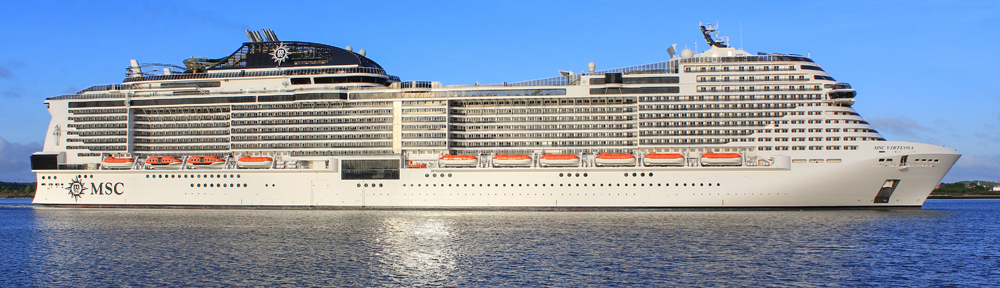
Ken Muskat, executive vice president of sales, public relations and guest services at MSC Cruises USA and chairman of CLIA’s Trade Relations Committee, reports that MSC Cruises continues to provide the most updated promotional tools on its agent website.

Within the marketing tools section is a social media tab offering ready-made tweets and Facebook updates based on the cruise line’s latest news and promotions.

Grow with social media marketing

Social media messaging should include a robust mix of unique calls to action that drive visitors to click on links to your website, where visitors can subscribe to your mailing list or find a number to call for more information.

Make sure you have a system to monitor and track leads from social media.

Even social media-savvy agents with an established presence on social media need to keep abreast of current trends to remain relevant.

One of the key findings in the 2015 Social Media Marketing Industry Report published by Social Media Examiner was that marketers still value Facebook and even though a large number of respondents use Facebook, 68% want to learn more about it and 62% plan to increase Facebook activities.

If you are one of the estimated 40 million small businesses using Facebook to promote your brand and to connect with customers, fighting for attention is a constant challenge.

A lot of people are looking for creative ways to generate leads without paying for Facebook ads.

In an article posted on Forbes.com, social marketing consultant and writer Jayson DeMers wrote “50 Free Ways to Increase Your Facebook Page Likes.”

Some of the highlights from Jason’s article include the following tips:

  • Use images as a regular part of your Facebook content strategy.
  • Engage with other pages in your niche through leaving “thoughtful comments in response to other people’s posts.”
  • When leaving Facebook comments, post as your page rather than from your personal profile.

If your Facebook page has been on cruise control, go back and refresh the about section, and add relevant events and detailed descriptions to photos.

In Travel Weekly’s Focus on Social Media article, there was a great example of an agent’s Facebook page that can inspire you to revamp lackluster Facebook pages.

Jill LaBarre’s page, Jill’s Great Escapes, has incorporated all the elements that will increase the chance of getting leads. I am impressed by the “book now” call-to-action button that drives leads to her website as well as the use of custom tabs to get leads to “register to win a trip.” Jill also has leveraged the events tab to highlight her upcoming trips — three excellent examples of how to leverage Facebook.

Another Facebook feature that you might not know about is the ability to auto-schedule updates. This time-saver could be enormous help to agents who can set aside a few hours a week to schedule Facebook updates. Find out more at the Facebook Help Center.

Twitter is another social media platform that generates a lot of buzz. For travel sellers, Twitter is a good place to engage with suppliers, network with other agents and stay current on industry news.

There are ways to get leads on Twitter, but I would recommend getting comfortable with the platform before investing in Twitter ads.

I get that Twitter is not for everyone, but according to the Social Media Examiner survey, marketers indicated it as an area where survey responders planned to increase their use.

At a minimum, Twitter accounts should be established and a header image and description with a link to an agent’s website should be set up.

There are many ways to use Twitter. For example, Travel Weekly hosts a live Twitter chat every month about trending topics in travel. We use the #TWchats hashtag to promote and engage with industry insiders, including agents, suppliers and influencers.

I would suggest getting started and using the list feature to help create customized streams specific to your niche. For example, create a list of your preferred suppliers to quickly see their posts.

The advanced search feature enables users to create custom searches based on keywords and variables like location.

Best in show

These are my favorite tweets from June’s #TWchats about social media best practices within the travel industry:

Larry Pimentel admits to using social media to find “a unique luxe wellness lodge in #NewZealand called @SplitApple.” The CEO of Azamara Club Cruises added in his tweet, “Travelers loved the experience. So did I.”

Catherine Heeg: “I really like Pinterest as you can organize your photos and message boards and pins to clients.”

Seiche Wave: “A great social media campaign stimulates dialogue, attracts new followers and increases new visitors to all associated sites.”

Video

No conversation about social media marketing is complete without mention of video.

Whether an agent uses a smartphone, digital camera or expensive video recorders, we know that videos capture the attention of people on social media.

  • Anyone can set up a YouTube channel, and a lot of suppliers will give you permission to upload their content onto your agency’s branded channel.
  • Instagram has a video-sharing feature as well as Vine, which can be easily shared on Twitter.
  • Facebook allows users to directly upload video. Pinterest allows users to “pin” videos, and your website should have a blog where you can easily embed videos to leverage content.

Avoiding common social media mistakes

By Carrie Finley-Bajak

Carrie Finley-BajakAre common mistakes keeping you from social media marketing success? While word-of-mouth and email marketing are effective ways to reach your target audience, most travel agents agree that social media can also yield results.

When it comes to attracting attention on Facebook, Instagram, Twitter, YouTube, Pinterest, Google+, Tumblr or LinkedIn, competition is fierce. Avoiding common mistakes can result in more brand exposure and leads.

Here are some social media mistakes to avoid, plus a few quick-fix tips:

1) Irrelevant or cumbersome user names and handles. It might seem fundamental, but social media user names, handles and personal URLs need to be user-friendly. Make sure the name reflects branding, is easy to read and is short.

Even expert social media users have challenges with handles. For example, Jean Newman Glock, consultant at JNG Worldwide and Signature Travel Network, admits that one of her biggest social media mistakes was creating a long Twitter handle. Jean learned the hard way about the importance of choosing handles carefully.

“My first and ongoing mistake is obvious: creating a user name with too many characters,” said Jean, whose Twitter handle is @JeanNewmanGlock. “What was I thinking? I only figured this out after setting up the same name across all social media platforms.”

Although Jean has done a good job branding herself online, she said long user names can pose a character-limit problem, especially for people who want to repost her Twitter updates.

Tips:

  • Before selecting a user name, investigate character limitations across all social media channels.
  • Pick short social media user names and handles to make it easy for customers to mention your brand.
  • Be willing to change your user name if necessary. Facebook page administrators can change their page’s user name once. To learn how to customize the Web address for your profile or your page, visit www.facebook.com/username.

2) Posting about topics not related to your business. Unlike using social media for personal accounts, travel agents need to stay disciplined to comment on, share or post only content that is relevant to their business. Posting actionable content that is relevant to your audience is an art. The best way to make sure you are on target is to rely on social listening to determine what your customers want while staying true to your brand.

Your social media goal should be to maintain a steady stream of posts that reflect your branding, as President Obama has done.

A common mistake that dilutes brand messaging is posting updates that are not related to your business. Jean mentioned that when she started on Twitter and Instagram she “shared everything, on any topic.” But the expertise she has to share is about travel, not politics, etc. Jean now “keeps a laser focus on travel and tourism with a few family, personal shares to keep it grounded.”

Tips:

  • Your goal should be to post regular social media updates to help keep you top of mind. Maintain a steady stream of travel-related posts that reflect your branding. Mix up your messaging with a combination of text, images, infographics and videos.
  • Try combining a quote with an image to generate visually appealing graphics. UsePicMonkey for a quick way to generate shareable graphics.
  • Utilize Facebook’s Milestone feature to celebrate events. To add a Milestone to your Facebook page, click Offer, Event + at the top of your page’s Timeline.
  • Expand your technology toolkit and experiment with Haiku Deck, a presentation program that offers access to free images that can be used to tell your brand’s story in a unique way.

3) Failing to use marketing materials provided by suppliers. Travel agents who do not take advantage of marketing materials available to them from suppliers, tourism boards and public relations firms are making a big mistake.

Let’s face it, unless you have marketing budgets for large ad buys to reach your target audience, social media updates will have to be delivered manually. On Facebook, that means attempting to get engagement from your friends while fighting for coveted newsfeed positioning.

Tips:

  • In order to save time recreating marketing messages, use supplier content. Use existing marketing materials from suppliers to help showcase expertise. Use images and text from collateral materials to entice your prospects and leads. Most suppliers have large repositories of marketing materials available for agents to use for promotion.
  • Ask your sales reps to show you where you can find the supplier’s press/media assets online. Don’t be shy about sharing posts from your preferred providers on social media; just add your own take to personalize messaging.
  • Use Twitter lists and Facebook Interests for quick access to information posted by your favorite suppliers. Most likely new offers, products, services, and news will be streamed on their social media accounts, which you can repurpose.

4) Failing to use social media monitoring and management tools. Insights from data can positively impact your business by helping you create content strategies that will deliver your message to the right people. Active monitoring of social media channels by using tracking programs can help you streamline efforts while saving valuable time and resources.

The following free programs are worth exploring to gain insight and to fine tune your strategy:

  • Facebook administrators can access the Facebook Insights dashboard to review analytics data to track growth and to learn about what resonates with followers.
  • Check out Twitalyzer to access metrics for Twitter accounts.
  • Use PeerIndex to help determine online authority and brand advocates.
  • Manage, collaborate and monitor multiple social media channels with Hootsuite.

5) Failing to put the social in social media. If social media streams are not capturing the audience’s attention, make sure you are not just broadcasting information about deals. Over broadcasting links to deals and offers is one sure way to get unfollowed or cited as a spammer. Instead, build relationships with your audience and provide value to ongoing conversations. Put the social into social media and watch engagement levels rise.

Remember to follow up on leads. Keep in mind too, that some people might be watching, reading, listening or interested in what you have to say online but prefer to call you instead.

Tips:

  • The way to get people to engage is to ask open-ended questions and feel free to like, share or leave comments for strengthening relationships with your existing fan base.
  • Poll your clients on Facebook to see what is important to them. Get the input from the community to determine what interests the group, and then create a content strategy from the results.
  • Use analytics to determine where engagement spikes occur, and craft social media posts around pertinent topics. Make an content calendar to keep track of seasonal topics that are relevant to your fans and followers.
  • Use Topsy to search and analyze your competition to see what type of content is getting the most play; then use this data to craft your own personalized posts.
  • Go back to the basics. Create new ways to present popular topics such as travel tips, packing lists and expertise about your travel niche.
  • Using screencasting software, make videos that explain a hotel, destination, cruise ship, port or unique experience.

Social media marketing can have a positive effect on your business. When executing your strategy, make sure to avoid common mistakes to take your business to the next level.

UK travellers most likely to suffer from ‘app-nesia’ finds Google study

By Travolution

By Travolution

Travel apps, while popular in the UK, are among the most forgotten once they have been downloaded according to latest research from Google.The study, conducted with independent research firm Ipso, looked at the behaviour 1,200 UK app users in three business verticals; shopping, restaurants and takeaways and travel and holidays.

It found that one in five installed apps are then forgotten, yet in travel that figure was one in three (33%) – a phenomenon dubbed ‘app-nesia’.

Nearly half of respondents said they use an app when they want information quickly, compared to 17% who prefer a mobile site.

People tend to turn to mobile websites when they want more in-depth information, with 49% of those surveyed admitting they prefer a mobile site for this reason.

Apps were seen as simpler, quicker, more personalised and useful for fast transactional tasks:

The study found:

• For simplicity of navigation, 50% prefer an app, but 31% prefer a mobile website.
• In terms of speed of loading, 46% believe an app is quicker, while 29% say a mobile site would win.
• When it comes to ease of use, 51% prefer installed apps because logins are pre-entered.

Max Macintosh, agency head of Google UK, said: “A great app encourages brand interaction, is easy to navigate and is quick to load.

“But as our research shows, this won’t necessarily guarantee that customers will keep coming back.

“For successful ongoing app engagement, businesses can use push notifications, ensure apps appear in organic search results and link search ads and results to relevant pages in apps.

“Of course an app is a complement to, and not a substitute for, an optimised mobile site. When users want to compare options, gather information or go into greater depth, a mobile website comes into its own and should remain a top priority.”

Google’s tips to cure ‘app-nesia’?

Make the app engaging in the first place.
A good app mirrors or exceeds the best features of a brand’s mobile website – or even desktop site. Marketers should think about what the app is there to do – and then make sure it does it exceptionally well.

If the forgotten app is already a good one, brands have an opportunity to remind people about their relevance as nine in ten of those who have forgotten about their travel and holiday and shopping apps said they’d use them again.

Use push notifications intelligently. 
Push notifications can bring users back – as long as they’re employed shrewdly. Push notifications which send a very specific reminder or incentive get the best results. To do this, brands and agencies need to track in-app activities, create segments and target accordingly.

Advertise using rich media, search and display.
Advertising shouldn’t just focus on driving downloads; it also has a big role to play in re-engagement and ideally should send users straight to the most exciting or relevant page. As with notifications, tailoring the message to the audience is key.

It’s now possible to target people who already have an app versus those who don’t, as well as to provide different messaging when someone engages with ad content.

Measure, test, iterate and be prepared to start again.
Apps provide an exceptional opportunity to harvest data points – but only if customer event and third-party tracker tags are in place. Then it’s essential to find the right key performance indicators for the brand and its audience. Then use insights to adjust or even overhaul the offering.