
 By
By
When it comes to social media strategy, it’s not OK to turn on cruise control: If a reset is in order, take one. Granting yourself a do-over can actually refresh stale campaigns and force you to break bad habits. Here are some ways to keep your social media marketing on track for success.
Stay focused on your goals
It’s easy to get caught up in the buzz when it comes to social media. While I enjoy learning about new trends in digital marketing, I have to remind myself to stay focused on growing my business.
Using Google Analytics, Facebook Insights and reports from social media analytics companies like Simply Measured helps me leverage data to identify opportunities and to optimize activities.
My overall goal is to use social media to get visitors to my website. Almost all of my social media updates and campaigns fit my keyword strategy, and if I am doing my job right, then promoting my brand yields a measurable increase in fans and followers and a rise in website traffic.
Besides building brand awareness and increasing a fan base, social media can be used as a tool for prospecting, lead qualification and customer service.
To get leads on social media, it takes time and a commitment to consistency. A steady stream of product announcements does not perform well on social networks. Instead, focus on showcasing expertise and experience. Use different types of content formats to capture attention.
Using supplier resources can be a time- saver and a way to get new ideas for what to post on social media.
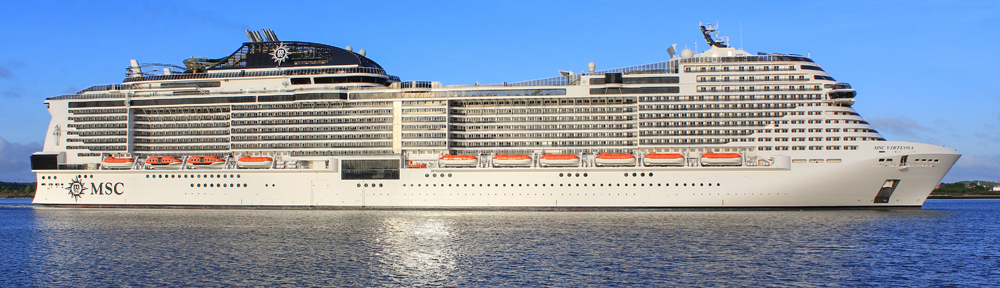
Ken Muskat, executive vice president of sales, public relations and guest services at MSC Cruises USA and chairman of CLIA’s Trade Relations Committee, reports that MSC Cruises continues to provide the most updated promotional tools on its agent website.
Within the marketing tools section is a social media tab offering ready-made tweets and Facebook updates based on the cruise line’s latest news and promotions.
Grow with social media marketing
Social media messaging should include a robust mix of unique calls to action that drive visitors to click on links to your website, where visitors can subscribe to your mailing list or find a number to call for more information.
Make sure you have a system to monitor and track leads from social media.
Even social media-savvy agents with an established presence on social media need to keep abreast of current trends to remain relevant.
One of the key findings in the 2015 Social Media Marketing Industry Report published by Social Media Examiner was that marketers still value Facebook and even though a large number of respondents use Facebook, 68% want to learn more about it and 62% plan to increase Facebook activities.
If you are one of the estimated 40 million small businesses using Facebook to promote your brand and to connect with customers, fighting for attention is a constant challenge.

A lot of people are looking for creative ways to generate leads without paying for Facebook ads.
In an article posted on Forbes.com, social marketing consultant and writer Jayson DeMers wrote “50 Free Ways to Increase Your Facebook Page Likes.”
Some of the highlights from Jason’s article include the following tips:
- Use images as a regular part of your Facebook content strategy.
- Engage with other pages in your niche through leaving “thoughtful comments in response to other people’s posts.”
- When leaving Facebook comments, post as your page rather than from your personal profile.
If your Facebook page has been on cruise control, go back and refresh the about section, and add relevant events and detailed descriptions to photos.
In Travel Weekly’s Focus on Social Media article, there was a great example of an agent’s Facebook page that can inspire you to revamp lackluster Facebook pages.
Jill LaBarre’s page, Jill’s Great Escapes, has incorporated all the elements that will increase the chance of getting leads. I am impressed by the “book now” call-to-action button that drives leads to her website as well as the use of custom tabs to get leads to “register to win a trip.” Jill also has leveraged the events tab to highlight her upcoming trips — three excellent examples of how to leverage Facebook.
Another Facebook feature that you might not know about is the ability to auto-schedule updates. This time-saver could be enormous help to agents who can set aside a few hours a week to schedule Facebook updates. Find out more at the Facebook Help Center.
Twitter is another social media platform that generates a lot of buzz. For travel sellers, Twitter is a good place to engage with suppliers, network with other agents and stay current on industry news.
There are ways to get leads on Twitter, but I would recommend getting comfortable with the platform before investing in Twitter ads.
I get that Twitter is not for everyone, but according to the Social Media Examiner survey, marketers indicated it as an area where survey responders planned to increase their use.
At a minimum, Twitter accounts should be established and a header image and description with a link to an agent’s website should be set up.
There are many ways to use Twitter. For example, Travel Weekly hosts a live Twitter chat every month about trending topics in travel. We use the #TWchats hashtag to promote and engage with industry insiders, including agents, suppliers and influencers.
I would suggest getting started and using the list feature to help create customized streams specific to your niche. For example, create a list of your preferred suppliers to quickly see their posts.
The advanced search feature enables users to create custom searches based on keywords and variables like location.
Best in show
These are my favorite tweets from June’s #TWchats about social media best practices within the travel industry:
Larry Pimentel admits to using social media to find “a unique luxe wellness lodge in #NewZealand called @SplitApple.” The CEO of Azamara Club Cruises added in his tweet, “Travelers loved the experience. So did I.”
Catherine Heeg: “I really like Pinterest as you can organize your photos and message boards and pins to clients.”
Seiche Wave: “A great social media campaign stimulates dialogue, attracts new followers and increases new visitors to all associated sites.”
Video
No conversation about social media marketing is complete without mention of video.
Whether an agent uses a smartphone, digital camera or expensive video recorders, we know that videos capture the attention of people on social media.
- Anyone can set up a YouTube channel, and a lot of suppliers will give you permission to upload their content onto your agency’s branded channel.
- Instagram has a video-sharing feature as well as Vine, which can be easily shared on Twitter.
- Facebook allows users to directly upload video. Pinterest allows users to “pin” videos, and your website should have a blog where you can easily embed videos to leverage content.

 Wetravel2u's Weblog