Inside the Construction of Royal Caribbean’s Icon of the Seas

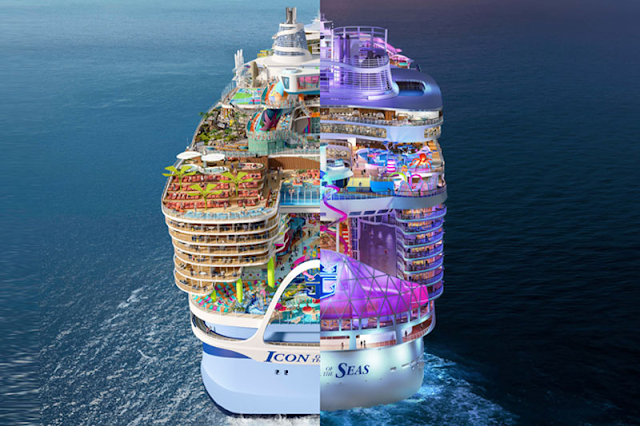
Northern Europe’s largest gantry crane, nicknamed “Baby” at the Meyer Turku shipyard, lifted a single block of cabins for Royal Caribbean’s new Icon of the Seas, weighing more than 900 tons recently, Royal Caribbean Group officials said Tuesday.

The nine-deck, roughly 60-meter-wide block was moved in one day. It was the largest ever lifted in Europe, as far as shipyard officials knew.

Meyer Turku CEO Tim Meyer said there were no nerves in the move. His team had done a detailed study of how the steel would flex while being lifted and knew exactly how it should be handled while being moved into place.

“It’s very easy,” Meyer deadpanned. “It’s like building a Lego ship.”

While hoisting the cross-section of cruise ship cabins was a feat of engineering, it was also an example of Icon’s aggressive build schedule. Putting the blocks together shoreside is much faster than doing so on the ship, so the larger the block moved, the less schedule burden.

In all, the Icon consisted of 201 blocks, with roughly one installed a day. Each block required about 100 meters of welding once in place.

Building the world’s largest cruise ship meant roughly 2,600 workers a day coming to the Turku, Finland shipyard, representing some 20 nationalities from countless subcontractors. The ship will debut in Miami next January.

The Turku shipyard opened in 1737 — 58 years before the Meyer family started building ships.

Royal Caribbean Group President and CEO Jason Liberty called the yard the “tip of the spear” of innovation.

In their seventh generation of ownership and 228th year in operation, the Meyer family remains both focused and humble.

Patriarch Bernard Meyer, CEO of Meyer Werft, declined to spend much time looking backwards.

“We have no time to be proud; we have work to do,” he said.

Icon of the Seas Generating ‘Exceptional Demand’

When the new Icon of the Seas debuts in 2024 for Royal Caribbean International, she will become the world’s biggest ship and is already breaking sales records.

“Despite being on sale for only five months, Icon is significantly more booked for her inaugural season at materially higher rates than any other Royal Caribbean ship launch,” said Jason Liberty, president and CEO of Royal Caribbean Group, speaking on the company’s first-quarter earnings call.

“The Icon will join the fleet later this year and debut in the Caribbean in January 2024, with itineraries including Perfect Day at CocoCay and its new expansion, Hideaway Beach.”

Michael Bayley, president and CEO of Royal Caribbean International, added: “Icon is literally the best-performing new product launch we’ve ever had in the history of our business, and we’re delighted with volume and rate, and that really is a full 2024 product … it’s really driving a huge amount of demand and a great rate.”

Following the Icon, the company has another Oasis-class ship coming in 2024, the Utopia of the Seas, plus two more Icon-class vessels, set to debut in 2025 and 2026, respectively.

Cruise occupancy levels and pricing are set to come under pressure

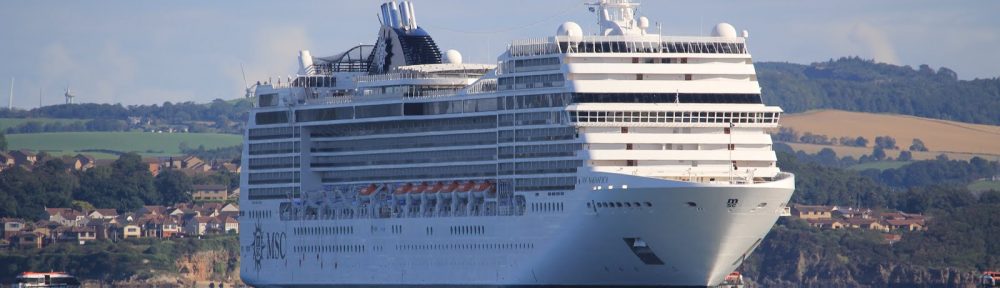
MSC Virtuosa Entering Southampton photo credit Spacejunkie2 (Flickr-Virtuosa Images)

Cruise occupancy levels and pricing are set to come under pressure in the coming years as supply outpaces demand, according to new data.

The prediction comes from Tourism Economics’ new Cruise Intelligence Platform (Cruise-IP), which found cruise lines will face “critical choices” in regional capacity deployment, with risks of over-supply in some markets.

Cruise operating capacity is on pace to exceed 2019 levels by 16% in 2024 and supply growth is anticipated to slow in 2025, but capacity should grow by roughly one-quarter in the medium term.


Recent booking activity indicates “robust” demand with a record pace of new bookings, Tourism Economics said, with pent-up demand for cruising along with substantial remaining household savings buoying demand.

“We have monitored, analysed and forecasted travel activity for more than 20 years,” said Adam Sacks, president of Tourism Economics.

“With the launch of Cruise-IP, we have deepened this coverage with the most detailed and comprehensive datasets available, covering the entire cruise ship fleet across more than 2,500 cruise destinations.”