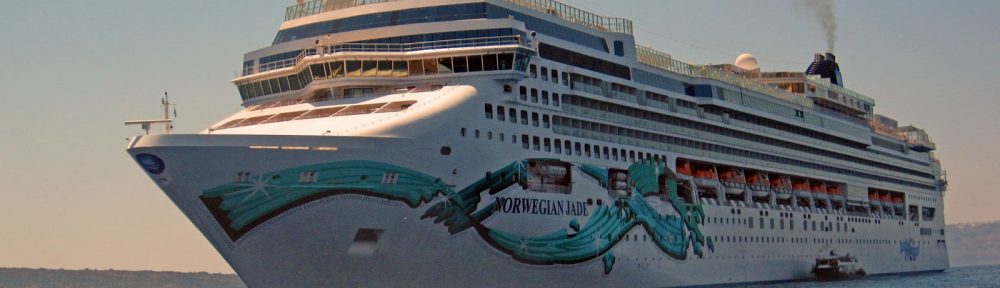

MSC Virtuosa arriving into Southampton photo credit Spacejunkie2 (Flickr)
The MSC Group and the MSC Foundation have organized an urgent response to support the population in the aftermath of the earthquake in Turkey and Syria.
The company is closely coordinating with the Turkish authorities, the Italian Foreign Ministry and the Vatican while one of its ferries, departed from the Port of Naples on February 16 heading towards the port of Iskenderun (Alexandretta).
“We feel a strong sense of obligation to act promptly in order to support the people most in need by all means. We are part of a global organization that can set in motion a large-scale operation by involving foundations and associations that we collaborate with all around the world,” said Daniela Picco, executive director of the MSC Foundation.
“As soon as the terrible earthquake in Türkiye and Syria struck, we immediately took action to collect funds, supplies and food, which we can deliver on our ships within a short period of time. This is where the valuable collaboration with the Francesca Rava Foundation comes in, and we thank you for immediately joining this initiative.
“The departure of MSC Aurelia from the port of Naples is an initial example of what we are doing, while we keep on working to provide associations and governments with what we can, so that by sea and by land some comfort can reach those who are presently living in dire situations and, in the future, for the rebuilding of cities and the environment. It is not the first time that the MSC Foundation and the MSC Group have been on the front lines of emergency relief operations: in 2022, we provided extraordinary funding worth millions of euros to offer aid to refugees from Ukraine and led eight emergency relief initiatives in nine countries, strengthening our global emergency capabilities,” added Picco.

The MSC Aurelia was loaded with basic necessities and first aid items that the MSC Group and the MSC Foundation have collected, together with the Rava Foundation.
The cargo onboard included 60 pallets of medical supplies, food, hygiene items, warm clothing and blankets, as well as toys and crayons for children. Additionally, 50 boxes of thermal shirts are being carried on behalf of the Vatican.
When it arrived, the MSC Aurelia served as emergency accommodation, providing those impacted by the earthquake with over 1,000 beds as well as a restaurant and cinema and video-game entertainment for children.
The MSC Foundation is also collaborating with the UN Refugee Agency to ship an additional 100 containers carrying first aid supplies including blankets, mattresses, sleeping bags, kitchen sets, jerry cans and lamps from Jordan via Haifa, the headquarters of the UN Refugee Agency’s warehouses. The items will reach Gaziantep and other cities that were hit the hardest by the earthquake.
 Wetravel2u's Weblog