United introduces new airflow on aircraft to tackle virus spread

United Airlines cancels all flights to mainland China - Chicago ...

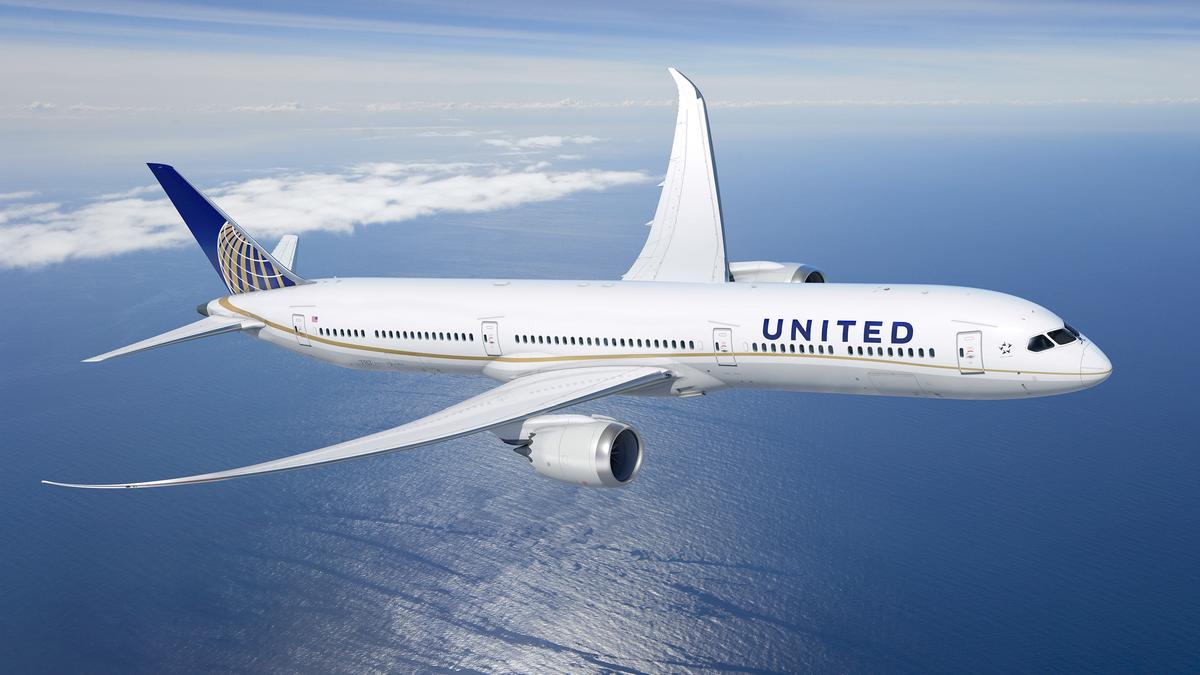
United Airlines will introduce new procedures from July 27 to maximise the volume of airflow through its aircraft filtration systems during boarding and disembarking.

The cabin airflow plan is part of the carrier’s plans to further reduce the spread of coronavirus.

The aircraft’s’ high-efficiency particulate air (HEPA) filtration systems, air conditioning and pressurisation systems recirculate the cabin air every two to three minutes.

This removes 99.97% of particles – including viruses and bacteria during ground and air operations.

United said this makes the air onboard a plane “significantly cleaner” than in restaurants, shops, schools or even some hospitals.

Scott Kirby, United’s chief executive, said: “We know the environment on an aircraft is safe and because the airflow is designed to minimise the transmission of disease, the earlier we maximise airflow over our HEPA filtration system, the better for our crew and our customers.

“The quality of the air, combined with a strict mask policy and regularly disinfected surfaces, are the building blocks towards preventing the spread of Covid-19 on an aeroplane.

“We expect that air travel is not likely to get back to normal until we’re closer to a widely administered vaccine – so we’re in this for the long haul.
United secures $9.5bn in a double financial deal

United Airlines buys flight school to increase training, hiring ...

United Airlines has secured $9.5 billion in funding by mortgaging its MileagePlus loyalty programme and securing a $4.5 billion US government-backed loan.

US carrier United announced the twin deals today saying they would extend the company’s liquidity to $17 billion by September.

The $5-billion deal to mortgage United’s MileagePlus programme was secured with investment banks Goldman Sachs, Barclays and Morgan Stanley which will provide a term loan facility – meaning a loan with a specified repayment schedule.

United gave few details other than that the deal should close by the end of July.

The carrier has also secured $4.5 billion in US federal funding under the Coronavirus Aid, Relief, and Economic Security (CARES) Act loans programme.

In a statement, United said: “The company believes it has sufficient slots, gates and routes collateral available to meet the collateral coverage that may be required for the full $4.5 billion available under the loan programme.

“This $9.5 billion of additional liquidity will provide even more flexibility as the airline navigates the most disruptive financial crisis in the history of aviation.”

United reported it had “spent the past several months aggressively and proactively cutting costs”.

This had reduced its average daily ‘cash burn’ to $40 million in the three months to June and would further reduce it to $30 million in the quarter to the end of September.

The cost-cutting measures have included executive pay cuts, a wage and recruitment freeze and unpaid leave.

Boeing warns of ice risks for 787 and 747-8 jets

Boeing warns of ice risks for 787 and 747-8 jets

By Kate Rice
Boeing has alerted airlines that 787 and 747-8 jets with General Electric engines should avoid thunderstorms that may contain ice crystals.

Aircraft should fly 50 nautical miles around such storms, Boeing advised.

Boeing issued the advisory after finding that ice crystal formation in some instances reduced the engine’s thrust.

United, Japan Airlines and Lufthansa are among the airlines that fly the planes covered in the advisory.