Royal Caribbean: U.S. Cruise Service Start By July Realistic

“We believe we are now seeing a clear way forward to safe cruising in the near future,” said Richard Fain, chairman and CEO of the Royal Caribbean Group, on Thursday’s business update call.

Citing the letter that the U.S. Centers for Disease Control and Prevention (CDC) released last night, modifying its requirements for the industry’s return to service, Fain said it represented a significant improvement in their dialogue with the CDC.

Added Michael Bayley, CEO and president of the Royal Caribbean International brand: “With what (CDC letter) we received last night July looks very realistic (for restarting cruises in North America).”

As for the Alaska season, Fain noted there are uncertainties and that service resumption may require a waiver from the Passenger Vessels Service Act as long as Canada will not allow ship calls. Alternatively, Canada could allow technical calls.

“Given the momentum, there is the reason for optimism,” he added.

“We have had a very constructive dialogue with the CDC and other government agencies over the past few weeks,” Fain continued. “Many elements of the CSO (Conditional Sail Order) were unrealistic. The letter was very encouraging with multiple corrections to the existing CSO, elements that were very challenging. Certainly, vaccinations were a major element of change.”

Fain also pointed out that the company’s brands in Asia and Europe have carried some 125,000 passengers since the shutdown with only 21 COVID-19 cases and that has been without the benefit of vaccinations.

“With cruise ships, we can control the environment and we have already demonstrated that we can do that,” Fain said. 

There are still some uncertainties, however, and Bayley noted that he hopes to see further clarifications in the next few days and weeks.

According to the CDC, ships can reportedly bypass the simulated test voyages it had required before and move to sailings with paying passengers if 98 per cent of the crew and 95 per cent of passengers are fully vaccinated. It will also respond to applications for simulated voyages within five days rather than 60 days as previously suggested.

Commented Bayley: “As soon as we have port plans lined up, we can now apply to the CDC for permission to sail. The process has improved considerably.”

The CDC also stated it will update its testing and quarantine requirements to align with its guidance for fully vaccinated people.

The CDC letter comes as pressure has been mounting on the agency through public opinion, legislative initiatives and lawsuits.

Canada Effectively Cancels Its Cruise Season, Expanding Ban Through October

Port of Halifax
Halifax in Nova Scotia.

Citing the COVID-19 pandemic, Canadian authorities have effectively cancelled the rest of the 2020 cruise season in Canadian waters by banning any ships with overnight accommodations allowed to carry more than 100 persons from operating in Canadian waters until October 31, 2020.

The order came down via the Minister of Transport, the Honourable Marc Garneau.

The news cancels the Alaska season except for U.S.-flagged vessels and will put a stop to the late summer and early autumn fall foliage sailings in Canada/New England. It will also impact expedition operators in the Arctic.

“Our Government is committed to protecting Canadians, particularly during these challenging times. It is for that reason I am announcing updated measures for cruise ships and other passenger vessels in Canada, which includes prohibiting larger cruise ships from operating in Canadian waters until October 31, 2020. Our Government continues to work with other levels of government, transportation industry stakeholders, and Indigenous peoples to re-examine measures and to ensure Canada’s transportation system remains safe and secure during this time. We are all in this together,” said Garneau.

As of July 1, 2020, all other passenger vessels must follow provincial, territorial, local and regional health authority requirements for timelines and processes to resume operations, the government said.

Passenger vessels with the capacity to carry more than 12 persons continue to be prohibited from entering Arctic coastal waters (including Nunatsiavut, Nunavik and the Labrador Coast) until October 31, 2020.

Beginning July 1, 2020, passenger vessels will be allowed to operate in inland rivers and lakes in the Northwest Territories, Nunavut and Yukon.

Bliss to Break Record in Strong San Francisco Year

Image result for norwegian bliss

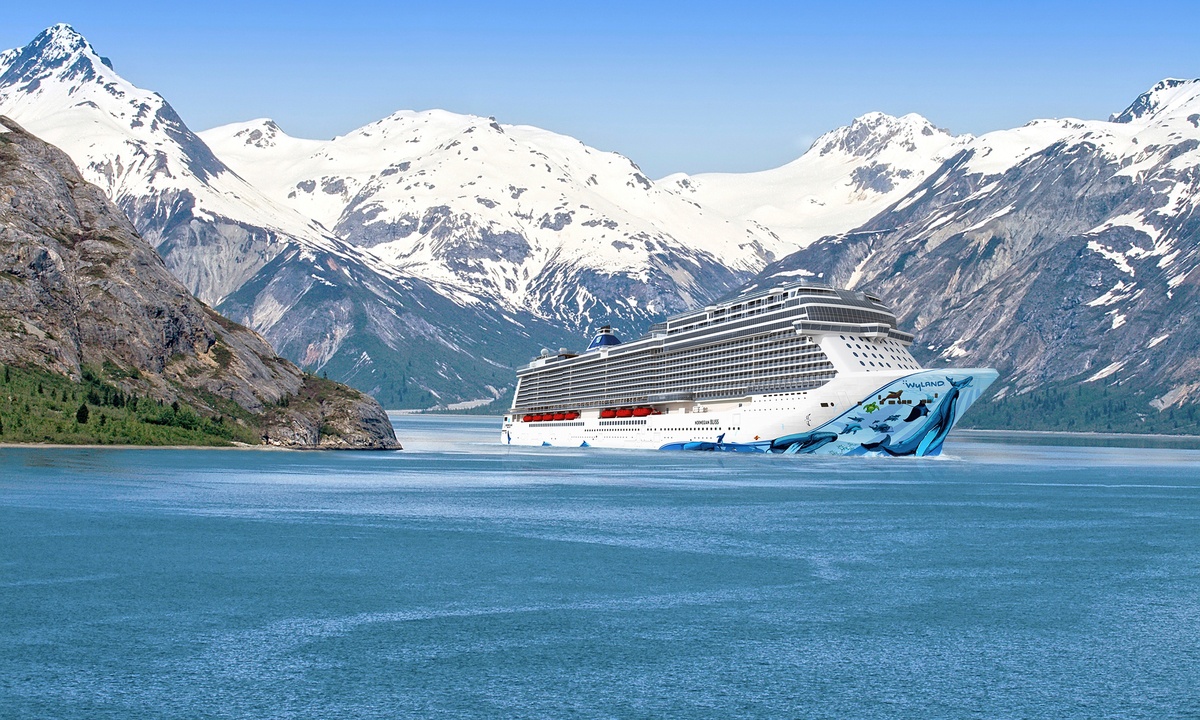
There will be three first-time visits to the Port of San Francisco in 2018, highlighted by the new Norwegian Bliss and two ultra-luxury ships: the Silver Explorer and Ponant’s Le Soleal.

The Explorer will dock in May, while the Bliss will tie up on Oct. 3, on the way back from her debut Alaska season, to be followed by the Le Soleal a day later.

The Bliss will be the biggest ship to ever call on the city by the bay.

Meanwhile, the Grand Princess will continue to sail from the port year-round, offering a mix of Alaska, California, Mexican Riviera and Hawaii itineraries starting at seven days. The 1998-built ship will offer 35 cruises from San Francisco this year.

The port was expecting a slight increase in traffic for 2017, with 300,000 passengers, up from 286,352 the year prior. A total of 82 calls were projected, while 76 calls are on the books for 2018.