Royal Caribbean latest to warn of coronavirus profit impact

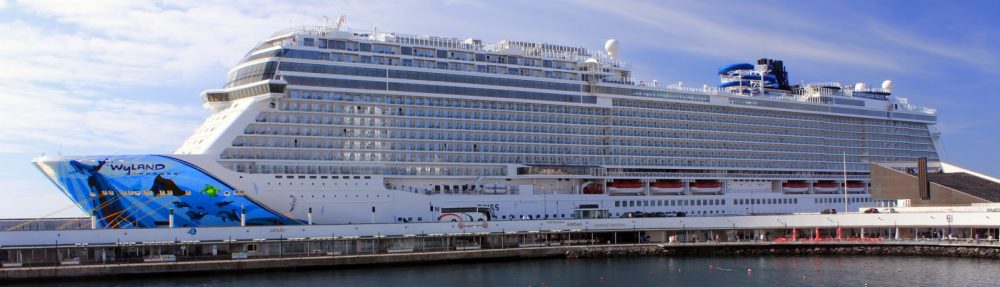
Image result for royal caribbean ships in china

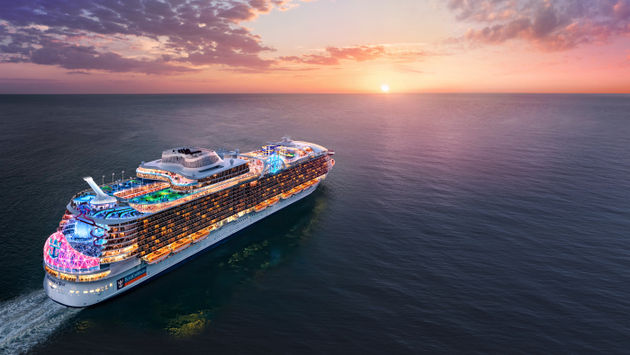
The wonder of the Seas due for China deployment 2020

Royal Caribbean Cruises has joined larger rival Carnival Corporation in warning of the potential “material” financial impact of the ongoing coronavirus outbreak.

The world’s second-largest cruise company has now cancelled a total of 18 sailings in south-east Asia and also modified several itineraries as a result of travel restrictions in place and “related circumstances.”

The number of cancelled cruises has risen from the eight out of China reported by the company last week.

RCC also reported “softer bookings” across the broader business, not just Asia.

It is in regular communications with global health authorities after China and other countries moved “aggressively” to contain the spread of the virus.

Like other cruise firms, the owner of brands such as Royal Caribbean International, Celebrity Cruises, Silversea and Azamara, has implemented measures to protect passengers and crew.

These include denying boarding to those that have travelled from, to or through mainland China or Hong Kong in the past 15 days and performing mandatory specialised health screenings on at-risk passengers and crew.

The company “is assessing the developments constantly and will update these measures as needed”.

RCC added: “Taken together, these measures have an estimated impact on the company’s financial performance for 2020 of approximately $0.65 per share.

“While not currently planned, if the company was to cancel all of its remaining sailings in Asia through the end of April, it would impact 2020 financial performance by an additional $0.55 per share.

“There are still too many variables and uncertainties to make a reasonable forecast for 2020.

“While the early impact due to concerns about the coronavirus is mainly related to Asia, recent bookings for our broader business have also been softer.

“If the travel restrictions and concerns over the outbreak continue for an extended period of time, they could materially impact the company’s overall financial performance.”

Chairman and chief executive Richard Fain said: “It is important that every organisation acts responsibly, and we have already taken aggressive steps to minimise risk through boarding restrictions and itinerary changes.

“Our shipboard and shoreside teams have been working tirelessly through these circumstances and I want to thank them for all of their extraordinary efforts. We appreciate our responsibility to our guests and to each other, and our focus on public health is unwavering.”

Carnival Corporation, owner of quarantined ship Diamond Princess in Japan after an outbreak of coronavirus on board, was the first to warn of a “material impact” on its financial results.

Cruise Lines Eye 40-Year Service Life

Triple Cruise Call in Nassau

“If we can have our assets for up to 40 years we will,” said one senior cruise line executive at a recent industry event.

Cruise ships have traditionally been built and designed with a 30-year service life for their first owner, before being sold into secondary or non-competing markets.


That service life is now extending with large-scale drydock projects making existing tonnage competitive, with over 100 ships set to drydock this year, according to the 2020 Drydocking and Refurbishment Report by Cruise Industry News.


Better yet, with some new ships paying for themselves in as little as five years or less, an extended service window continues the earnings potential.

Classic ships can also serve new or untapped markets, while new ships compete against other new ships in the big-market homeports in North America, Asia or Europe.


When Cuba opened temporarily for U.S. travellers, it was the older tonnage from the mainstream cruise lines that we’re able to serve Havana, where the port offers limited infrastructure and can’t handle modern mega-ships.


But it comes down to the bottom line, according to previous remarks made by Carnival Corporation President and CEO Arnold Donald on the company’s 2018 year-end and fourth-quarter earnings call.

“We’ll continue with the ship in the fleet if it’s relevant to the guests and its earning is key if it’s not then the ship will be gone,” he said.

Carnival Corp. 2020 Outlook

Carnival Corporation provided adjusted earnings guidance for 2020 on today’s Q4 and year-end earnings call from $4.30 to $4.60 per share, compared to 2019 adjusted earnings of $4.40 per share.

Carnival President and CEO Arnold Donald said that he expects cruise revenues to be up approximately 5 per cent on capacity growth year-over-year of 6.6 per cent.

At this point, he said, the company is entering 2020 with a record booked occupancy position but at slightly lower prices.

Donald noted the headwinds Carnival has faced this year, some of which will continue into 2020, including the impact of Cuba being off-limits to cruise calls, events in the Arabian Gulf, Hurricane Dorian, unscheduled drydocks and ship delays, compounded by a decline in market demand in Continental Europe, particularly Germany, while Southern Europe is also challenging.

Noting these as “unusual events,” Donald said they had had a $0.23 negative impact on 2019 earnings.

In order to improve the market situation and accelerate demand growth in Southern Europe, Donald said that two older ships are being removed from the Costa fleet in 2020, following the recent introduction of the new Costa Smeralda. He said the new ship is much more efficient than the ships being removed.

In the UK, Carnival has been able to grow revenue yield despite Brexit, and Donald noted that P&O Cruises’ New Iona is looking at a significant premium over other ships on comparable itineraries.

In North America, the Caribbean is strong and so is Alaska. However, Alaska is seeing what he called an over-concentration of capacity and will need to absorb another industrywide capacity increase of 10 per cent in 2020, on top of a 15 per cent capacity increase in 2019.

As for China, Donald said Carnival will focus on its new joint venture cruise line. Meanwhile, he said, Costa had a good year in China in 2019 and looks forward to another good year in 2020, with more direct business, but is also happy with its charter model.

Carnival will essentially have six new ships in six different markets for the full year in 2020, starting with the Carnival Panorama, which just entered service on the West Coast, the Costa Smeralda in Southern Europe; P&O’s Iona in the UK; the Enchanted Princess in Europe and North America; the Mardi Gras in Florida; and the Costa Firenze in China.

According to Donald, Carnival is also accelerating marketing and media spend in all of its key markets to drive demand in 2020.