Booming Cruise Industry Reports Better-Than-Expected Passenger Numbers in 2015

Booming Cruise Industry Reports Better-Than-Expected Passenger Numbers in 2015
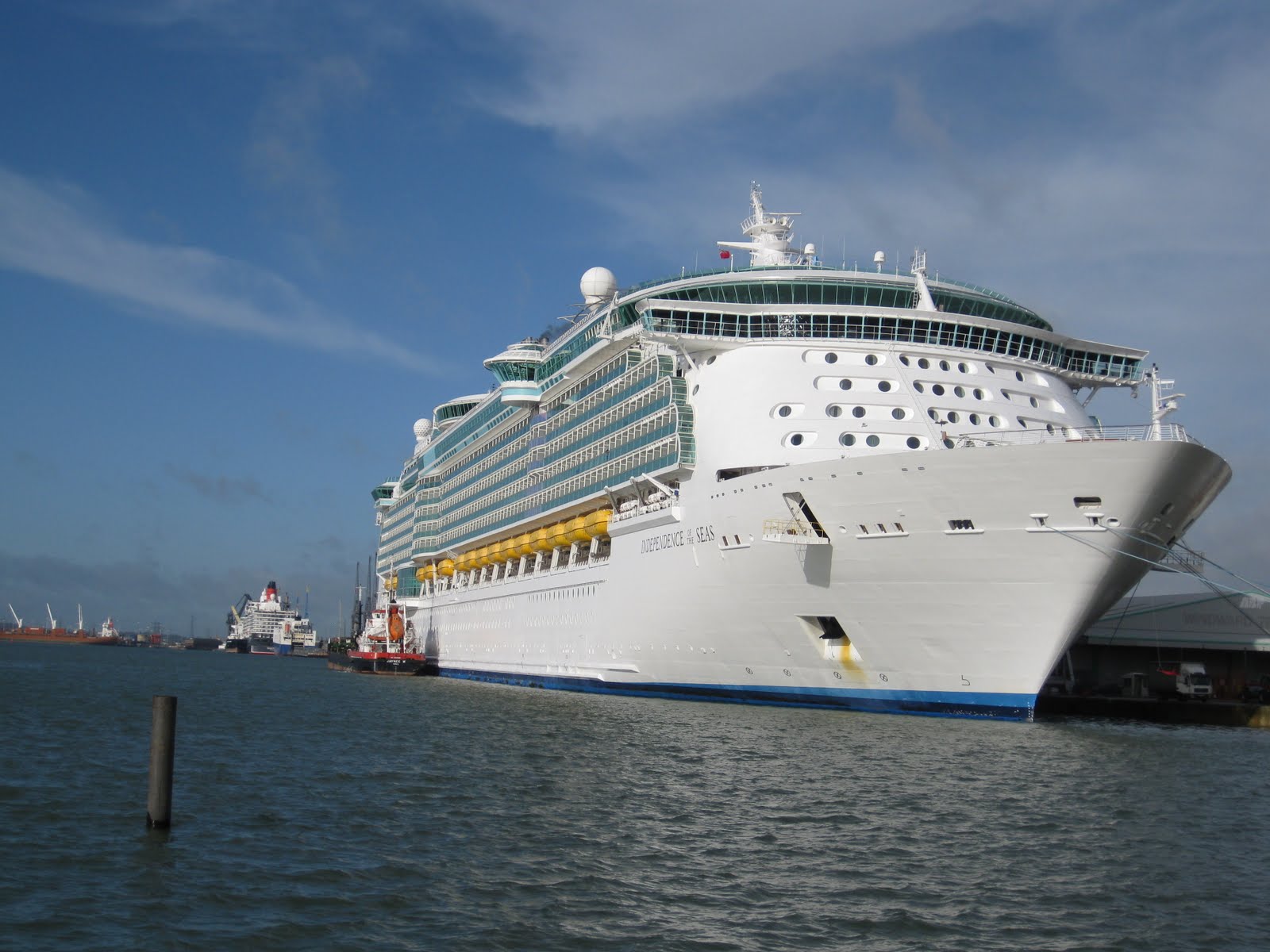
Independence of the Seas in Southampton, photo by Dave Jones

The Cruise Lines International Association has bumped up its passenger predictions for 2016 after numbers showed that the industry surpassed its 2015 passenger projections.

According to CLIA, the industry reported a total of 23.2 million passengers on ocean cruises globally in 2015, up from a projection of 23 million, and a 4-percent increase over 2014. As a result of steady year-over-year increases, CLIA has modified 2016 expectations and is now predicting 24.2 million travelers will set sail on ocean cruises around the world.

A statement from CLIA says the numbers show that the industry is stronger than ever, coming during a period where pretty much every other maritime sector is struggling.

“The success in 2015 demonstrates the cruise industry’s continued strength in the overall travel sector,” said Cindy D’Aoust, president and CEO, CLIA. “This is a direct result of the amazing work and commitment of our community of Cruise Lines, Executive Partners and Travel Agencies and Agents. Plus, with the highest satisfaction rates among all leisure travel segments, it reflects that a cruise vacation is the vacation of choice for travelers around the world.”

CLIA says that Much of the industry’s growth can be attributed to emerging regions of the world, particularly in Asia and Australia.

In 2015, Asia experienced the most growth year over year in ocean cruise passengers with another impressive 24% increase from 2014 to 2015, with a total of more than 2 million ocean cruise passengers in 2015. While Asia continues to see record growth in the cruise industry, Australia is not far behind. The region, which includes Australia, New Zealand and the Pacific, experienced an incredible 14% increase in ocean cruise passengers from 2014 to 2015. Last year, a total of more than 1.1 million ocean cruise travelers originated in Australia.

“When looking at the travel industry, cruise travel has astonishing long-term growth potential since it represents only two percent of the total leisure travel market, has the highest satisfaction rates among global travelers and is growing in popularity,” CLIA said in a statement. “In fact, according to the United Nations World Tourism Organization, in the decade between 2004 and 2014, global cruise vacations have grown faster in popularity than land-based vacations by a 20-percent margin.”

Of course this growth has not gone unnoticed by cruise lines, with new ship orders from just about every major cruise company such as Carnival and Royal Caribbean. In 2016, a total of 27 new ocean, river, and specialty cruise ships are scheduled for delivery, according to CLIA figures.

Clia figures confirm global growth but UK decline

A previously-announced slump in UK cruise passengers last year has been re-confirmed in newly-published figures for the global industry.

The statistics for 2014 released by Clia show global demand for cruise holidays growing by 3.4% year-on-year to reach 22.04 million ocean cruise passengers.

But UK numbers dropped to 1.6 million from 1.7 million a year earlier, largely due to reduced cruise ship capacity away from UK ports and other popular destinations such as the Mediterranean

The cruise industry trade association was quick to point out that the UK will have returned to growth in a “landmark year” in 2015 thanks to the introduction of ships including P&O Cruises’ Britannia, Royal Caribbean International’s Anthem of the Seas, Princess Cruises’ Royal Princess and Cruise & Maritime Voyages’ Magellan.

“Longer-term trends demonstrate that the UK and Ireland market remains resilient; the annual average increase in passenger numbers since the start of the economic downturn in 2008 has been 3.3% and, over the past quarter century, there has been ten-fold growth,” a Clia spokesman said.

“The UK and Ireland continues to have one of Europe’s highest rates of market penetration for cruise holidays.”

The UK and Germany accounted for 15% of global cruise passengers or 3.38 million in 2014.

The Clia global figures issued from the US reveal total contributions from the cruise industry rose from $117 billion in 2013 to $119.9 billion last year.

This includes supporting 939,232 full-time equivalent employees earning $39.3 billion in income. Direct expenditures generated by cruise lines, passengers and crew totalled $55.8 billion.

North America remains the largest source market, accounting for 55% or 12.2 million cruise passengers in 2014, followed by Europe which claimed 29% or 6.4 million passengers.

Other regions of the world, including Australia, China, Singapore, Japan and South America, accounted for the remaining 16% or 3.5 million passengers.

Cruise tourism in Asia is growing at double-digit rates, both in capacity and as a passenger source market, according to the study.

The number of ships deployed in the region between 2013 and 2015 grew at a 10% compound annual growth rate, and the volume of cruises and voyages within and through Asia increased 11%. Passenger capacity in Asia increased 20%, with Chinas being the main driver of growth.

Clia acting chief executive, Cindy D’Aoust, said: “The cruise industry is truly a global and dynamic one.

“We’ve enjoyed progressive growth over the last 30 years, driven initially by demand from North America, which expanded to Europe, Australia and now Asia. As a result, the cruise industry impacts the global economy generating jobs, income and business growth in all regions of the world.

“The potential for new cruise passenger growth is huge,” she added.

“Apart from North America and Europe, other regions of the world account for nearly 85% of the world’s population, yet represent only 16% of cruisers. That reflects a tremendous opportunity for the cruise industry.

“Asia is a prime example of the cruise industry’s growth opportunity. Our industry is bringing more cruise ship visits to Asia and the volume of cruise passengers sourced from Asia for cruise tourism worldwide nearly doubled since 2012.”

Don’t shake hands with the captain!

Cruise ships said to have banned greeting because of fears contagious stomach viruses could be passed on

  • Cruise ship captains have been warned against shaking hands on deck
  • It is feared that shaking hands can pass on the infectious Norovirus
  • Crystal Cruises admitted the new rule was designed to prevent disease
  • The company said two of their boats were hit by Norovirus since 2008

Dining at the captain’s table is, for the lucky few, perhaps the glamorous highlight of a luxury cruise.

But having donned your dickie bow for the big night, don’t be surprised if he doesn’t stretch out a gold-braided arm in greeting.

For some cruise ships have banned passengers from shaking hands with the captain amid fears over highly contagious stomach viruses being passed on.

On-board outbreaks of norovirus have turned many a cruise into a nightmare for holidaymakers, leaving them suffering chronic vomiting and diarrhoea.

The bid to prevent it being passed to captains at dinners, cocktail parties and receptions was noted by Margaret Thatcher’s official biographer Charles Moore when he went on his first cruise recently.

Writing in The Spectator magazine about his time on board the £225 million, 1,070-passenger Crystal Serenity on a 12 day, £3,700 per person cruise from Lisbon to London via the west coast of France, he said: ‘Every effort was made to look after us courteously. Modern standards, however, put things under some strain. ‘As our voyage neared its end, the daily ship newspaper, Reflections, delivered to the door of our cabin (‘stateroom’) said: ‘All guests are cordially invited to join Captain Birger J Vorland and Crystal Society Hostess Isabell Wagner in the Palm Court at 7.45pm.

‘While the captain is pleased to meet you, he and the other staff receiving you refrain from shaking hands in order to provide the most effective preventative sanitary measures’.’

Yesterday a Crystal Cruises spokesman said: ‘It used to be, back in the day, that the captain would shake everyone’s hand. But because norovirus is spread so easily it’s just standard now that when the captains are greeting lots of people they don’t shake hands.

‘They are not being rude, it’s a preventative measure. It’s been the case on our two ships since at least 2008.’

Whether or not passengers can shake hands with the captain is down to individual cruise lines, say the Cruise Line International Association (CLIA).

A Cunard spokesman said: ‘While I was on Queen Mary 2 last week the captain shook hands with passengers attending the many cocktail parties that were held.’

A CLIA spokesman insisted norovirus outbreaks on cruise ships are uncommon, affecting ‘just 1 out of every 12,000 cruise passengers’.

He said: ‘You are 750 times more likely to get norovirus on land than on a cruise ship.’

Standard procedures for CLIA cruise lines to follow when a guest on board is suspected of contracting the gastrointestinal illness include regularly sanitizing door handles, railings and elevator buttons, providing hand sanitizers to passengers during their cruise, and sending public health specialists as well as additional medical personnel to ships as required.

The CLIA spokesman said: ‘Norovirus can remain viable on hands for hours thereby giving hands the potential to spread the infection both directly and indirectly. ‘Hand washing is therefore the single most important procedure for preventing the spread of infection.’