
CLIA anticipates talks with CDC on return to the sea


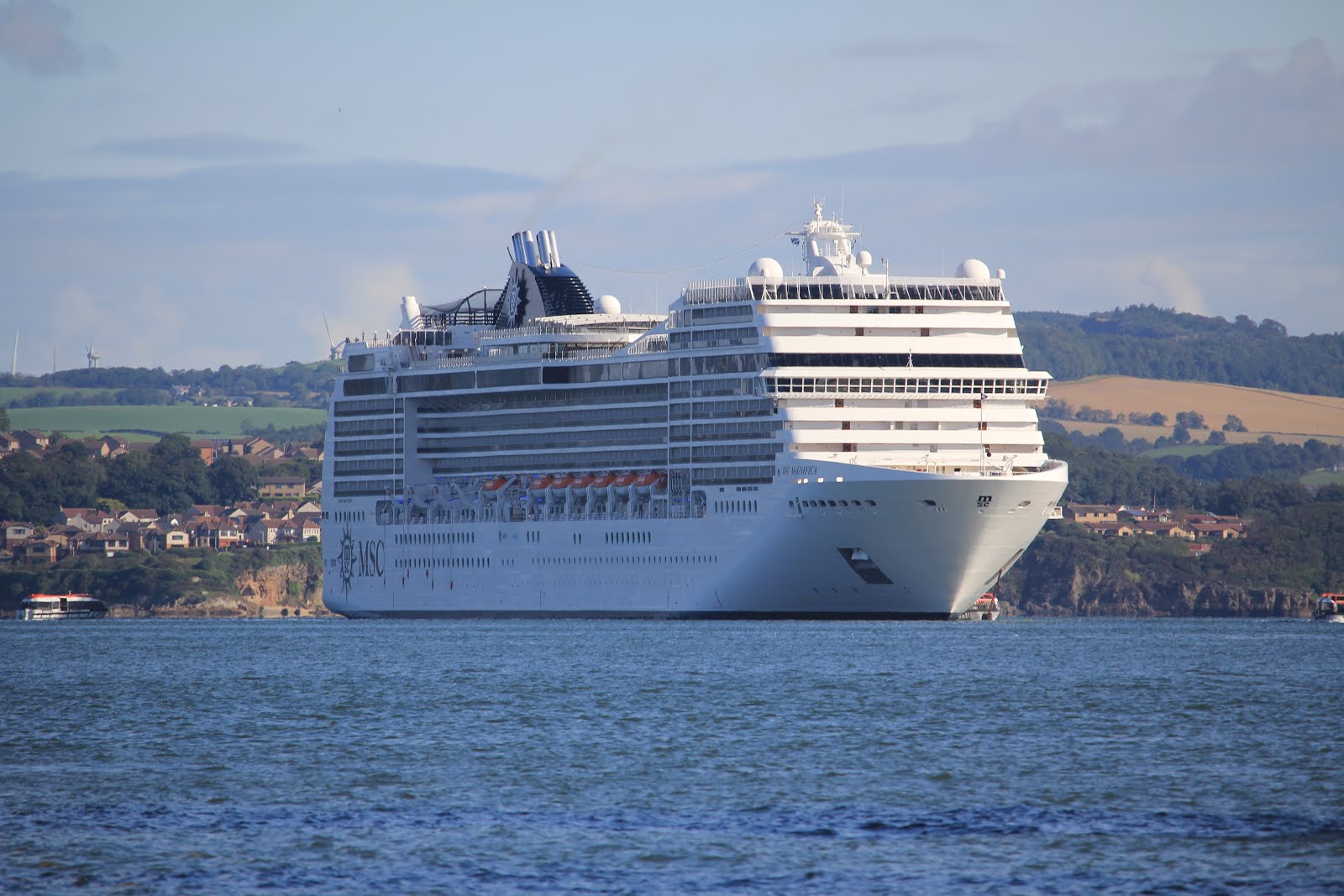
MSC Magnifica at anchor in Queensferry Edinburgh

Days after the Centers for Disease Control and Prevention (CDC) extended the No Sail Order for cruise ships from U.S. ports through September, CLIA expressed confidence that it was close to starting a meaningful dialogue with the agency about resuming sailings.

CLIA global chair Adam Goldstein said that so far, its engagement with the CDC has focused mostly on the health and repatriation of crew members who were still aboard ships in U.S. waters.

The CDC had not thus far engaged meaningfully with CLIA and the industry about resuming service, Goldstein said, but he was encouraged that would begin, citing commentary in the No Sail Order extension that indicated “a willingness for information exchange and development of approaches beyond what we had seen from them before.”

CLIA was also encouraged that its voluntary suspension through Sept. 15 closely aligned with the CDC’s No Sail Order extension to Sept. 30.

“The fact that we’re beginning to converge makes us more optimistic that the kind of engagement we’re looking for with the CDC as our regulator will begin in the near future and will allow their experts, our experts, our operations personnel, our leaders and their leaders to have the kind of dialogue that will result in the safe and successful resumption of service,” Goldstein said.

clia_logo_secondary_horizontal_cruisingblue – CLIA Asia

According to CLIA, being involved in such high-level talks with regulators in Europe has helped enable the resumption of limited cruise operations in Germany and Norway.

“The EU has engaged with us fairly intensively through multiple rounds of discussion to work toward an EU guidance permitting national regulators to adopt appropriate regulations, which, in combination with our protocols, we believe is what put Germany and Norway in a condition to restart under the limited conditions,” Goldstein said.

CLIA believes more European countries in the near term may also begin limited cruise operations.

“This is a reflection of one of the expectations we’ve had for a couple months now — that cruising would restart in kind of a sequential manner,” Goldstein said.

CLIA’s primary focus is still on its members’ primary source market, North America, and most popular destinations: the Caribbean, Alaska, Bermuda and Mexico. Goldstein said that CLIA and the Florida-Caribbean Cruise Association are in dialogue with destinations around North America “to work toward alignment” on how they can confidently open up to cruise ship visits.

Outbreak of Lung Injury Associated with the Use of E-Cigarette, or ...

“In order for the North American cruise market to regenerate, two things need to be true: The cruise industry needs approval from the CDC to resume operations in and out of the U.S., and the ports of call need to accept the ships,” Goldstein said. “This critical work will take time, but it is in everyone’s interest to come to a mutually agreeable approach.”

In what seemed to be a response to the CDC’s citing a lack of consensus among cruise lines and the need for additional industry-led efforts regarding safely resuming passenger operations, Goldstein said that over the next weeks and months, CLIA expects to emerge with one or more policies that members will eventually sign onto in response to the pandemic.

“Our goal remains to emerge with a unified approach policy-wise across the associations that all member lines will sign up for,” he said. “I can’t tell you when that will occur or the steps that will get us there.”
CDC extends No Sail Order for the U.S. cruising through Sept. 30

Coronavirus hospital data will now be sent to Trump administration ...

By Johanna Jainchill

The Centers for Disease Control and Prevention (CDC) extended the No Sail Order for cruise ships from U.S. ports through Sept. 30.

The previous No Sail Order was set to expire on July 24. The extension can be cut short only if the secretary of Health and Human Services declares that Covid-19 is no longer a public health emergency or the CDC director rescinds or modifies the order.

CLIA member lines had already decided last month to voluntarily suspend operations until at least Sept. 15, saying that it was “increasingly clear that more time will be needed to resolve barriers to a resumption in the United States.”

The CDC reported July 16 that from March 1 to July 10, there were 99 outbreaks on 123 cruise ships, with a total of 2,973 cases of Covid-19 or Covid-like illness on cruise ships and 34 deaths. The CDC said that 80% of ships within U.S. jurisdiction were affected by Covid-19 during this time frame and that nine ships have ongoing Covid-19 outbreaks.

“The challenges described in this document highlight the need for further action prior to cruise ships’ resuming passenger operations,” the CDC said, adding that it supports CLIA’s decision to voluntarily extend the suspension of operations. “However, because not all cruise ship operators subject to the No Sail Order are members of CLIA or have made similar commitments, CDC is extending its No Sail Order to ensure that passenger operations do not resume prematurely.”

The CDC also reported that as of July 10 it has “expended an estimated 38,000 person-hours on the cruise ship Covid-19 response since March 14” and that “CDC continues to have regular conversations by phone and email with cruise lines, often daily.”

The order applies to the operation of vessels with the capacity to carry 250 individuals or more, which excludes many small-ship ocean and river operators, some of which plan to resume service this summer.

In response to the order, CLIA said that the association and its member lines “remain aligned with the CDC in our commitment to public health and safety. We are also pleased that the CDC has announced its intention to issue a request for information about the industry’s resumption of passenger operations. As we continue to work towards the development of enhanced protocols to support the safe resumption of cruise operations around the world, we look forward to a timely and productive dialogue with the CDC to determine measures that will be appropriate for ocean-going cruise operations to resume in the United States when the time is right.”

The industry is prepping for a comeback. Where is the CDC?

Cruise industry taps leading health experts for enhanced Covid-19 ...

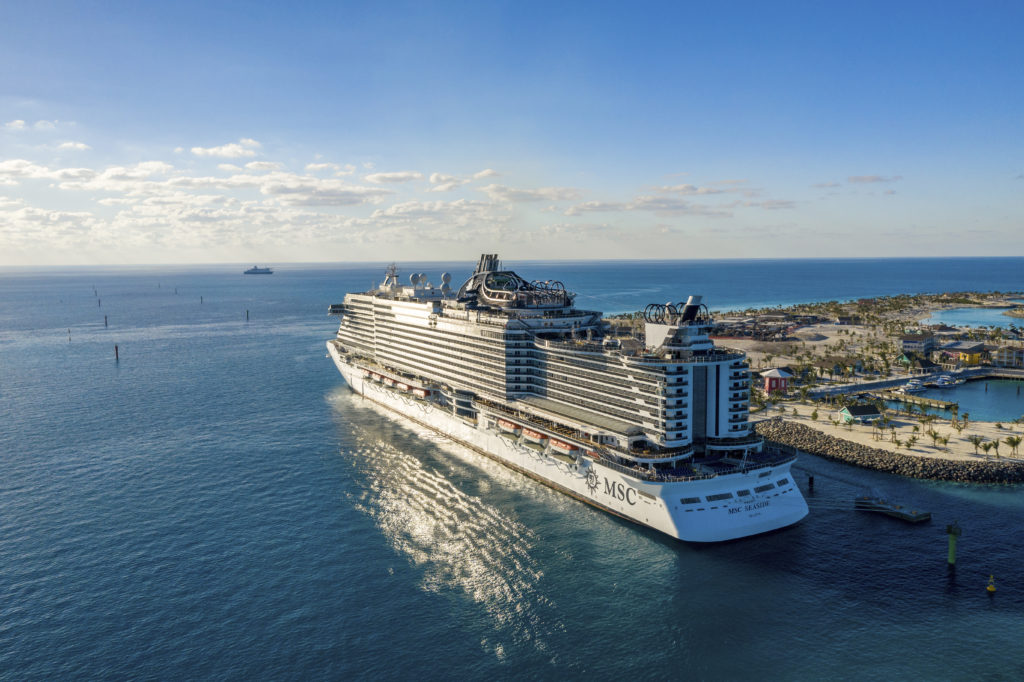
MSC Cruise has put together a Blue ribbonCovid group to put in protocols for safety.

By Johanna Jainchill

The past week has seen major movement in the shaping of protocols around the resumption of cruising. Last week, the European Union released guidelines for the resumption of cruising. Yesterday, Royal Caribbean Group and Norwegian Cruise Line Holdings Ltd. revealed that they had assembled a panel to develop health and safety protocols for the industry to resume operations. MSC Cruises has put together a Blue Ribbon Covid Expert Group that will advise it on sanitation and health protocols.

What’s missing from all of these advancements is any word from the U.S. Centers for Disease Control and Prevention (CDC), which will ultimately determine when large cruise ships can resume sailing from U.S. ports. The agency has said nothing about the cruise industry since updating its No Sail Order on April 9 to expire on July 24.

The cruise industry has not publicly said that the CDC is being uncooperative, but in a conversation with Travel Weekly last month, CLIA CEO Kelly Craighead praised Europe for enabling the industry to “participate in dialogue about thoughtful resumption protocols” but said that with the CDC it was “having some challenges with having that kind of engagement and dialogue with them.”

CLIA said it had been actively engaged in the development of the guidance published last week by the EU.

UBS analyst Robin Farley said in a note to investors in June that according to her sources, the reason CLIA announced a voluntary suspension of cruises through Sept. 15 is “likely so that [the] CDC would not have to extend its No Sail Order while negotiations continue.”

“It sounds like there needs to be an agreement with the CDC in place about 30 days before ships can restart,” Farley said.

However, Farley also said that according to Royal Caribbean Group management, the company “is in constant communication with the CDC in a constructive dialogue, and at this point, they are going back and forth with iterations of an agreement.”  And one of the co-chairs of the Royal/Norwegian panel, Mike Leavitt, a three-term governor of Utah and former secretary of the U.S. Department of Health and Human Services, said that the CDC was “very pleased to know the panel was being proposed. We described the membership and told them how we were going to work and we pledged transparency and they received it warmly.”

But publicly, at least, the CDC has been quiet. And several industry stakeholders have privately said the CDC is being unresponsive and uncooperative with the industry. The CDC did not respond to outreach from a Travel Weekly reporter.

It has been suggested that the CDC has been hamstrung by the Trump administration, such as in a scathing New York Times report in June that detailed the CDC’s failures overall in its response to the Covid-19 pandemic. In one example of its shortcomings, the article cited the CDC’s No Sail order and reported that the CDC wanted the order to be indefinite, but that the White House intervened, and so the agency replaced it with the order the ends in July.

It’s not the only article on the agency’s failures: the Washington Post this week reported that the CDC’s mishandling of the coronavirus is similar to the mistakes it made with the Zika outbreak in 2016.

CLIA and the cruise industry may not want to rock the boat and cause any further delay, but given the fact that so many travel advisors depend on the ability to relaunch operations in the world’s No. 1 cruise market, ASTA CEO Zane Kerby might have spoken for the industry at large when he called the CDC’s communications about travel “uneven at best.” In a letter to its director, Robert Redfield, on June 9, he said that prioritizing of the restart of the cruise industry is one of four main goals the CDC should tackle.

“In the absence of clear communication, the entire population remains essentially in the dark, left to rely on a patchwork of regional, state and local pronouncements to inform their decision-making with respect to travel,” Kerby wrote. “Airlines, hoteliers, cruise lines, tour operators, car rental companies, insurance providers and others are similarly left to their own devices as to when to restart operations in the face of an unprecedented global pandemic.”