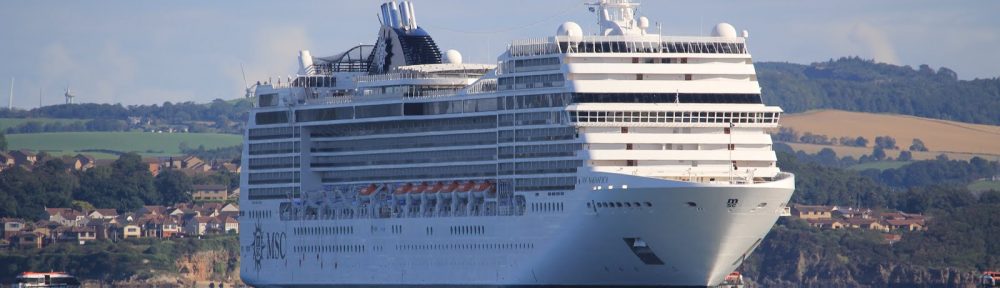
Work starts to refloat Costa Concordia

Work starts to refloat Costa ConcordiaSalvage workers today started attempting to refloat the Costa Concordia more than two years after it sank off the Italian island of Giglio.

Divers and engineers will oversee the operation to raise the 114,500-tonne ship, which may still contain the body of one of the 32 people who died in the disaster.

The ship’s owner, Costa, hopes to finally raise the rusting vessel from the sea-bed in a week-long operation before towing it away to be scrapped in Genoa.

Engineers plan to raise the vessel from the artificial platform where it has rested since it was righted in another large-scale operation last September, the Times reported.

Nick Sloane, the South African salvage master in charge of the operation, was reported as saying this morning: “The risks are that the ship could bend as it is raised, or the chains underneath it could snap.

“There will be 42 people on board during the first manoeuvre. If disaster strikes we will evacuate through emergency escapes on the bow and stern.”

Once the ship is successfully raised off the platform, air will slowly be pumped into 30 tanks or “sponsons” attached to both sides of the 290-metre Concordia to expel the water inside and raise the ship.

The ship’s captain, Francesco Schettino, is on trial for manslaughter, causing a shipwreck, and abandoning the vessel before all passengers had evacuated.

Russel Rebello, an Indian waiter, is still missing and the refloating will include a new search of the ship as it is raised that may finally recover his body.

Costa Concordia to be refloated in two weeks

Costa Concordia to be refloated in two weeksThe wreck of the Costa Concordia is due to be refloated in the next two weeks in the latest stage of the most expensive ship recovery operation in history.

The salvage could involve a semi-submersible boat effectively carrying the ship from its resting place off the Italian island of Giglio to Genoa to be dismantled.

Costs to insurers have spiralled to almost £1.2 billion because wrecks are usually cut into pieces and carried away. But Italian authorities have decided that such a move would risk an environmentally sensitive stretch of coastline so the ship is being removed in one piece.

Captain Rahul Kanna, a ship insurance specialist at insurer Allianz told the Mail in Sunday: “The primary reason for the cost is the method of removal. It sets a very dangerous precedent.”

Costa Concordia hit rocks in January 2012 killing 32 people.

The ship was turned upright last September after salvage contractors reinforced the seabed beneath it.

Modern shipping is creating the possibility for much bigger losses as ships grow in size and start to use remote Arctic shipping lanes, insurers are warning.

“Any losses in the Arctic would be a logistic nightmare to arrange rescue and salvage,” Kenna was reported as saying.

Norovirus outbreaks said to hurt cruise industry’s image

By Tom Stieghorst

Cruise ship deckOutbreaks of norovirus early this year on several cruise ships, including Explorer of the Seas, led to a decline in the trust in cruising and intent to purchase a cruise, according to a Harris poll.

The consumer polling company released an update of its research last year that showed a decline in the industry’s image after the widely publicized Carnival Triumph fire.

Harris said polling done Feb. 10-14 found that perceptions were trending upwards in January, although still below levels before the Triumph incident. But the norovirus outbreaks reversed those gains.

Harris said the average perceived quality score for the cruise industry was down 11% compared with before the Triumph incident, with trust down 12% and purchase intent down 13%.

The seven brands in the survey all declined in at least one of the measures after the norovirus incidents, and most were down from pre-Triumph levels to begin with.

“We’ve all heard the saying that a rising tide lifts all boats,” says Deana Percassi, vice president and public relations research consultant for Nielsen, which acquired Harris in February. “But the inverse also holds true. In a field as crowded as the cruise industry, bad press for a small handful of brands — or even a single one — can have negative repercussions for major players across the board.”