Carnival Corporation confident over long-term cruise demand

Booking trends for 2021 indicate long-term potential demand for cruising despite sailings having been cancelled since the start of the coronavirus pandemic in mid-March.
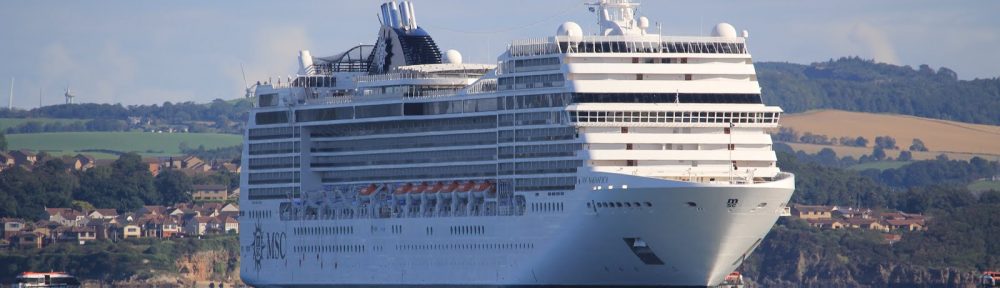
The glimmer of hope for the struggling sector came from Carnival Corporation despite reporting an average monthly cash burn of between $550 million and $770 million as dozens of ships remain idle, including some off the south coast of Britain.
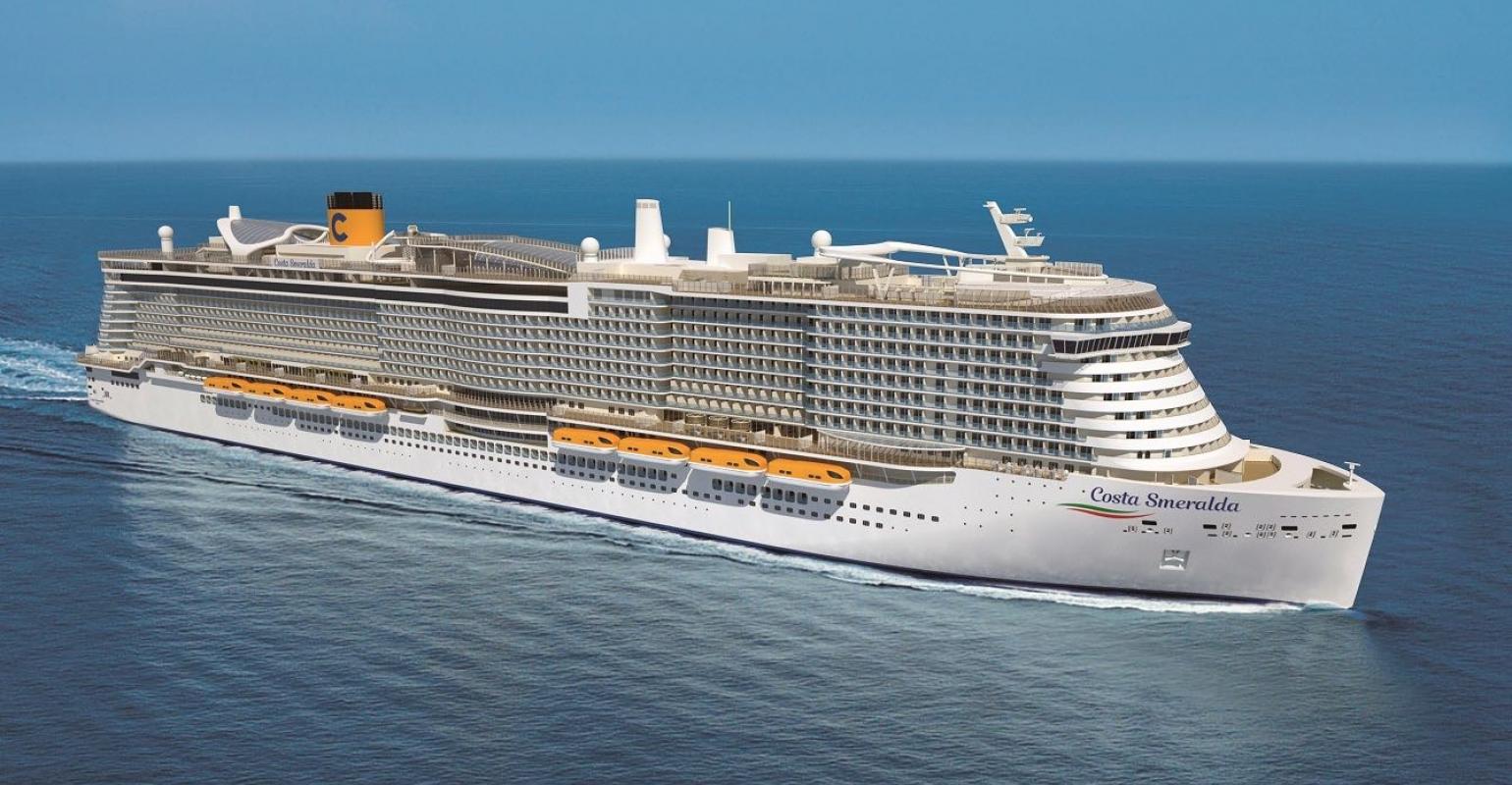
The world’s largest cruise group has started a phased return to operations with Italian brand Costa and German line Aida.
Other brands and ships are expected to return to service “overtime”.
The initial cruises will continue to operate with adjusted passenger capacity and enhanced health protocols developed with government and health authorities, and guidance from medical and scientific experts.
“Many of the company’s brands source the majority of their guests from the geographical region in which they operate. In the current environment, the company believes this will benefit it in resuming guest cruise operations,” the company said.
But in a business update on Thursday, the corporation said: “Currently, the company is unable to predict when the entire fleet will return to normal operations, and as a result, unable to provide an earnings forecast.
“The pause in guest operations continues to have a material negative impact on all aspects of the company’s business, including the company’s liquidity, financial position and results of operations.”
The company expects to report an unspecified loss for the financial year ending November 30 but has a total of $8.2 billion of cash and “cash equivalents”.
Bookings in the first half of 2021 reflect expectations of phased resumption operations and anticipated itinerary changes.
However, cumulative advance bookings for the second half of 2021 capacity currently available for sale are at the “higher-end” of the historical range.
“The company believes this demonstrates the long-term potential demand for cruising,” the parent of UK brands P&O Cruises and Cunard said.
Pricing on these bookings are lower by “mid-single digits” versus the second half of 2019, reflecting the effect of future cruise credits (FCCs) from previously cancelled cruises being applied.
The company continues to take bookings for both 2021 and 2022.
About 45% of passengers affected by schedule changes have received enhanced FCCs while 55% have requested refunds.
The total customer deposits balance at the end of August was $2.4 billion, the majority of which were FCCs, compared to $2.9 billion at May 31.
“The decline in customer deposits is consistent with previous expectations,” Carnival added.
Cruise capacity
More than half (60%) of bookings taken during the three weeks ended September 20 were new bookings as opposed to FCC re-bookings, despite minimal advertising or marketing.
Future capacity is expected to be “moderated” by the phased re-entry of ships, the removal of older capacity and delays in new ship deliveries.
The company has accelerated the trimming of capacity since the pause in operations with the disposal of 18 ships, ten of which have already left the fleet.
The 18 less efficient ships represent 12% of pre-pause capacity and only 3% of last year’s operating income.
The corporation expects to receive only two of the four ships originally due for delivery this year, including Enchanted Princess which was handed over last week.
The company expects only five of the nine ships originally set for delivery by the end of 2021 to be received by then.
Nine cruise ships and two smaller expedition vessels of the 13 originally scheduled for delivery before the end of the 2022 financial year are expected to be delivered by then.
“Based on the actions taken to date and the scheduled new-build deliveries through 2022, the company’s fleet will be more efficient with a roughly 13% larger average berth size per ship and an average age of 12 years in 2022 versus 13 years, in each case as compared to 2019,” Carnival said.
President and chief executive Arnold Donald said: “We have come full circle from initiating a suspension in the early days of the pandemic, to transitioning the fleet into a pause status, right-sizing our organisation and, now, embarking on the phased resumption of guest operations, underway in two of our world-leading cruise brands, Costa in Italy and Aida in Germany.
“We have accelerated the sale of less efficient ships, enabling us to capitalise on pent up demand on reduced capacity and structurally lower our cost base, while retaining our most cash-generating assets.
“We are taking aggressive actions managing the balance sheet and reducing capacity to position us to weather this disruption and also emerge a leaner, more efficient company, reinforcing our industry-leading position.”

New Celestyal Ship Gets Smart New Livery

Celestyal Experience

Celestyal Cruises has wasted no time on its latest addition as the former Costa neoRomantica has become the Celestyal Experience.

Celestyal added the name to the ship while the vessel was docked in Greece, having taken delivery from Carnival Corporation’s Costa brand earlier in the summer.

With the new name added, Celestyal’s next move was to add a new livery to the 1993-built vessel as the trademark yellow Costa funnels are now Celestyal blu. Next up the logo has also been added to the ship.

Celestyal has yet to announce the ship’s 2021 deployment, but it is expected to operate in the Eastern Mediterranean as the company grows capacity alongside the Olympia and Cristal.

Costa Releases More Details on Restart

Costa Diadema

Costa Cruises restart plan includes two new itineraries for Italian guests only, sailing to only Italian ports. Guests will only be allowed off the ship on organized shore excursions from Costa.

From September 6 to September 27, the Costa Deliziosa will depart every Sunday from Trieste, with calls in Bari and Brindisi in Puglia, Corigliano-Rossano in Calabria, Siracusa and Catania in Sicily.

On September 19, the Costa Diadema will leave from Genoa and call at Civitavecchia/Rome, Naples, Palermo, Cagliari and La Spezia.

“With the aim to allow guests to better enjoy their holidays while respecting the safety of guests, crew and local communities, the company has developed the Costa Safety Protocol for its fleet,” the company announced. “The Costa Safety protocol is a comprehensive set of measures and procedures in response to the COVID-19 situation, relating to all aspects of the cruise experience, both onboard and ashore. Supported by a panel of independent scientific experts in Public Health, the Costa Safety Protocol is consistent with the health protocols defined by the Italian Government and European (EU Healthy Gateways) authorities. The protocol will be constantly updated based on the evolution of the scenario and medical knowledge.”