Thomas Cook ceases trading after failing to salvage rescue deal

Image result for thomas cook

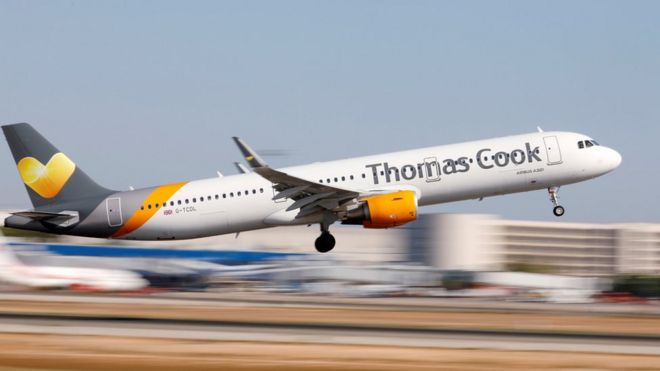
Travel giant Thomas Cook has collapsed after last-minute efforts to secure a rescue deal failed.

The 178-year-old business ceased trading with 600,000 overseas, including 150,000 from the UK.

The CAA is to begin the biggest-ever repatriation of UK travellers with more than 45 aircraft sourced from around the world.

German authorities face organising even bigger repatriation with up to 300,000 Germans abroad on Cook holidays.

The Thomas Cook board called in administrators after running out of options to keep the business afloat. A senior industry source said: “The board could not keep the wheels spinning. They had a legal duty.”

Thomas Cook’s failure leaves 20,000 staff, including 9,000 in the UK, out of work.

The insolvency was timed to kick in once the group’s entire fleet of aircraft was on the ground in the early hours of Monday.

The holidays of those due to fly out from today have been cancelled leaving hundreds of thousands to apply for refunds.

Chaos and confusion are expected at airports, as people turn up for cancelled services or to enquire about flights home, and at the more than 3,000 hotels used by Thomas Cook – most of which will be owed money by the group.

The group was set to be rescued in a deal worth £900 million which would have seen Fosun taking control of 75% of the company’s tour operating the business and up to 25% of its airline in exchange for a £450 million capital injection.

Debt holders and lending banks would put up the remaining £450 million in exchange for control of Thomas Cook’s airline and up to 25% of the tour operator.

The deal, which had been pushed back once, was due to be voted on by creditors and stakeholders on September 27.

But last week Thomas cook’s lending banks, led by Royal Bank of Scotland and Lloyds demanded it finds an additional £200 million in contingency funding.

This demand for “a seasonal standby facility” followed fresh advice from financial consultants working for the banks which suggested Cook risked running out of cash once more by late 2020.

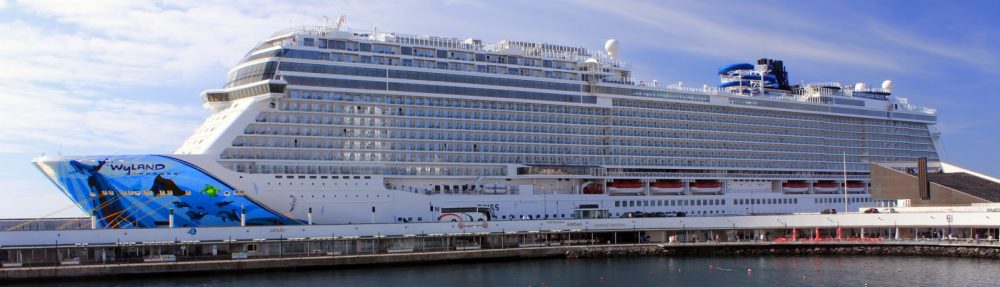
Clia denies claims cruise is failing at corporate responsibility

Clia denies claims cruise is failing at corporate responsibilityClia UK has hit out at a report critical of the cruise industry and declared it “seriously flawed with inaccuracies”.

The Leeds Metropolitan University report claims cruise lines are failing at corporate responsibility to staff and the environment.

The report, published in the latest issue of the journal Tourism Management, claims that the cruise industry is failing to provide meaningful data over what is it doing to minimise impact to the environment.

Clia said it found the report “deeply disappointing”. The study analyses the “industry’s lack of corporate social disclosure and ranks companies through analysis of their corporate social responsibility reports and websites to provide the first cruise sector sustainability reporting index.”

It claims 65% of the 80 cruise companies investigated did not mention corporate social responsibility on their websites and that only 12 brands publish corporate social reports.

Clia said: “The cruise industry is highly regulated on an international basis to exacting standards towards both the environment and labour welfare.

“We find the Leeds Metropolitan report deeply disappointing as it is seriously flawed with inaccuracies and subjective commentary which fly in the face of the facts of the achievements that the cruise industry delivers throughout the world.

“In both areas we go above and beyond those high thresholds to enable our 21 million annual global customers to enjoy the seas in which they cruise and be cared for and looked after by a motivated and content workforce.

“We put great store into our social responsibilities and we make an enormously positive impact on national economies all around the world, to the tune of €37.9 billion a year in Europe.”

The report also questioned whether enough was being done to protect marine ecosystems and claimed there was limited public data to “sustain the claim that cruise industry contributed to the economy by creating jobs and contributing to the local economy of the destinations visited.”

Dr Xavier Font, the lead author of the study, explained: “Most companies report soft data, such as statements from their CEOs, that are easy to copy and do not show real change.

“Companies mostly report on their corporate vision and strategy, their credentials and their governance and management systems, but they fail to report on actual performance data on many key environmental and socio-economic indicators.

“Reporting on emissions, effluents, waste or water is the result of eco-saving strategies and regulatory pressure.

“But not one of the 80 companies reports on the sustainability of the resources consumed or biodiversity actions, and few disclose their positive social or economic impact on destinations.”

Clia highlighted that cruise lines invest in technology to reduce the impact to the environment, that the industry has adopted voluntary standards to govern the discharge of wastewater, and that the industry is in full compliance with international and regional rules on air emissions.