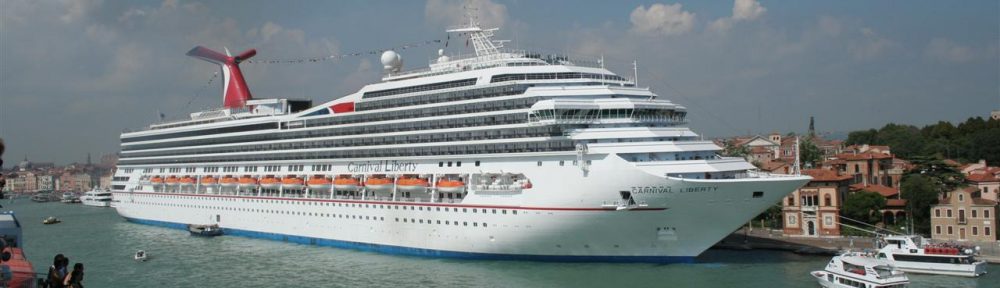
MSC cruise ship demonstrates fuel-cell technology

MSC Cruises’ latest ship, MSC World Europa, demonstrates the company’s strategy to decarbonise by cutting greenhouse gas emissions

This ship was delivered from the Chantiers de l’Atlantique’s shipyard in Saint-Nazaire on 24 October, with the latest power and propulsion technology on board.

MSC Cruise Management (UK) head of electrical engineering Steven Frey said this ship is powered by LNG and has a solid oxide fuel cell (SOFC) to run as a pilot project.

He told delegates at Riviera Maritime Media’s annual Maritime Hybrid, Electric & Hydrogen Fuel Cells Conference in Bergen, Norway, on 27 October, the importance of testing and investing in technology to cut carbon emissions.

“We are working to get to zero emissions from multiple fronts, including digitalisation, workshops and partnerships, hybrid propulsion solutions, shore charging and new technologies, such as SOFC,” said Mr Frey. “We are starting a demonstration of a 500-kW SOFC on a ship, and we want to scale this technology up to 20 MW.”

Using power from shore during port stays is an important method for MSC to reduce ship emissions.

“All of our newbuilds are ready for shore power and we are retrofitting the existing fleet,” said Mr Frey. “Around 50% of our ships will be ready by 2023 and 65% by the end of next year. We have also signed a memorandum of understanding with Cruise Baltic to use shore power in 32 ports from 2024 when it is available.”

He said smaller cruise vessels need around 4.5 MW of power and MSC’s largest ships to need more than 10 MW from shore power to shut down engines.

Mr Frey said a combination of shore power and technology to reduce energy consumption and fuel usage is needed to cut cruise ship emissions.

“We are looking at ways to decarbonise by reducing energy consumption on the ships, by adding LED lighting and heat recovery, reducing hotel loads and using alternative fuels,” he said.

“We have a dedicated department dealing with energy efficiency and developing solutions for tracking data from our vessels, so we have a clear view of consumption,” Mr Frey added.

On the subject of fuels, MSC has already turned to LNG to cut pollutants and will consider other sources of energy.

“We are considering hydrogen as a fuel of the future and are using LNG now. MSC World Europa uses LNG fuel and has the SOFC pilot project. Other ships could run a fuel cell and LNG,” said Mr Frey.

MSC’s Cruise Brands Join Green Marine Europe Label

MSC Group’s cruise division has announced that it had become the first major global cruise company to join the Green Marine Europe Label.

According to a press release, Green Marine Europe Label is a voluntary environmental certification program for the maritime industry that was launched in 2020 to “create a mechanism to support shipowners in demonstrating their environmental performance on a European scale.” It follows the success of Green Marine’s North American environmental certification program, MSC said.

MSC Group said that it has pledged to achieve net-zero emissions by 2050 and its two brands, MSC Cruises and Explora Journeys, are “committed to measuring their environmental performance annually.”

The cruise brands are using the Green Marine Europe Label’s program guidelines to track progress across eight key performance indicators: aquatic invasive species, pollutant air emissions – sulfur oxides and particulate matter -, pollutant air emissions – nitrogen oxides -, greenhouse gas emissions, oily discharge, waste management, underwater noise and responsible ship recycling.

MSC Grandiosa class photo credit Spacejunkie2

The two brands have committed to submit their annual environmental performance results to an external accredited verification party and publish them.

“Even while we tackled the many challenges of the past two years, we never lost sight of our responsibilities in the long term. In line with our commitment to sustainability and our pledge to reach net-zero emissions by 2050, the Green Marine Europe Label will help us demonstrate our progress and share this with our guests, the communities that we serve and all other stakeholders. All of this, while we continue our work on several projects studying the development of green fuels and technology solutions and we look forward to bringing them to life soonest,” Executive Chairman of the Cruise Division of MSC Group, Pierfrancesco Vago, said.

‘’Certification to the Green Marine Europe Label across our entire fleet will further demonstrate our commitment to environmental sustainability as it also reflects our desire to continually improve our performance in that space,” MSC Cruise Management’s Vice President Environmental Operations and Compliance Minas Myrtidis added.

According to the press release, the Green Marine Europe Label is the result of a partnership of the North American environmental certification program Green Marine, which has been operational for 10 years, and the Surfrider Foundation, a leading NGO in the ocean and maritime protection in the European Union.

The partnership was established in 2019, and the program was launched in the spring of 2020.

MSC said that in recent years it has made considerable advances across all areas of its cruise operations thanks to the deployment of some art environmental technologies, fuels and solutions. These include advanced emissions control systems, ballast water treatment systems and advanced wastewater treatment systems.

The first two vessels of Explora Journeys, which are currently under construction, will feature these and other environmental solutions.

Royal Caribbean makes emissions pledge as part of WWF tie-up


A five-year global partnership has been forged between Royal Caribbean Cruises and the World Wildlife Fund to help ensure the long-term health of the oceans.

They are to set “measurable and achievable” sustainability targets that will reduce the cruise giant’s environmental footprint, while raising awareness about ocean conservation among the company’s more than five million passengers, and support WWF’s global oceans conservation work.

The targets focus on supply chain sustainability and emissions reductions through to 2020. The aim is to cut greenhouse gas emissions by 35% in the timeframe.

In addition to other measures covering the sourcing of seafood from sustainable fisheries, Royal Caribbean also will support WWF’s global ocean conservation work with a $5 million “philanthropic contribution” during the partnership.

The company pledged to collaborate with WWF to build global awareness about ocean conservation issues among its millions of passengers.

The two organisations made their announcement at an event in the Philippines that is home to a model community-based eco-tourism program.

Royal Caribbean made a separate, $200,000 donation to WWF Philippines to support conservation schemes in the Donsol area.

Chairman and chief executive, Richard Fain, said: “Our mantra at Royal Caribbean is ‘continuous improvement,’ and this partnership with WWF represents a great opportunity to make a big step forward in meeting our special responsibility to protect the oceans.

“This new partnership aligns all of us at Royal Caribbean with WWF’s mission to conserve the world’s oceans. Together we are setting aggressive goals and together we will start implementing them right away.”

WWF US president and chief executive, Carter Roberts, said: “The threats that are facing the ocean are greater than ever – in the last 30 years, some ocean wildlife populations have declined by nearly 50%. If we are going to reverse the downward trends, we must take serious steps to repair, restore and protect the oceans.

“This initiative centres on two core concepts: first, committing to specific and measurable targets to reduce carbon emissions, increase sustainable sourcing and build destination stewardship; and second, comprehensively engaging their millions of travellers to learn about the ocean and then act to help save it.”