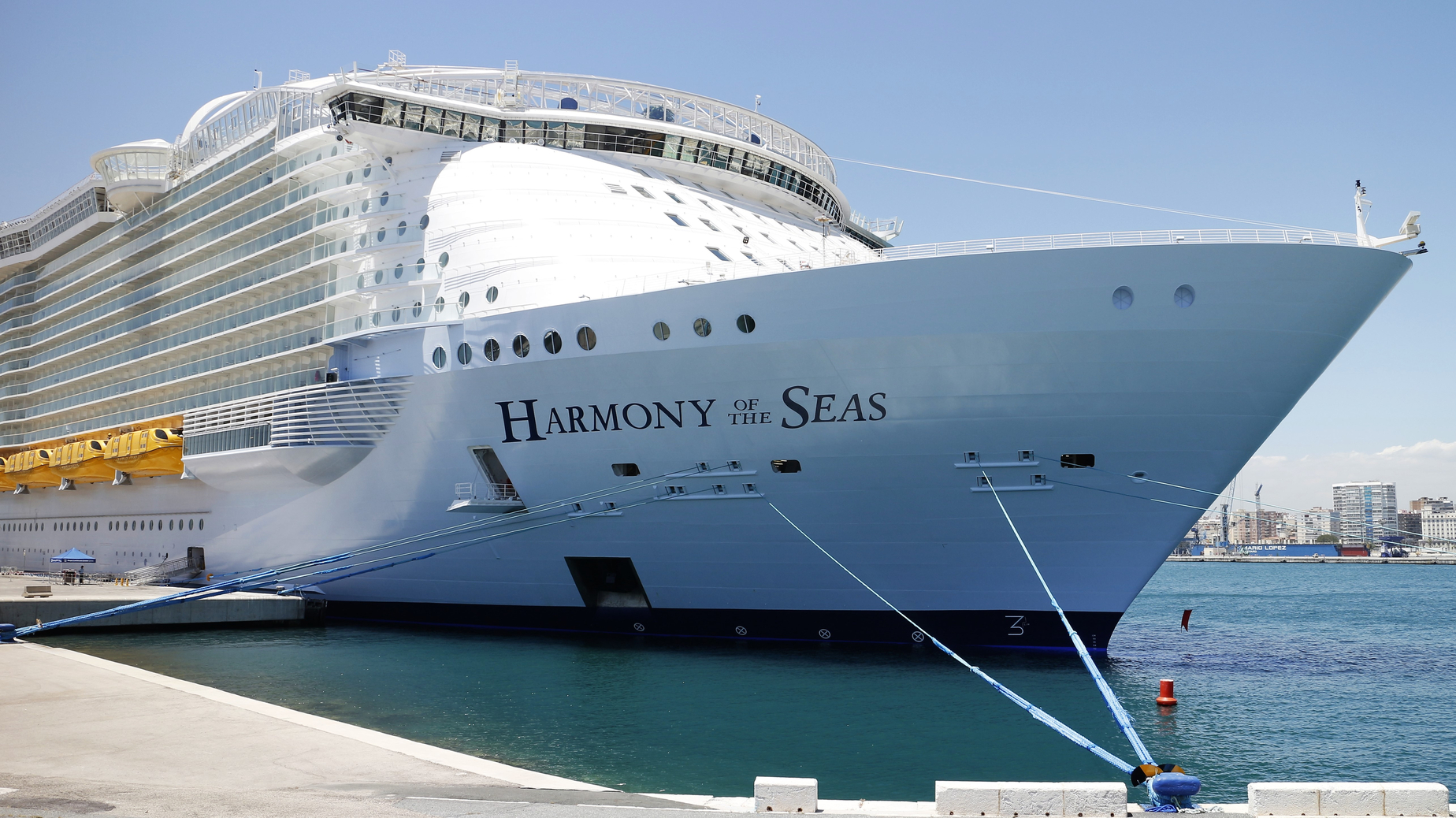
SAN JUAN (AP) — The world’s biggest cruise ship has docked in Puerto Rico for the first time as the U.S. territory reports a boost in tourism amid an economic crisis.
Royal Caribbean’s Harmony of the Seas arrived Wednesday in the historic district of the capital of San Juan. The ship can carry up to 6,700 passengers and 2,300 crew members.
The arrival follows an $8 million port renovation.
Gov. Alejandro Garcia Padilla says Puerto Rico expects to welcome a record 1.7 million cruise ship passengers next year.
Passengers disembarking from cruise ships at Port Everglades in Fort Lauderdale will be able to use an app on their smartphones to fill out re-entry forms for the U.S. Customs and Border Protection (CBP).
Airports, including those in Miami and Fort Lauderdale, already have this feature but Port Everglades will be the only U.S. cruise port to offer it, port director Steve Cernak said.
“An added bonus is that [the system] will be in service in time for the arrivals of Royal Caribbean International’s Harmony of the Seas and Holland America Line’s Koningsdam,” Cernak said.
Port Everglades plans to go live with the service on Nov. 4.
The app is currently available for Apple phones and is expected to be available for Android phones later this month.
Developed by Airside Mobile and Airports Council International-North America in partnership with the CBP, the app allows U.S. citizens with a passport debarking a cruise ship to complete their customs declaration using their smartphones or other mobile devices, expediting their clearance process in the terminal.
A physical passport or passport card is still required for re-entry.
The Fort Lauderdale port also recently completed pilot testing of the Automated Passport Control (APC) kiosks in two of its cruise terminals, another CBP initiative to streamline the traveler-screening process.
The Monster zipline at Toro Verde adventure park, at 1.57 miles long, has been certified as the world’s longest by the Guinness Book of Records.
Blessed with a natural harbor, San Juan has been working on attracting more cruise traffic and is having success with new calls and turnaround operations scheduled from several lines.
One of the most awaited is a visit from Royal Caribbean’s Harmony of the Seas, the world’s largest cruise ship, in December.
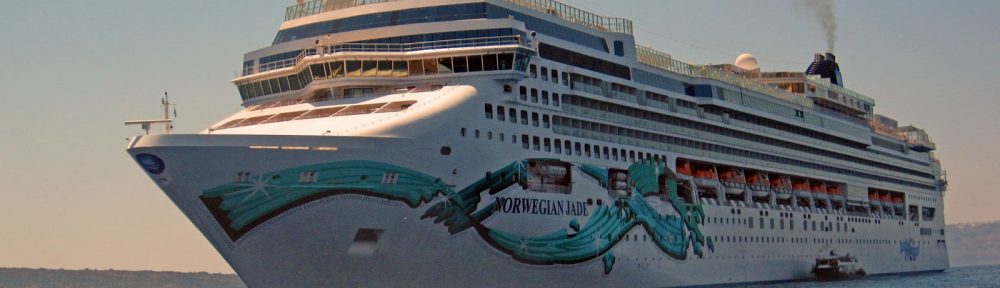
Norwegian Cruise Line has several week long cruises for the Norwegian Gem scheduled from San Juan in November and plans to return to seasonal home porting there from next November to early January 2018.
Windstar Cruises is in its second year of San Juan winter departures, after expanding its fleet in 2014.
And starting in October, Viking Cruises began regular calls in San Juan, sailing its 930-passenger Viking Star on 10- and 11-day southern Caribbean itineraries.
“We’re super-excited about that,” said Mari Jo Laborde, chief sales and marketing officer for the Puerto Rico Tourism Co. “It’s their first immersion into [Caribbean] sea cruises, and they’re doing it out of Puerto Rico.”
San Juan is a traditional gateway to the southern Caribbean because it is well positioned geographically and has the biggest airlift in the Caribbean. Carnival Cruise Line and Royal Caribbean International have long had seven-day ships in the market. Currently they are the Fascination for Carnival and the Adventure and the Jewel of the Seas for Royal.
In 2014-15, Puerto Rico hosted a record 1.5 million cruise visitors. “It’s looking like we’re going to break it again in two years, in 2017-18, at 1.6 million,” Laborde said, as 2017 visits from Norwegian, Viking and others are added up.
San Juan has been paving the way for new arrivals with improvements to its piers and facilities.
In 2014, Pier 3 was lengthened for use by Royal Caribbean’s Oasis-class ships, including the Harmony. During the recent Florida-Caribbean Cruise Conference, Puerto Rico Gov. Alejandro Garcia Padilla said that Duty Free Americas would be investing $8 million to add a two-story building at Pier 3 that will offer duty-free shopping, restaurants, galleries and entertainment for arriving passengers.
Four large ships can be docked simultaneously at Pier 3 and the adjacent Pier 4, which is mostly used by Carnival.
Piers 3 and 4 can accommodate up to four large ships at a time, such as Royal Caribbean’s Oasis-class vessels.
Once ashore, there are new things to do, Laborde said. An exciting new zipline called the Monster has been added at the Toro Verde adventure park, in Orocovis, about 90 minutes from San Juan by motor coach. The 1.57-mile cable has been certified as the world’s longest by the Guinness Book of World Records. The zipline ride costs $135, and the park draws 80% “excellent” reviews on TripAdvisor.
Another new attraction closer to town is the Vivo Beach Club, in San Juan’s Isla Verde neighborhood near the airport. “That’s been doing very, very well among cruise lines, because they offer packages for passengers to go and spend the day,” Laborde said.
A redevelopment of the former Tropimar Beach Club, it features a pool, a beach area, a restaurant and an event space for concerts as well as a microbrewery, Laborde said. She said prices vary by cruise line.
Another arrival in San Juan is the Mall of San Juan, which opened in 2015 and has a lineup of high-end retailers such as Nordstrom and Saks Fifth Avenue, putting it a step above the Plazas las Americas mall.
Also new in the Condado tourist area are several stands that offer bike rentals and stand-up paddleboard tours, Laborde said.
Close to the port is the Bahia Urbana, a redevelopment of some old piers into a park that opened in 2013. Bike rentals are offered by a shop in a condo across the street.
The pool at the Vivo Beach Club, a popular shore excursion in San Juan’s Isla Verde neighborhood.
There are also several new places to stay, mostly around the 10-year-old Puerto Rico Convention Center, the largest in the Caribbean. Additions in the last few years include a Hyatt Place and a Hyatt House, which complement a Sheraton that adjoins the convention center building.
“You basically walk to the convention center,” Laborde said. “It’s so much easier.”
The FCCA convention and trade show in September, held for the first time in five years in San Juan, attracted 1,000 delegates and resulted in between 2,500 and 2,700 room nights, with an estimated economic impact of $2 million, Laborde said.
The convention will go to Mexico next year and then return to San Juan from 2018 to 2022. That’s a departure for the organization that has previously rotated the event each year around the Caribbean.
“The FCCA is basically changing its strategy,” Laborde said.
San Juan’s facility affords the show the chance to grow, with an eventual target of 3,000 delegates, Laborde said. Just on hotel bookings alone, Puerto Rico could see an impact of up to $25 million during the four-year run, she said.
By the time the convention returns in 2018, San Juan will also be receiving calls from the 4,140-passenger MSC Seaside. Royal Caribbean also plans more regular visits with its Oasis-class ships, Laborde said.


 And starting in October, Viking Cruises began regular calls in San Juan, sailing its 930-passenger Viking Star on 10- and 11-day southern Caribbean itineraries.
 Wetravel2u's Weblog