Norwegian improves agent incentives to book affinity cruises

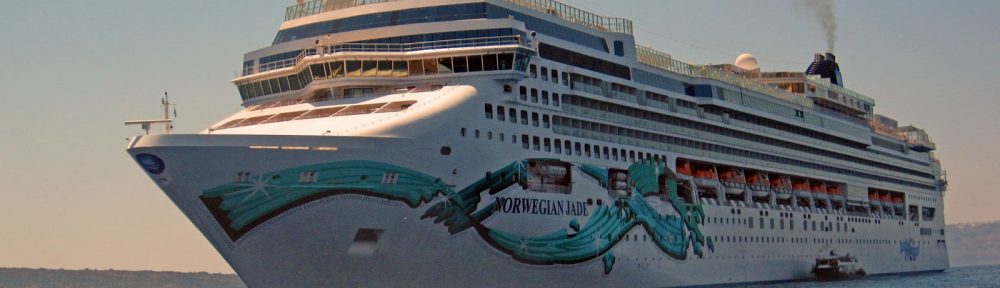
Norwegian Cruise Line revamped its program for affinity groups to give travel agents three ways to receive amenities associated with booking such groups. The updated program starts Dec. 1.

The first option is to receive two tour conductor (TC) credits for every 14 berths booked as the entire amenity.

A second choice provides a 1-for-14 TC credit plus the option of an Ultimate Beverage package or prepaid service charges for each member of the group.

A third choice is a 1-for-14 TC credit plus any two of a list of eight amenities, including a free Internet package, a cocktail party, a four-night specialty dining package or a $75 onboard credit.

The affinity group program was announced during a webinar for agents. In an instant poll done during the webinar, 44% of agents said they preferred the second choice, 38% the third choice and 20% the first choice.

“We are huge fans of affinity groups,” Norwegian Cruise Line President Andy Stuart told webinar participants, because bookings come early, tend to stick and bring people who have never cruised before.

As part of the program, Stuart said the availability of amenities chosen will be guaranteed for the duration of the cruise, even though it may be booked many months out.

Other terms of the program require agents to make a deposit of $50 per cabin within 60 days of booking, provide for space recall at 120 days prior to sailing, and require final payment 75 days prior to sailing. “We’re going to ask you to invest in this program,” Stuart said.

Norwegian emphasized that the program is only for true affinity groups, not for unaffiliated passengers booked together in speculative space held as a group.

Barcelona to Cruisers: We Love You. Now Please Get Back on Board

Getty

Last weekend, a record-breaking 60,000 cruise ship passengers disembarked into the popular Spanish city. But despite generating investment and jobs, these staggering numbers are at odds with Barcelona mayor Ada Colau’s vow to cap the amount of tourists who inundate the city each year.

Last weekend, a staggering 60,000 tourists entered Barcelona by sea, shattering the city’s previous record. This is a number that the president of Barcelona Port, Sixte Cambra, wants to see increase. It was reported that last year cruise ship passengers alone spent about $900 million, creating an estimated 7,000 permanent jobs in the city. “The report shows that the cruise sector generates investment and jobs and is an activity that creates growth and stability,” says Cambra. This is why, despite the opposition from the mayor, Barcelona Port hopes to expand in order to accommodate even more of these ships.

However, not everyone is as excited about these numbers as Cambra is, specifically newly-elected mayor Ada Colau, who got attention during her campaign by proposing to impose a tourism cap on the city. Colau and many others feel that the city’s beaches, streets, and popular neighborhoods like the Gothic Quarter are at risk of being oversaturated by tourists, many of whom disgorge from the massive cruise ships that make Barcelona a popular port of call. “If we don’t want to end up like Venice, we will have to put some kind of limit in Barcelona,” she says. However, those benefiting from the surge in tourism (the city’s tourism numbers doubled in the last decade) do not share in Colau’s concerns and would like to see these numbers grow even more. One advantage of welcoming cruise passengers is that most are embarking in the city for a day before returning to their ships at night, meaning that the city’s already-packed hotels won’t have to take on any additional guests.

At a time when Europe’s economy is still struggling to get going, it’s hard to turn away easy money and jobs, but at what point does the impact on the local way of life become too much? This is a question that both sides of the argument in Europe’s third most-visited city will have to address as they try to find a manageable balance.

Saga’s new all-balcony German-made cruise ship

The cruise line will offer an all-balcony 1,000-passenger ship from summer 2019 as the first of two modern vessels to meet demand
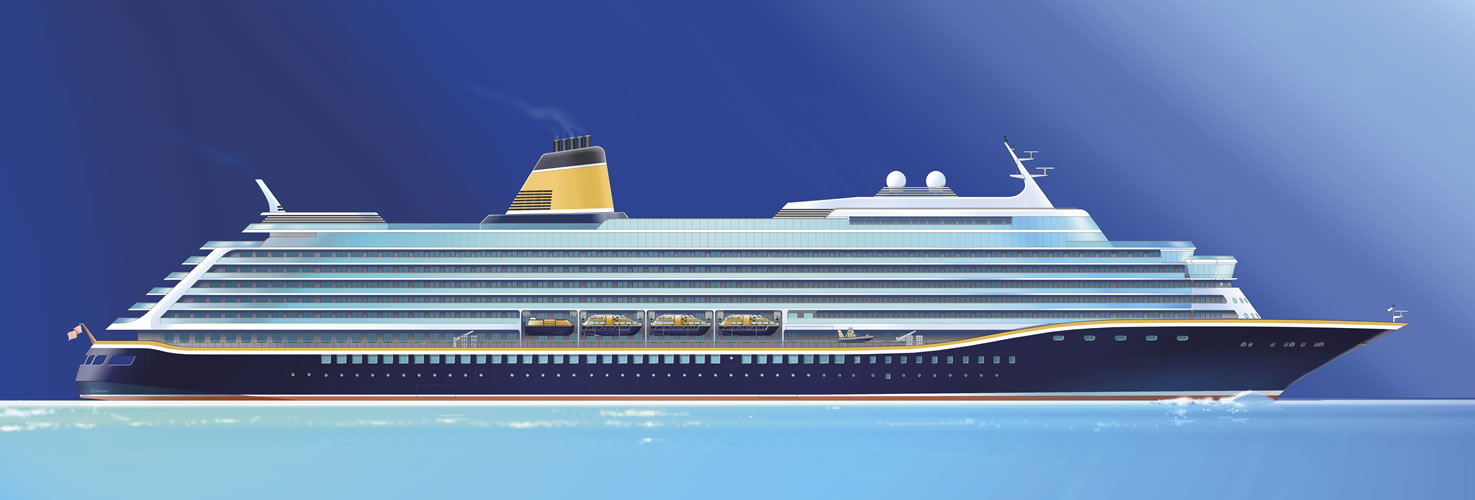
An artist's impression of the Veranda area shows the slick design on the new Saga ship, which will be available from 2019
An artist’s impression of the Veranda area shows the slick design on the new Saga ship, which will be available from 2019 Photo: Saga
 

Saga Cruises has ordered an all-balcony ship that will be available to holidaymakers from 2019, to accommodate demand on the holiday company’s popular sailings.

The new vessel will carry fewer than 1,000 passengers in around 540 suites and cabins, each with a balcony. Around 15 per cent of cabins will be designed for single occupancy and leisure facilities will include outdoor and indoor swimming pools, a spa, saunas, treatment rooms and beauty salon.

Artist impression, The Veranda

Artist impression, The Veranda

Saga Cruises currently only operates two ships, the 446-passenger Saga Pearl II and the 706-passenger Saga Sapphire, both of which are set for an eventual phase out. Demand for sailings on the ships is extremely high: they carried around 25,000 passengers last year, with a 75 per cent repeat passenger rate.

The new ship is significant as sailings on the two existing vessels sell out far in advance, suggesting that demand from cruisers outstrips what Saga can currently offer.

“There is no expectation that customers will pay more.”
Robin Shaw, chief executive of Saga Cruises

The 55,900 grt vessel that will come into service in 2019 will be built by Meyer Werft in Germany. The shipyard recently put the finishing touches to Norwegian Cruise Line’s soon-to-launch Norwegian Escape and is building Royal Caribbean’s Ovation of the Seas.

A second new vessel may also enter service by 2021.

• Saga sets sail for further cruises

Robin Shaw, chief executive of the cruising division, said that, “There is no expectation that customers will pay more” as a result of the new ships.

Lance Batchelor, Saga chief executive officer, added that cruising remains, “at the heart of the Saga brand”.

Feedback from passenger forums indicated that passengers are keen to maintain the friendly, “one ship for everybody” ethos that Saga is known for. Dining can be accommodated in a single sitting and there will be no exclusive areas on board, or restaurants that charge supplements.

Research commissioned by Saga into travel buying patterns of the 50-plus age group found that spending on cruising is expected to increase by 43 per cent to £2.2 billion by 2020. This compares with £1.65 bn in 2014 of £41 bn on travel and tourism as a whole.

Nearly a third (32 per cent) of the over-50s in employment said they were planning to increase their spending on cruises post retirement.

The Saga Pearl II and the Saga Sapphire will visit 14 new ports between them in 2016, including Holy Loch, Scotland; Boulogne-sur-Mer in France; Pyramiden in the Svalbard archipelago; San Remo in Italy and Southwold in Suffolk.