The Royal Caribbean Group expects to be cash-flow positive in about six months, Jason Liberty, senior vice president and CFO, said on the company’s Q2 earnings call.
Liberty noted that the third and fourth quarters of this year will continue to be “painful” and cautioned that 2022 will not be a normal year although trends to normalcy should be picking up during the year.
Going from four ships in service at the end of April, the group now has 29 out of 68 ships sailing and will introduce seven more this month.
By the end of the year, Liberty said, 85 per cent of the Royal Caribbean fleet should be sailing.
As for the newbuilds, Liberty said they will be introduced on 10-month delays from when they originally were expected to enter service.
Richard Fain, chairman and CEO, noted how Royal Caribbean is focused on operating their cruises safely and safer than other vacation alternatives, while still exceeding pre-pandemic guest expectations, and doing so in a fiscally prudent manner.
He underscored that their safety protocols are working and that the ships allow them to control the environment to an unusual extent: 100 per cent of the crew is vaccinated, and in July, 92 per cent of the passengers were vaccinated.
“We have had people test positive, but since people around them have been vaccinated, it means these have been isolated cases,” Fain said. “The vaccines are the ultimate weapon and they work.
“In light of the Delta variant, we have strengthened our protocols further.
“Cruises have become the example of how best to deal with COVID-19,” Fain added.
It should come as no surprise that the main topic on everyone’s mind during this year’s Seatrade Cruise Virtual industry convention was COVID-19, with a particular focus on restarting operations. Despite such daunting challenges, the cruise travel market is the most optimistic it has been since shutting down sailings.
Among the takeaways were the following key points.
Testing, Testing, One, Two, Three
More than anything, testing for the novel coronavirus was presented as the most important step for cruising’s eventual return — specifically, the 100% testing of all passengers and crew before boarding any ship as outlined by Cruise Lines International Association (CLIA).
In fact, Rick Sasso, president and CEO of MSC Cruises, believes testing effectively makes vaccines “irrelevant” as tests will help weed out any instances of COVID-19 regardless of who has or who has not been inoculated.
Another common belief is that while testing is a crucial “first gate,” as stated by Dr. Grant Tarling, chief medical officer, Group Health Services at Carnival Corporation, it is still possible that the virus could make its way onboard. Thus, multiple layers of protection including masking and physical distancing, as well as case isolation as needed, will be implemented.
Protocols Not Permanent
It is also good to remember that the strictest health protocols will not be in place forever. Donnie Brown, vice president of maritime policy at CLIA, anticipates stringent measures to exist at the “initial resumption” but looks forward “to being able to scale them back in time.”
He said what will contribute to the eventual loosening of protocols is a combination of easing restrictions on terrestrial travel; the availability of treatments and vaccines; and the remaining prevalence of COVID-19 in source markets and destinations.
Next Up: The Caribbean
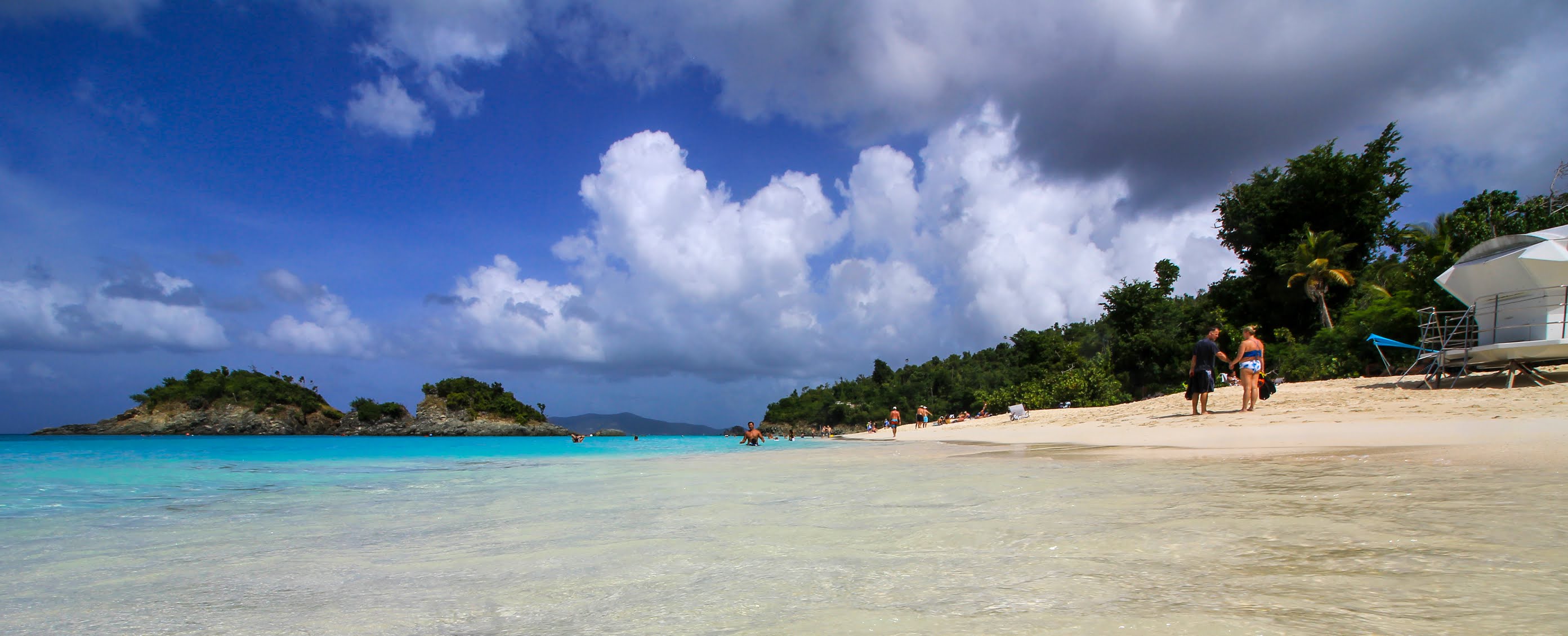
Trunk Bay in St. Johns
The Caribbean is expected to be one of the first destinations to return for North American travellers, who can look forward to a gradual phasing in of ports, not all of which will likely be available on initial itineraries.
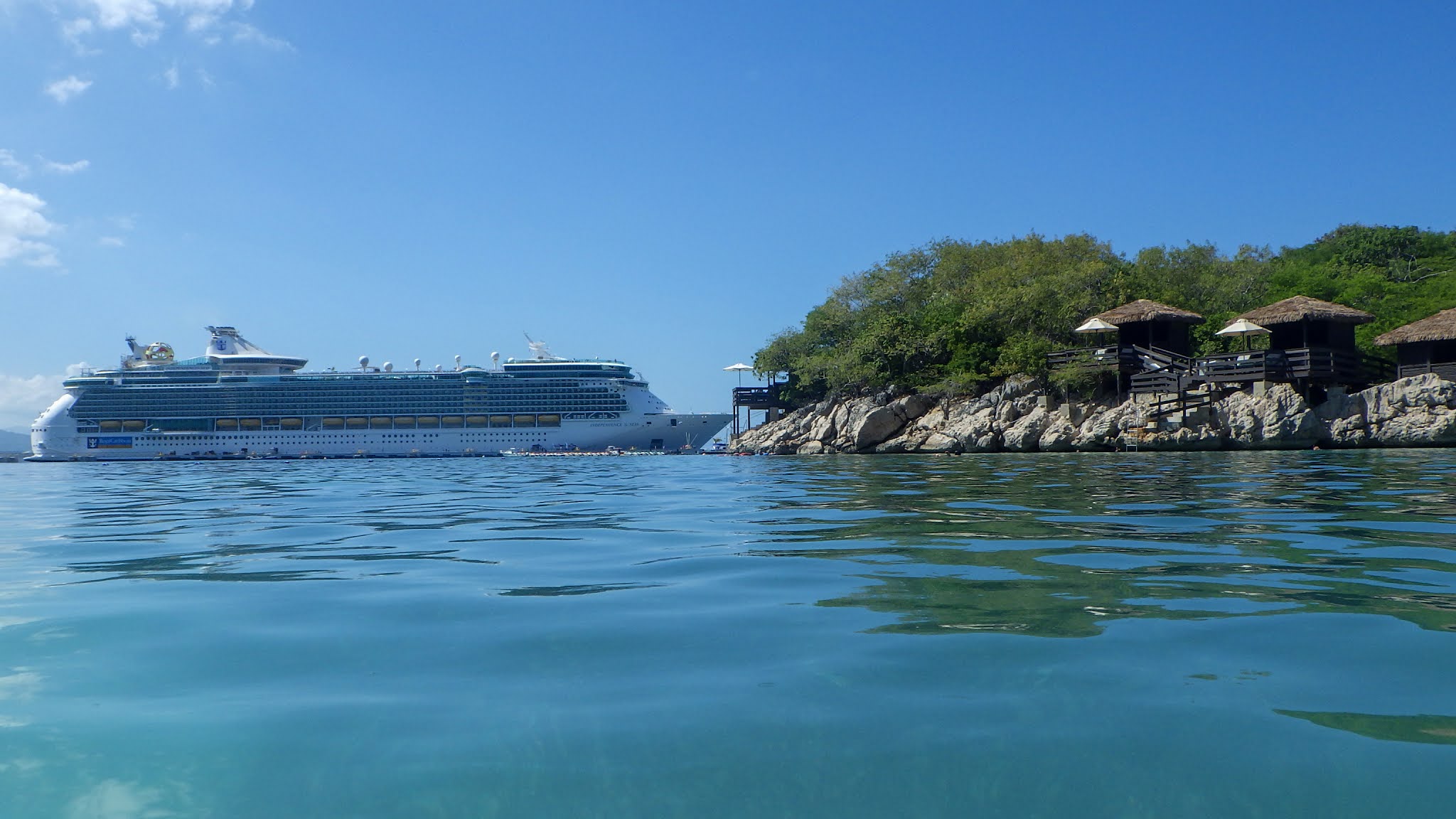
Holland America Line’s new president Gus Antorcha emphasized that cruise lines’ own private islands will come into play more to start, but traditional destinations are not out of the running.
Even if there are more restrictions, to begin with, sanctioned shore excursions are not necessarily a bad thing. Josh Leibowitz, president of Seabourn, pointed out that the cruise industry actually started out with “controlled” tours.
Ultimately, “pleasure should not be restricted,” said Clarice Modeste-Curwen, minister for tourism and civil aviation, Grenada Tourism Authority, but the region is rethinking attractions as needed, as well as avoiding mass gatherings with smaller groups. She specifically cited beaches and health-focused tours as good offerings.
It will come down to instilling traveller confidence in destinations and building mutual trust between ports and cruise lines, and those discussions are well underway.
Alaska’s Health Bubble
Both Holland America Line (HAL) and Windstar Cruises have specifically said they are planning for full 2021 Alaska seasons.
Equally anticipating next year’s return are Alaska’s individual ports of call. Skagway, for one, depends on cruising for a staggering 90% of its local economy, according to Andrew Cremata, borough mayor of Skagway.
“We want [guests] to have a completely free experience while they’re in the port,” he said.
Cremata discussed how a health bubble can be created on a ship, but also in a small destination such as Skagway, where visitors can still openly wander beyond shore excursions to hike, shop or dine. Crucial to that will be routinely testing seasonal workers so the local bubble and incoming bubble can safely interact.
Demand and Demographics Remain Steady
Also positive is the news that traveller demand remains high. Colleen McDaniel, editor-in-chief of Cruise Critic, spoke of the emerging trend of “revenge travel,” and the huge desire there is to get back out there, particularly among those who have cruised before. She said cruising is already their preferred vacation, and they miss cruising with friends.
HAL’s Antorcha does not see demographics shifting either. Those who “took travel for granted,” are raring to go, and, perhaps surprisingly, older guests are disproportionately booking cruises right now, he said.
Similarly, MSC’s Sasso believes loyalists will return. First-timers “may have been moved a little bit away from the fence,” he said, but there’s an opportunity to capture a new audience that appreciates all the robust steps the cruise industry is taking to ensure the healthiest of environments.
Travel Advisors Are Key
“Coming out of this, [travel agents] will never be in greater demand,” said Alex Sharpe, president and CEO of Signature Travel Network.
Sadly, Sharpe does foresee a smaller community that is “leaner and meaner,” but also one that has a chance to quickly grow back as consumers need help understanding everything. The additional silver lining, he added, is the potential for greater revenue per advisor with fewer in the market.
To that end, Dan Blanchard, owner and CEO of UnCruise Adventures — who said “God bless agents” — remains very thankful for advisors’ continued support and advised them to become as knowledgeable as possible about all the new protocols to keep their edge moving forward.
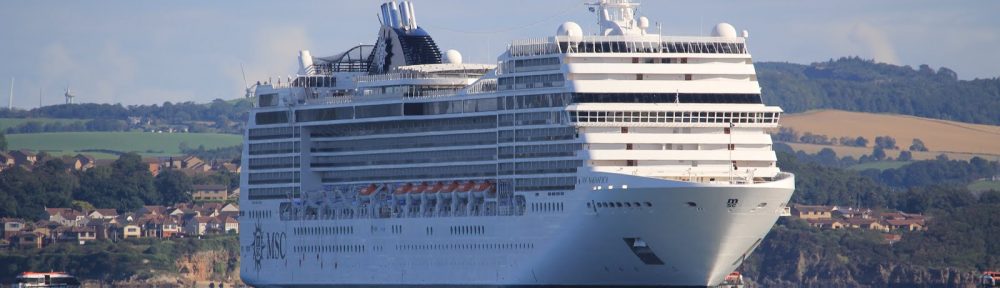
The MSC Grandiosa departed Genoa on Sunday night for the start of MSC’s first cruise since it paused operations in March due to COVID-19.
Sailing with trimmed occupancy and 10 per cent of staterooms set aside for isolation, MSC’s flagship will visit Civitavecchia/Rome, Naples, Palermo and Valletta.
Gianni Onorato, MSC Cruises’ CEO commented: “It is a real pleasure for me to be here and sail onboard the first of our ships to return to service and to be able to welcome back our guests. Our main goal during these last months has been to put in place the right measures that will protect the health and safety of our guests, crew and the communities we visit. But at the same time, we have worked to ensure that we are able to provide our guests with a cruise holiday that they can enjoy and still experience all of the elements that they know and love from entertainment and activities onboard through to protected ashore visits.”
MSC becomes the third big-ship line to restart operations, following TUI Cruises, which restarted from Germany in July, and Dream Cruises, sailing in Taiwan.
In addition, MSC clarified it will only restart operations in the U.S. when the time is right, following approval by the CDC and other relevant authorities across the region in observance of their requirements and guidelines
A second MSC ship, the MSC Magnifica, will debut into operation later this month sailing cruises to the Eastern Mediterranean.
Among health, protocols are universal health screening of guests prior to embarkation that comprises three comprehensive steps: a temperature check, a health questionnaire and a COVID-19 swab test. Depending on the screening results and according to the guest’s medical or travel history, a secondary health screening or testing will take place. Any guest who tests positive displays symptoms or a temperature will be denied boarding.
The ship will also see elevated sanitation and cleaning measures supported by the introduction of new cleaning methods, the use of hospital-grade disinfectant products and the sanitation of the air on board with UV-C light technology that kills 99.97% of microbes.
Ongoing health monitoring will also be conducted throughout the cruise. Guests and crew will have their temperature checked daily either when they return from ashore or at dedicated stations around the ship to monitor the health status of every guest and crew member.
Guests and crew will only go ashore as part of an organized MSC excursion.

 Wetravel2u's Weblog