Onboard revenue is considerably up across the Royal Caribbean Group ships back in service, with guests ready to spend.
“We are also seeing pent-up demand for our onboard revenue experiences,” said Jason Liberty, CFO and executive vice president, on the company’s second-quarter earnings call.
“Guests are really enjoying our shore excursions, casinos, spas and restaurants after spending a year in isolation,” he said.
“We are also seeing an increased demand for our WiFi services as more and more consumers have the flexibility to take vacations and work remotely.”
Michael Bayley, president and CEO of the Royal Caribbean International brand, added he was incredible encourage by the spend onboard the ships that are back into operation.
“In fact, the numbers have been very impressive,” Bayley added.
Officials will break ground for the brand new $110 million cruise terminal at Galveston Wharves for Royal Caribbean International on Saturday at 10 a.m. local time.
Galveston Wharves will be represented by Port Director and CEO Rodger Rees, who will be joined by Royal Caribbean Group Vice President of Destination Development Joshua Carroll and Ceres CEO Craig Mygatt.
Also expected are Craig Brown, Mayor, the City of Galveston and Albert Shannon, Chairperson, Board of Trustees of the Galveston Wharves.
The new cruise terminal will cover approximately 170,000 square feet on ten acres of land in the southeast section of the Port of Galveston known as Pier 10.
The facility, which is anticipated to open in fall 2022, will feature state-of-the-art technology to enable mobile check-in and facial recognition to create an expedited arrival experience for guests, according to a press release.
The terminal will be designed and developed sustainably to meet LEED certification standards.
Carnival Corporation, Royal Caribbean Group and Norwegian Cruise Line Holdings are still burning through cash as some ships emerge from lay-up back into operations.
Cash burn numbers may be up in the third quarter with added costs to reactivate ships, needed maintenance, potential drydocks, procurement, getting crew back and more.
Only one out of the three big cruise companies provided estimates on third-quarter cash burn, indicating it would be up close to 45 per cent.
Carnival Corporation
For Carnival Corporation, the company’s cash burn for the first half of 2021 was $500 million per month, which was better than a previous forecast of $550. The improvement was mainly due to the timing of cash received from ship sales just before the end of the second quarter and some other small working capital changes.
With ships quickly relaunching, and a short booking window for cruises announced close to departure, the company said it will not provide a forecast for its third-quarter cash burn rate.
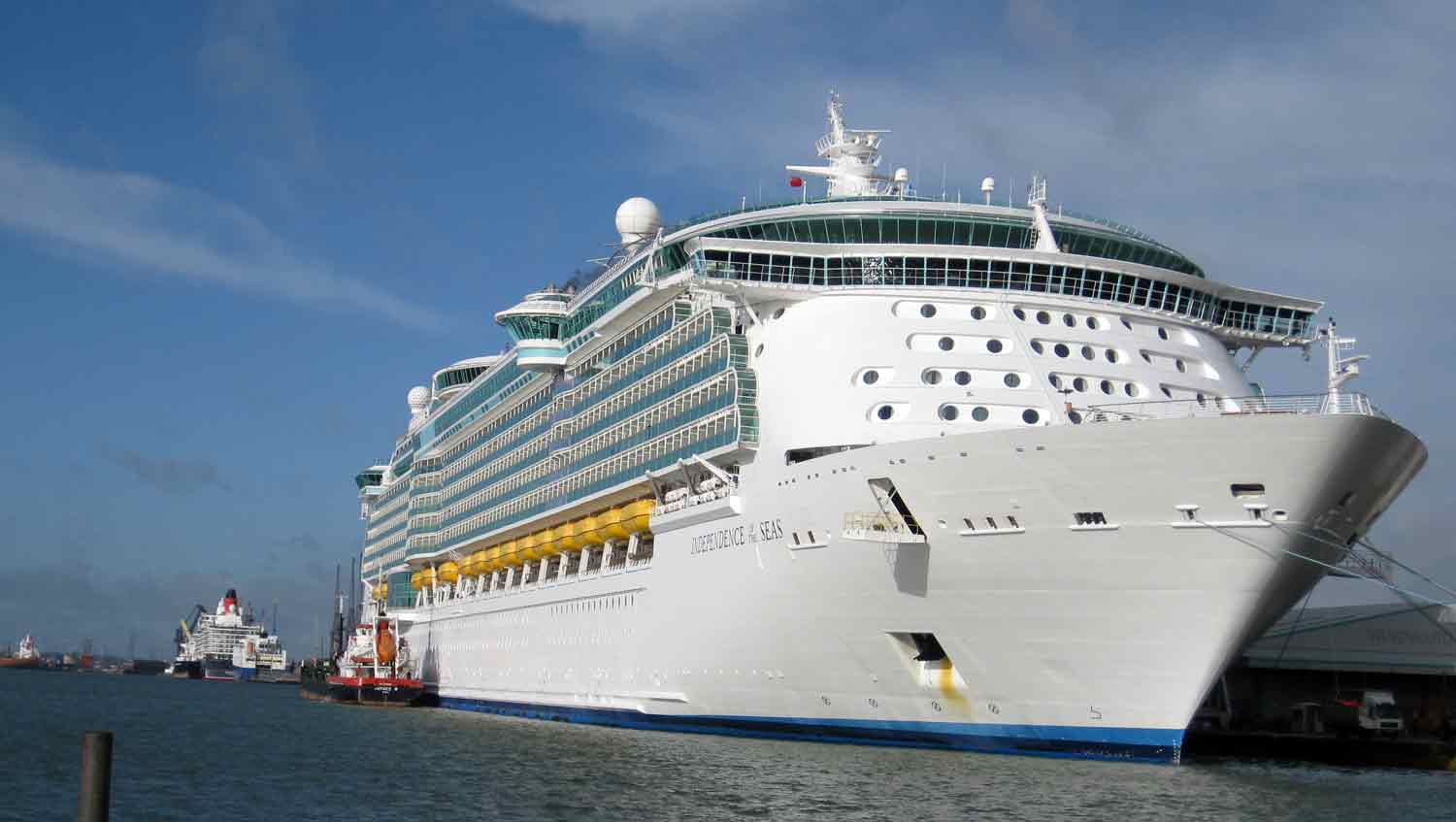
Independence of the Seas in Southampton Photo credit Dave Jones
Royal Caribbean Group
Royal Caribbean reported its average monthly cash burn rate for the second quarter of 2021 at approximately $330 million, slightly higher than the prior quarter as the company returned additional ships into operation.
Similar to Carnival, Royal Caribbean would be not providing a forecast for the third quarter.
“The environment remains fluid, and for this reason, we are not providing a cash burn estimate or the related offsets generated by revenue and new customer deposits. I will highlight that the burn rate for the ships that are kept at layoff is expected to be consistent with our previous expectations,” said Jason Liberty, executive vice president and CFO, on the company’s second-quarter earnings call.
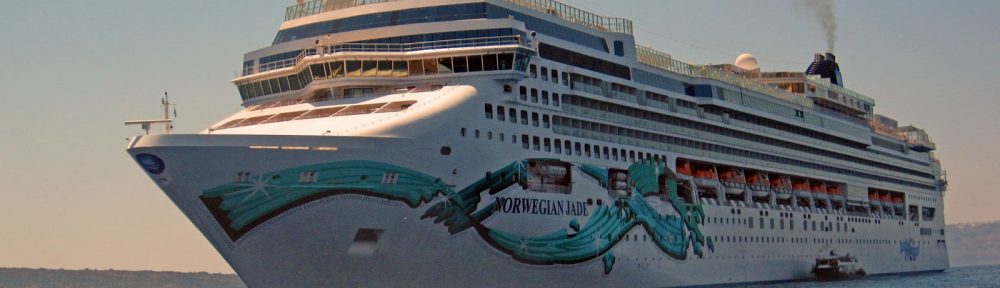
Norwegian Star in Mexico Photo Credit Dave Jones
Norwegian Cruise Line Holdings
Norwegian Cruise Line Holdings said its average cash burn in the second quarter was $200 million per month, higher than its guidance of $190 million driven by the announcement of additional ship relaunches in the company’s voyage resumption plan and the associated restart expenses.
“As for the third quarter, we expect our average monthly cash burn rate to increase to approximately $285 million as restart expenses accelerate with additional vessels entering service,” said Mark Kempa, executive vice president and CFO. “Restart expenses are primarily related to repositioning, provisioning and stopping of vessels, implementing new health and safety protocols and a measured ramp-up of demand-generating marketing investments.”