The Big Three Cruise Corporations Continue to Burn Cash. Here’s How Much.

Carnival Corporation, Royal Caribbean Group and Norwegian Cruise Line Holdings are still burning through cash as some ships emerge from lay-up back into operations. 

Cash burn numbers may be up in the third quarter with added costs to reactivate ships, needed maintenance, potential drydocks, procurement, getting crew back and more.

Only one out of the three big cruise companies provided estimates on third-quarter cash burn, indicating it would be up close to 45 per cent. 

Carnival Corporation

For Carnival Corporation, the company’s cash burn for the first half of 2021 was $500 million per month, which was better than a previous forecast of $550. The improvement was mainly due to the timing of cash received from ship sales just before the end of the second quarter and some other small working capital changes.

With ships quickly relaunching, and a short booking window for cruises announced close to departure, the company said it will not provide a forecast for its third-quarter cash burn rate.
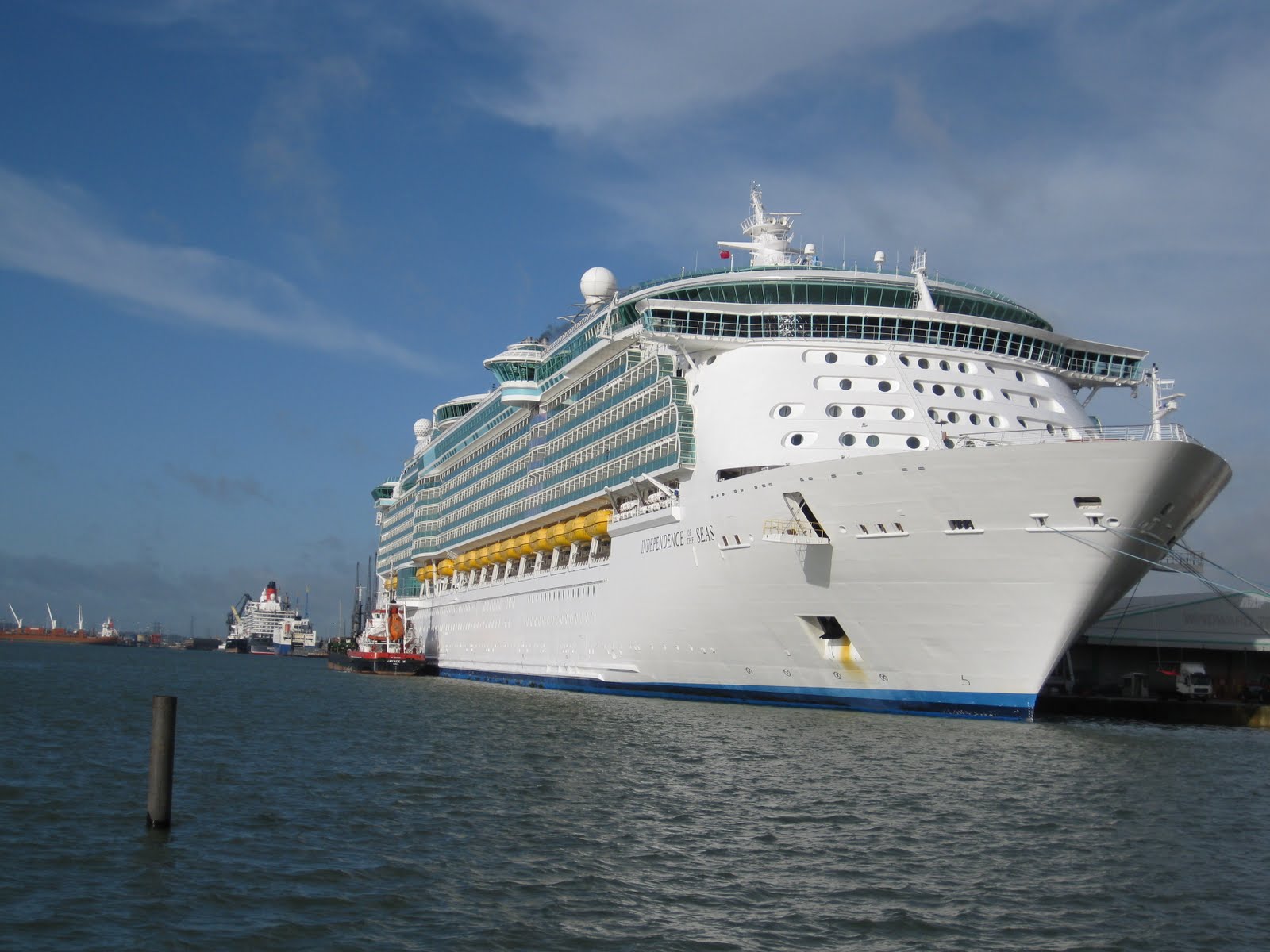
Independence of the Seas in Southampton Photo credit Dave Jones

Royal Caribbean Group

Royal Caribbean reported its average monthly cash burn rate for the second quarter of 2021 at approximately $330 million, slightly higher than the prior quarter as the company returned additional ships into operation. 

Similar to Carnival, Royal Caribbean would be not providing a forecast for the third quarter.

“The environment remains fluid, and for this reason, we are not providing a cash burn estimate or the related offsets generated by revenue and new customer deposits. I will highlight that the burn rate for the ships that are kept at layoff is expected to be consistent with our previous expectations,” said Jason Liberty, executive vice president and CFO, on the company’s second-quarter earnings call.
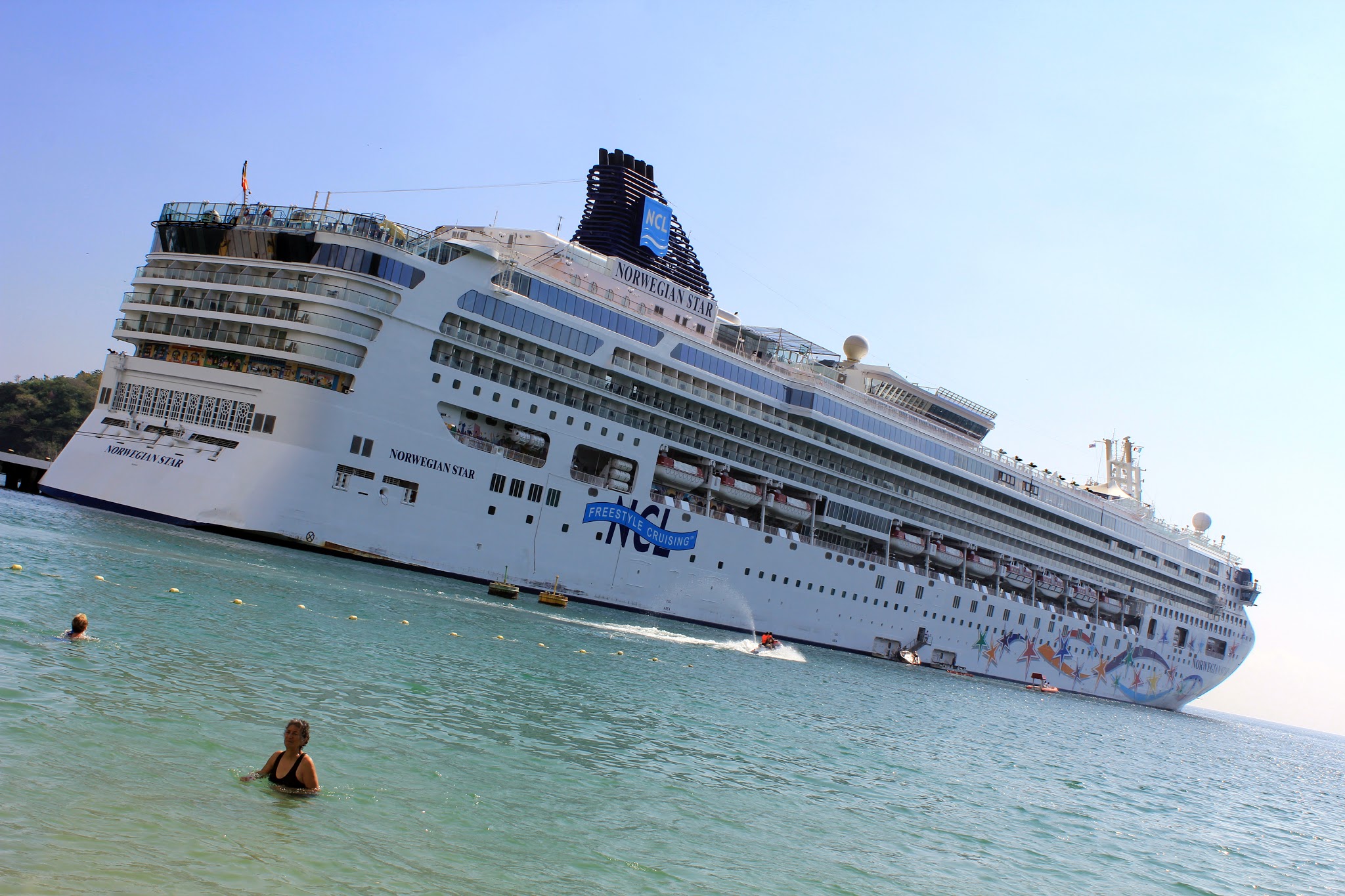
Norwegian Star in Mexico Photo Credit Dave Jones

Norwegian Cruise Line Holdings

Norwegian Cruise Line Holdings said its average cash burn in the second quarter was $200 million per month, higher than its guidance of $190 million driven by the announcement of additional ship relaunches in the company’s voyage resumption plan and the associated restart expenses.

“As for the third quarter, we expect our average monthly cash burn rate to increase to approximately $285 million as restart expenses accelerate with additional vessels entering service,” said Mark Kempa, executive vice president and CFO. “Restart expenses are primarily related to repositioning, provisioning and stopping of vessels, implementing new health and safety protocols and a measured ramp-up of demand-generating marketing investments.”

Carnival Has $7.9 Billion of Cash On Hand; 12 Months of Liquidity

Carnival Corporation Sending Carnival and AIDA Ships to China in 2017

Carnival Corporation said in a regulatory filing on Friday that as of July 31, 2020, the company had $7.9 billion in cash and cash equivalent balance available.

The nine-brand operation said earlier in July that during its pause in guest operations, the monthly average cash burn rate for the second half of 2020 is estimated to be approximately $650 million per month, which could give Carnival approximately 12 months of cash with ships out of operation.

Iata: ‘Widespread use’ of vouchers will accelerate cash burn

Iata: ‘Widespread use’ of vouchers will accelerate cash burn

The International Air Transport Association (Iata) has highlighted how the extensive use of refund vouchers will accelerate cash burn for airlines.

The association warned that the “widespread use” of vouchers in Europe is “one of the difficulties airlines will be facing as they are slowly moving towards restarting their operations”.

With the grounding of fleets in mid-March, as the pandemic crisis began to hit revenues, airlines opted to provide vouchers to passengers rather than immediate refunds.

“This proved useful in slowing down their cash burn and helped prevent bankruptcies,” reported Iata Economics in its latest Chart of the Week.

“However, airlines’ liability to transport these passengers was only deferred but did not disappear.

“A month after the easing of travel restrictions on intra-EU routes, we can already observe that passengers have used a large number of vouchers to pay for their travel.

“This means that airlines now incur the cost of transporting these passengers – against no or limited new revenues.

“Whilst the issuance of vouchers helped decelerate cash burn a few weeks ago, their use will now accelerate cash burn in the coming months.”

Iata also said the booking behaviour of passengers has changed “dramatically”, with 41% of global travellers booking up to three days before travel in June, compared to 18% last year.

“This makes it difficult for airlines to plan and optimise their schedules, crew and fleet,” said the association.

In April, Alexandre de Juniac, Iata’s director-general and chief executive, said airlines owed $35 billion for cancelled flights, so the use of refund vouchers would buy the industry “vital time to breathe”.

Last week, the Iata Economics chart showed how intra-Europe routes were leading the initial recovery in international flights after border restrictions were eased.

Most passengers were travelling to visit friends and family or going on holiday, rather than going on business trips.