Healthy Sail Panel Hopes to Have Plan By August 31 for Royal and Norwegian

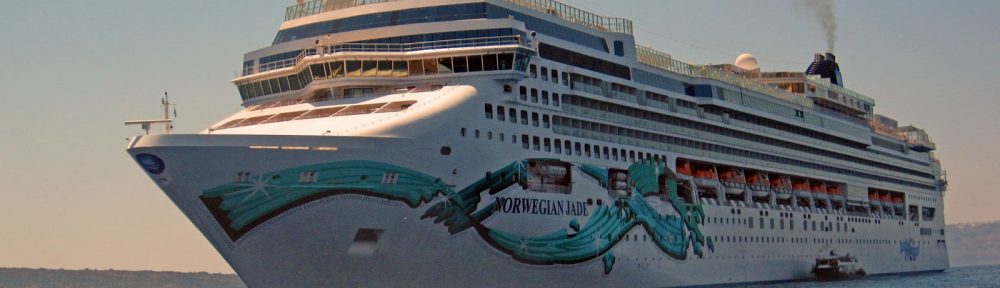
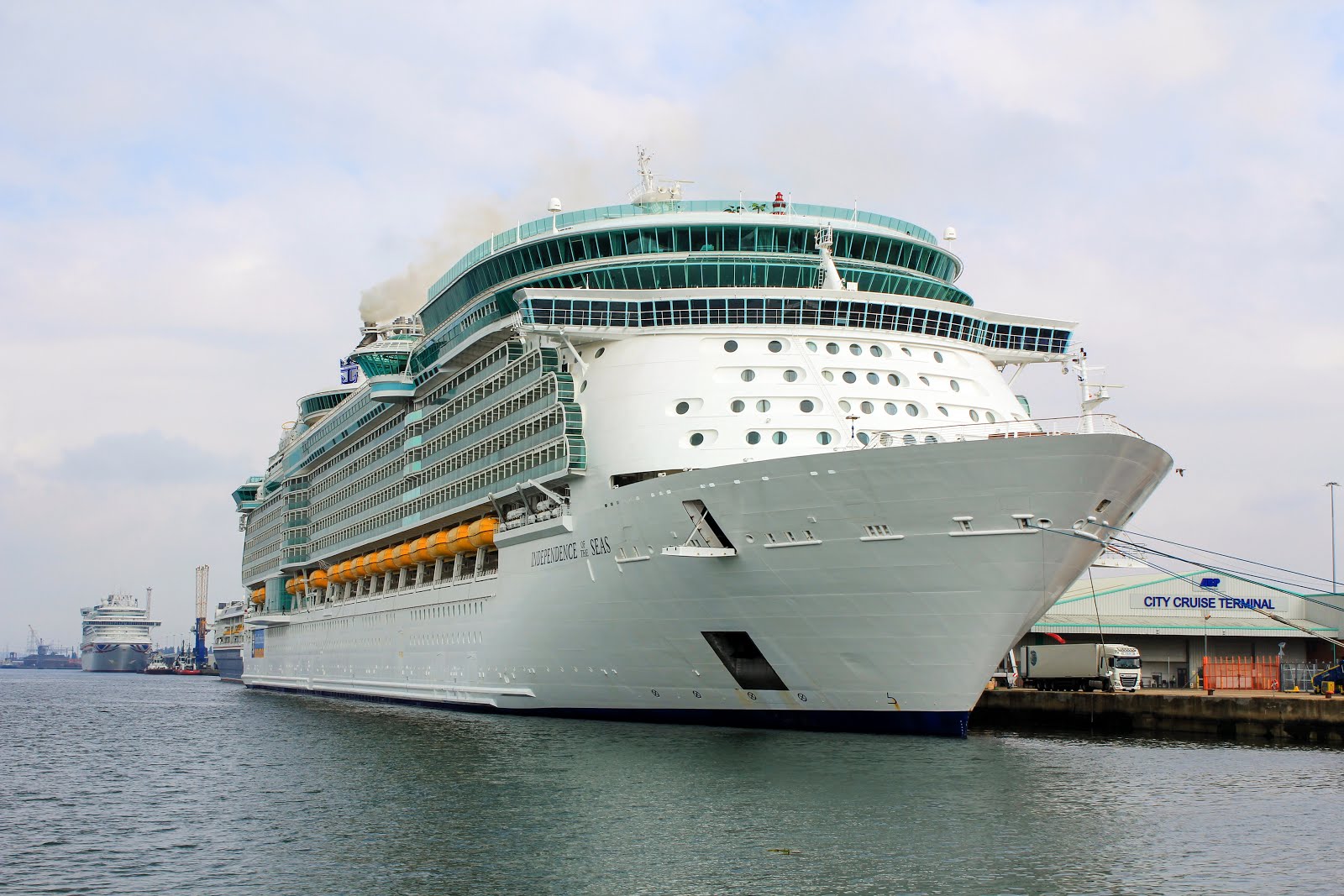
Norwegian and Royal Caribbean Ships in Nassau

The Healthy Sail Panel created by Royal Caribbean Group and Norwegian Cruise Line Holdings hopes to have its initial recommendations back to each company by the end of August, according to Vicki Freed, senior vice president of sales and trade support and service, Royal Caribbean International.

Suggestions will then be vetted by each company and presented to the CDC.

Working together with a rival cruise corporation, Freed said: “When it comes to safety and security, there is no competition. We need to work collaboratively as a team, as an industry.”

The 11-person panel is already hard at work and is looking at everything from a reduced capacity to staggered embarkation.

Of note, Dondra Ritzenthaler, senior vice president of sales and trade support and service, Celebrity Cruises, said the CDC has been invited to participate in an observatory role.

Added Carol Cabezas, vice president and COO, Azamara: “The work of the panel will be open-sourced … available to anyone that needs it at no cost.”

She added the panel’s work may be helpful to land-based entities from spas to hotels and restaurants.

“We have to think about the destinations as well, we are working very closely with governments and ports we visit all over the globe to establish plans and protocols for the safe resumption of cruising,” said Cabezas, adding that extends to tour operator partners to make sure a safe experience continues from ship to shore.

“The goal is to create an environment that mitigates risk to the greatest extent possible while the virus is (still) a threat.”

Buffet Not Going Anywhere at Royal Caribbean

Windjammer

“We will continue to have a buffet at Royal Caribbean,” commented Linken D’Souza, vice president of food and beverage operations, on a recent webinar aimed at travel agents.

The company’s iconic Windjammer venue, however, could look a bit different across the 26-ship Royal Caribbean International fleet.

Scenarios, said D’Souza, range from employee service to individual portions to individual (i.e.disposable) tongs, among many options.

“We’re continuing to work through a lot of the deals. Rest assured the buffet will exist,” he said.

“There will be (modifications) that ensure we have a healthy return to service,” continued D’Souza. “Your favourites and what you’re used to at the Windjammer will be there.”

The Windjammer has also gone through dramatic changes, even before COVID-19.

The big adjustments come in the breakfast lineup, now featuring an avocado toast bar, a carving station and improved bakery and pastry options.

Cruise lines are not resorting to rock-bottom pricing

Cruise Lines 2019 Q4 Breakdown: By the Numbers - Cruise Industry ...

By Johanna Jainchill

Cruise lines and Wall Street analysts report that cruise pricing, for the most part, has not gotten to the low levels seen after the fallout of the 9/11 attacks and the 2008 recession.

To be sure, there are deals out there, and some executives have said that Covid-era prices have fallen across the board — but not to the rock-bottom levels seen in prior crises. Execs, analysts and industry watchers have said this is primarily because demand is expected to exceed capacity, at least at first, because lines are likely to relaunch only a few ships at a time at reduced capacity.

“We note that since cruise lines are taking so much capacity out of service and not pricing to fill what is in service, they could potentially eliminate some of the lowest-margin demand that they might normally turn to when filling a ship,” UBS Analyst Robin Farley said in a recent note.

In discussing the strong pricing for 2021, Brad Tolkin, co-CEO of World Travel Holdings, agreed that reduced capacity was a big factor. “There will be a lot less of ships to top off within the last 90 days,” he said. But he also said that future cruise credits (FCC) the cruise lines have been using for cancelled 2020 sailings play a role.

“The cruise lines know they have these supersized FCCs out there; most are at least 25% more than the value of the cruise,” Tolkin said. “They have to keep pricing up to absorb that somehow.”

On top of that, he said that people who have the FCCs are upgrading.

“The people that took these FCCs said, ‘I love cruising, and I’m getting on a cruise; I’m taking the FCC,'” he said. “If they spent $3,000 on a cruise before, now they have $3,500, $3,600 to spend. They’re spending it and buying up.”

Vicki Freed, Royal Caribbean said that another reason why lines are holding the line on pricing is that they know that they will have lower occupancy and they don’t want to compromise quality.

“We know that initially, we’re not sailing at 100% occupancy and we’ll have to have lower load factors  I think all the cruise lines are planning that,” Freed said. “And we’re going to need to have more staff on board and still offer the quality people expect from Royal Caribbean. If suddenly we downgrade the product onboard people will say, ‘they’re not the same brand I thought they were ‘ So you do keep your price integrity up in order to fund what we need to fund.”

Freed also anticipated that people will pay more for experiences that include Royal Caribbean’s Perfect Day at CocoCay private island.

“It’s a safe, enclosed environment; it’s a private island, it’s got all the fun and thrill and chill that people want now,” she said. “I think itineraries with Perfect Day at CocoCay or our private island of Labadee will demand a better price.”

UBS’s Farley also said that, according to an executive from a privately-owned cruise line, he expects “only single-digit price declines” by keeping only the lowest-priced cabins empty.

“He believes that cruise lines will keep ships in various stages of warm and hot and cold layup so that they will be able to add ships into service without delay if there is demand,” Farley said.  “A month of notice is more than enough time to staff a ship and start operations. Airlift is not that much of an issue since the cruise lines can charter flights from the Philippines and Indonesia, for example, when they are ready to bring the crew back to a ship.”