Caribbean cruise pricing strengthens, analyst says

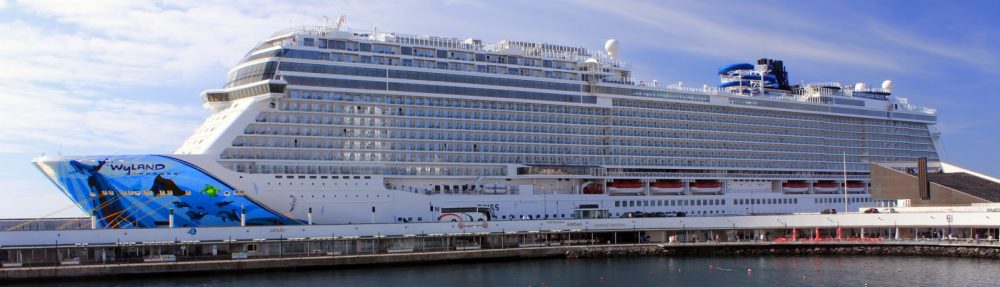
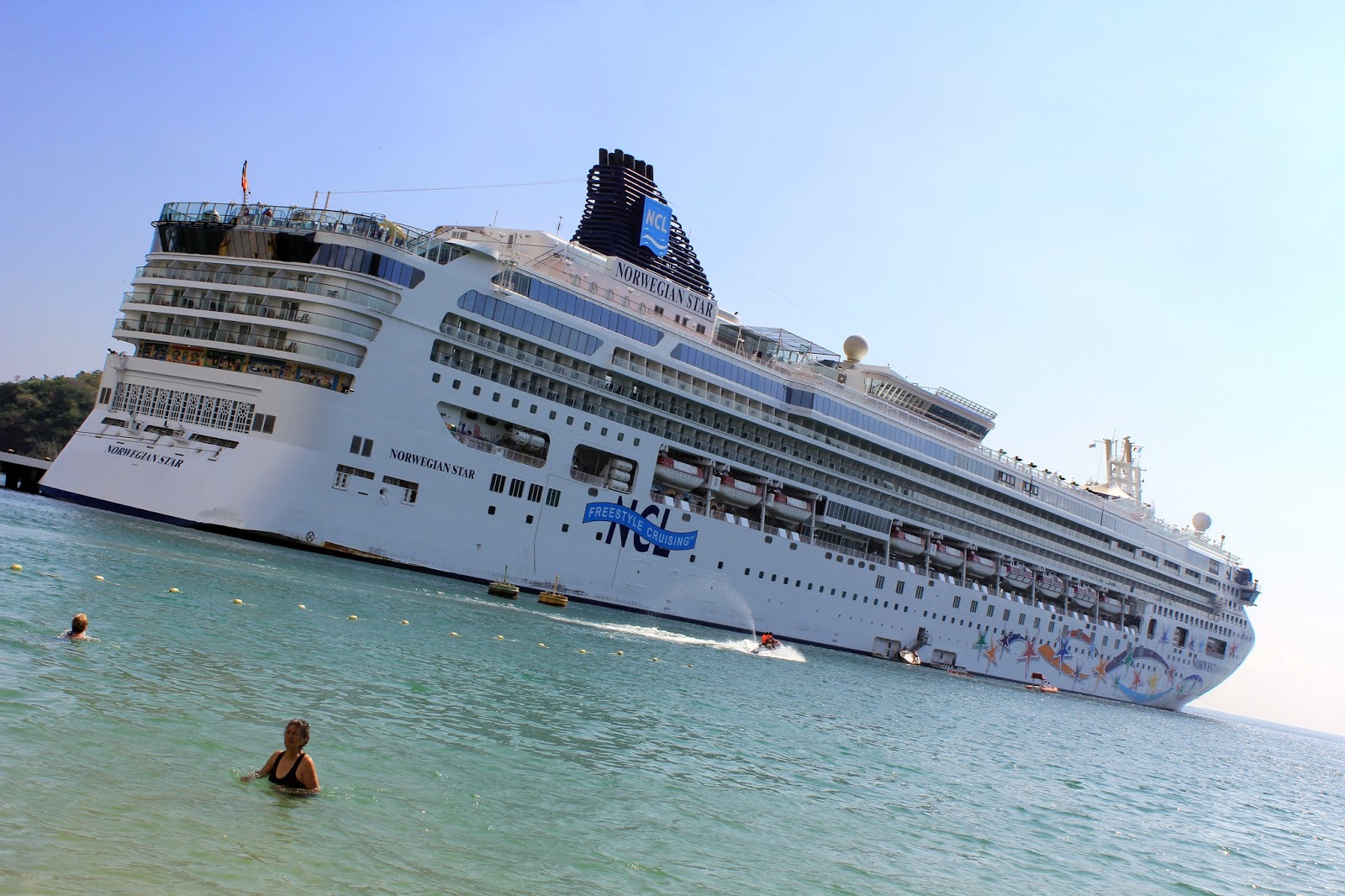
Norwegian Star in Cabo San Lucas By Dave Jones

Prices have substantially risen for cruises in the Caribbean, according to a survey taken by Wall Street brokerage Susquehanna Financial Group.

In a report published Dec. 14, analyst Rachel Rothman said first-quarter prices in the Caribbean are up 13.8% at Carnival Corp., 7.6% at Royal Caribbean Cruises Ltd., and 26.1% at Norwegian Cruise Line Holdings. Rothman noted that the comparison at Norwegian is skewed by the replacement of the Norwegian Pearl and Epic with the newer Getaway and Escape in the Caribbean.

For the second quarter, the survey showed Carnival’s Caribbean pricing is up 15.7 %, while RCCL and NCLH are down 5.8% and 6.6%, respectively.

In the Mediterranean, Carnival’s first-quarter pricing is up 23% but Norwegian Cruise Line is down 6.5%. The report noted that Royal Caribbean and NCLH’s Oceania and Regent Seven Seas brands don’t offer Med cruises in the first quarter.

Royal Caribbean seeks new terminal in Miami

Royal Caribbean Cruises Ltd. has started negotiations aimed at building a new $100 million terminal at Port Miami that would accommodate Oasis-class ships.

Specifications call for a 170,000-square-foot terminal with a berth of 400 meters, or about 1,312 feet. Oasis of the Seas is 1,186 feet long.

The specifications are in a memorandum of understanding to be considered by the Miami-Dade Board of County Commissioners on Sept. 16. If approved, the memorandum would become a roadmap for a final negotiation. The memorandum said the terminal is “assumed to become operational” by the end of 2018.

“By the nature of a memorandum of understanding, there is still a long road to go,” said Rob Zeiger, Royal Caribbean’s vice president of communications.

Royal Caribbean currently docks at Terminal G at the port, the closest one to downtown Miami. The new terminal would be built partly on a cargo area in the easternmost part of the port furthest from downtown. Designated Terminal A, it would be developed and owned by Royal Caribbean except for a small contribution from the county.

The agreement, which would last for a minimum of 20 years, calls for Royal Caribbean to pay an initial rent on leasing the land beneath the terminal for $9.5 million a year, or about $250 million over the life of the agreement, after annual escalators. The lease would have four 10-year optional extensions. A summary of the memorandum calls it a new model for financing terminals at the port.

“This deal structure is extremely attractive to the port because it transfers risk from the county to a private company,” said the summary, signed by Jack Osterholt, deputy county mayor.

The memorandum said that ever since Miami lost the deployment of Oasis and Allure of the Seas to Fort Lauderdale’s Port Everglades in 2009, the port has been talking with Royal Caribbean about ways to boost the number of passengers. Currently, that number is about 730,000 a year.

RCCL execs pleased with pricing-discipline policy

Royal Caribbean’s campaign to curb last-minute deep discounts is off to a good start.

So say top execs at Royal Caribbean Cruises Ltd., who had several things to say about what they’re calling Royal’s “price integrity policy,” in talking to Wall Street analysts last week.

Starting in March, Royal said it would stop filling its ships by offering very low prices within a month of sailing. Depending on the itinerary, Royal said it would stop discounting either 10, 20 or 30 days before the ship leaves the dock.

In an earnings call with analysts, Royal Chairman Richard Fain said the company was extending the policy in some cases to apply to bookings within 40 days of departure.

That is what is called incremental progress. If Royal sticks with it, there may be positive results for both Royal and travel agents.

Fain said that Royal is trying hard to be more consistent in its pricing, in part to keep travel agents in its corner.

“There’s probably one thing that frustrates the travel agents that we work with as much as anything else, [and it] is those late last-minute discounts,” he said. “And we can’t afford to frustrate them.”

A bit later in the call, CFO Jason Liberty raised a second reason why curbing the deep-discount cycle will benefit Royal.

“It’s really very important to the branding,” said Liberty. It lacks credibility, Liberty said, to contend that you are a brand that is high quality and has high respect in the industry — “and you can have us for half-price.”

“So the ability to maintain your image as a higher-quality product, which really has to permeate everything you do, is probably a big driver, as big a driver of our thinking as anything else,” Liberty said.

Fain said Royal recognizes that the policy is costing money in the short term. But Royal’s second-quarter earnings were up 34% from a year ago, so any losses are being offset elsewhere.

“It’s still early days, but the impact we have seen from a load factor perspective is relatively small, and it’s in line with our expectations,” Fain said.