A guide to social media advertising

Social Media By Carrie Finley-Bajak
Finding leads online, either by ranking in organic search results or from social media interactions, can yield results. However, it is often necessary to supplement marketing efforts by deploying social media ad campaigns to remain competitive.

The quest to stay relevant online takes effort. One way to keep a pulse on trends is to explore advertising options available on Facebook, Instagram, Twitter, Pinterest and LinkedIn.

Getting started: plan, buy, optimize

Social media ad campaigns don’t require long-term contracts, enabling travel professionals to stop ads at any time. Most channels will offer an option to pay for clicks or impressions.

Prior to spending money on paid or targeted advertising campaigns, make sure to have a keyword strategy. In general, try to stick with a list of three to five keywords to remain consistent. Search on Google for “keyword generator” to get ideas.

Buy targeted ads based on location, demographics and/or device type.

Optimize and analyze ad campaigns on a regular basis. Make sure to stay agile, making adjustments as necessary.

Social media ad channels

After a travel professional makes the decision to allocate time and resources to finding leads through paid advertisements, the next step is to figure out where to deploy ad campaigns.

• Facebook: According to Facebook, there are more than 1.4 billion people who use Facebook to connect with what matters to them, and more than 900 million visit every day. At the end of July, Facebook reported that ads brought in $3.8 billion in advertising revenue for the three-month reporting period that ended in July. As far as social networking sites go, Facebook is a great option for travel agents looking to get started with a social ad strategy. Ads can appear in news feed on a desktop, news feed on a mobile device and in the right column of Facebook on a desktop.

Facebook does a great job collecting information about people. Take advantage of this data and target ads according to location and interests.

With Facebook Ads, travel sellers can create targeted ads to reach different audiences while meeting business goals. Among the things you can do are: build ads that promote clicks to your website, create ads that increase video views, create offers for prospects to claim and increase attendance at a special event, product launch or cruise night.

To learn about Facebook Ads, visithttps://www.facebook.com/business/products/ads.

• Instagram: Although still in its infancy, Instagram recently opened up its ad platform to all companies in 30 countries.

The service is evolving, and the company recently announced it was launching more ad products to use on Instagram. One thing definitely worth trying on Instagram are carousel ads, which are a compelling way to tell a brand’s story.

Create and target advanced Instagram ads based on custom audiences, look-alike audiences, Facebook categories and partner categories. Facebook’s Ads Manager is the easiest way for small businesses to start running ads on Instagram.

To learn more about Instagram for business, visithttps://business.instagram.com/advertising.

• Twitter: Whether you’re looking for more followers or website traffic, Twitter ads might be a good option.

To make the most of Twitter ads, make sure to understand where potential leads spend their time on the service. For example, one way travel agents can generate leads is by using promoted tweets during travel-related Twitter chats. (For a list of weekly chats, visit www.travelogx.com/chat.) Another way is running ads on popular hashtags.

There are three kinds of Twitter Ads. 1) Promoted tweets (with or without an image or video) are messages like an announcement of an upcoming product release, a sale or an event you’re hosting; 2) A promoted account is an ad that invites targeted Twitter users to follow your brand; and 3) Promoted trends are leverage time-, context- and event-sensitive trends promoted by Twitter’s advertising partners. These paid, promoted trends appear at the top of the trending topics list on Twitter and are clearly marked as “promoted.”

Like most platforms, Twitter enables you to target your ads based on location, gender, languages, interests and devices.

To learn more about Twitter ads for business, visit https://biz.twitter.com/ad-products.

• Pinterest: Ads on Pinterest consist of “promoted pins,” which refer to content that will appear in search results. As with other pay-for-click models, a travel professional will only pay for promoted pins when a viewer clicks on or otherwise engages with an ad. There is no minimum cost to run an ad campaign. Instead, it varies based on targeting audience and bid amount.

Pinterest wants promoted pins to be among some of the best pins members see on the social network. According to Pinterest, ads should contain “beautiful, actionable and interesting” content. Before getting started, make sure to review Pinterest’sadvertising principles and rules.

In May, Pinterest offered a new motion-based mobile ad format called cinematic pins, which are a nice way to enhance storytelling for a brand.

To learn more about advertising on Pinterest, visit https://ads.pinterest.com.

• LinkedIn: For B2B networking and to access affinity groups, advertising on LinkedIn can raise brand awareness, build relationships and drive quality leads.

LinkedIn Ads enable travel advisers to create and place ads on prominent pages on LinkedIn.com. Target which LinkedIn members view ads by selecting a target audience according to job title, job function, industry, geography, age, gender, company name, company size or LinkedIn group. Advertising costs are controlled by setting a budget (paying only for clicks or impressions). LinkedIn ad formats include text and image ads, video ads or text-only ads.

To learn more about advertising on LinkedIn, visit www.linkedin.com/advertising.

Best practice tips

  • Set your advertising goals first. Create both daily and lifetime budgets for your campaigns. Ask suppliers for co-op money to help offset the costs associated with running ad campaigns.
  • Understand the types of actions available from social ads. Are you looking for an increase in reach, followers, engagement or website traffic?
  • Choose targeting keywords that make sense for ads while adhering to an agency’s brand standards and travel niche.
  • Use A/B testing to see what ads perform best. A good rule of thumb for independent contractors is to use variations of popular posts from individual accounts to reduce costs associated with market testing.
  • Analyze data to determine what time of day consumers are engaging with ads, then target leads when they are most active online.
  • Don’t be shy. Interact and engage with leads who respond to ads.
  • Think global, but deploy local. Take advantage of ZIP code-targeted ads to promote travel products to niche communities.

Staying on track and ahead of the curve

By Carrie Finley-Bajak
When it comes to social media strategy, it’s not OK to turn on cruise control: If a reset is in order, take one. Granting yourself a do-over can actually refresh stale campaigns and force you to break bad habits. Here are some ways to keep your social media marketing on track for success.
Stay focused on your goals

It’s easy to get caught up in the buzz when it comes to social media. While I enjoy learning about new trends in digital marketing, I have to remind myself to stay focused on growing my business.

Using Google Analytics, Facebook Insights and reports from social media analytics companies like Simply Measured helps me leverage data to identify opportunities and to optimize activities.

My overall goal is to use social media to get visitors to my website. Almost all of my social media updates and campaigns fit my keyword strategy, and if I am doing my job right, then promoting my brand yields a measurable increase in fans and followers and a rise in website traffic.

Besides building brand awareness and increasing a fan base, social media can be used as a tool for prospecting, lead qualification and customer service.

To get leads on social media, it takes time and a commitment to consistency. A steady stream of product announcements does not perform well on social networks. Instead, focus on showcasing expertise and experience. Use different types of content formats to capture attention.

Using supplier resources can be a time- saver and a way to get new ideas for what to post on social media.

Ken Muskat, executive vice president of sales, public relations and guest services at MSC Cruises USA and chairman of CLIA’s Trade Relations Committee, reports that MSC Cruises continues to provide the most updated promotional tools on its agent website.

Within the marketing tools section is a social media tab offering ready-made tweets and Facebook updates based on the cruise line’s latest news and promotions.

Grow with social media marketing

Social media messaging should include a robust mix of unique calls to action that drive visitors to click on links to your website, where visitors can subscribe to your mailing list or find a number to call for more information.

Make sure you have a system to monitor and track leads from social media.

Even social media-savvy agents with an established presence on social media need to keep abreast of current trends to remain relevant.

One of the key findings in the 2015 Social Media Marketing Industry Report published by Social Media Examiner was that marketers still value Facebook and even though a large number of respondents use Facebook, 68% want to learn more about it and 62% plan to increase Facebook activities.

If you are one of the estimated 40 million small businesses using Facebook to promote your brand and to connect with customers, fighting for attention is a constant challenge.

A lot of people are looking for creative ways to generate leads without paying for Facebook ads.

In an article posted on Forbes.com, social marketing consultant and writer Jayson DeMers wrote “50 Free Ways to Increase Your Facebook Page Likes.”

Some of the highlights from Jason’s article include the following tips:

  • Use images as a regular part of your Facebook content strategy.
  • Engage with other pages in your niche through leaving “thoughtful comments in response to other people’s posts.”
  • When leaving Facebook comments, post as your page rather than from your personal profile.

If your Facebook page has been on cruise control, go back and refresh the about section, and add relevant events and detailed descriptions to photos.

In Travel Weekly’s Focus on Social Media article, there was a great example of an agent’s Facebook page that can inspire you to revamp lackluster Facebook pages.

Jill LaBarre’s page, Jill’s Great Escapes, has incorporated all the elements that will increase the chance of getting leads. I am impressed by the “book now” call-to-action button that drives leads to her website as well as the use of custom tabs to get leads to “register to win a trip.” Jill also has leveraged the events tab to highlight her upcoming trips — three excellent examples of how to leverage Facebook.

Another Facebook feature that you might not know about is the ability to auto-schedule updates. This time-saver could be enormous help to agents who can set aside a few hours a week to schedule Facebook updates. Find out more at the Facebook Help Center.

Twitter is another social media platform that generates a lot of buzz. For travel sellers, Twitter is a good place to engage with suppliers, network with other agents and stay current on industry news.

There are ways to get leads on Twitter, but I would recommend getting comfortable with the platform before investing in Twitter ads.

I get that Twitter is not for everyone, but according to the Social Media Examiner survey, marketers indicated it as an area where survey responders planned to increase their use.

At a minimum, Twitter accounts should be established and a header image and description with a link to an agent’s website should be set up.

There are many ways to use Twitter. For example, Travel Weekly hosts a live Twitter chat every month about trending topics in travel. We use the #TWchats hashtag to promote and engage with industry insiders, including agents, suppliers and influencers.

I would suggest getting started and using the list feature to help create customized streams specific to your niche. For example, create a list of your preferred suppliers to quickly see their posts.

The advanced search feature enables users to create custom searches based on keywords and variables like location.

Best in show

These are my favorite tweets from June’s #TWchats about social media best practices within the travel industry:

Larry Pimentel admits to using social media to find “a unique luxe wellness lodge in #NewZealand called @SplitApple.” The CEO of Azamara Club Cruises added in his tweet, “Travelers loved the experience. So did I.”

Catherine Heeg: “I really like Pinterest as you can organize your photos and message boards and pins to clients.”

Seiche Wave: “A great social media campaign stimulates dialogue, attracts new followers and increases new visitors to all associated sites.”

Video

No conversation about social media marketing is complete without mention of video.

Whether an agent uses a smartphone, digital camera or expensive video recorders, we know that videos capture the attention of people on social media.

  • Anyone can set up a YouTube channel, and a lot of suppliers will give you permission to upload their content onto your agency’s branded channel.
  • Instagram has a video-sharing feature as well as Vine, which can be easily shared on Twitter.
  • Facebook allows users to directly upload video. Pinterest allows users to “pin” videos, and your website should have a blog where you can easily embed videos to leverage content.

German cruise line introduces social media access fee

German line AIDA Cruises is introducing a flat fee for internet access to social media networks on board its ships.

Passengers will be able to share their experiences on board with friends on social networks, such as Facebook, Twitter, Instagram or WhatsApp for €4 a day or €19 a week.

AIDA claims to be “dramatically increasing” the bandwidth and speed of internet connections in addition to the new social media flat rate.

New internet packages to be introduced soon will allow unlimited access rather than be based on minutes of use.

Three options will be available with packages costing €25 for 250MB, €39 for 500MB and €99 for 3 GB of access.

Thomas Pfitzer, chief technical officer at the Carnival Corporation-owned line, said: “The use of mobile devices is continuously growing. We want to accommodate this trend and are offering our guests an additional service with the flat rate.

“With these package offers, we help keep the costs of satellite-based internet connections at sea reasonable and calculable for our guests.”

Six ships in the fleet will be equipped with enhanced internet access by next month, with completion due by November.

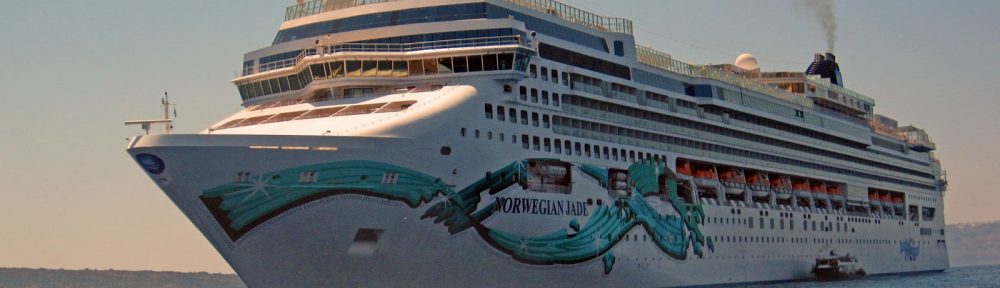
The new internet packages and fees will be part of the standard offering on new flagship AIDAprima (pictured).

Passengers who book internet packages in advance through the MyAIDA portal will receive a 5% discount.