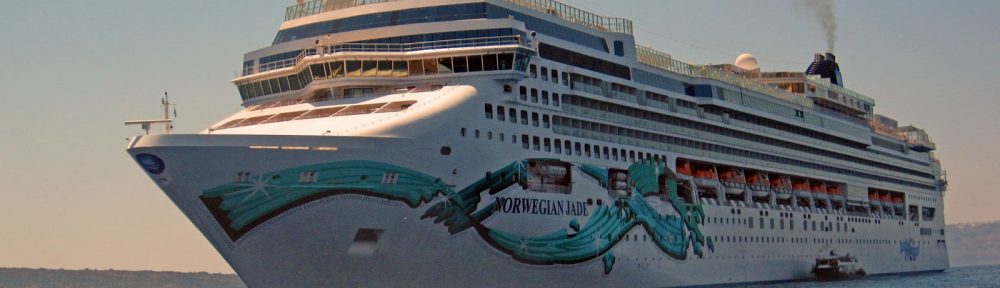
Coronavirus: Cruise lines adopt strict new screening measures

Image result for CLIA

Passengers face the prospect of being denied boarding onto cruise ships due to enhanced screening measures being adopted by global cruise lines in response to the spread of coronavirus.

The new policies have been outlined by cruise industry body Clia.

The association said: “With strict measures in place, as guided by national and international health authorities, Clia and its member lines, in concert with pronouncements from the World Health Organisation, do not believe restrictions on the movement of ships are justified.”

Clia president and chief executive Kelly Craighead added: “The adoption of these measures further demonstrates the cruise industry’s unique ability to respond quickly as circumstances evolve.

“We remain in close contact with local governments around the world, and while we regret that these changes will result in the denial of boarding for some of our guests, travellers should know that their health and safety is the absolute priority for the industry.”

Under the changes, ships will deny boarding to anyone who has travelled from, visited or transited via airports in South Korea, Iran, China, including Hong Kong and Macau, plus areas in Italy under lockdown within 14 days prior to embarkation.

Lines will also conduct illness screening for people who have travelled from, visited or transited via airports in any destinations listed on the US Centers for Disease Control and Prevention (CDC) coronavirus disease list page within 14 days before embarkation.

“Illness screening includes symptom history checks for fever, cough and difficulty breathing in the 14 days before embarkation and taking of temperature,” Clia said.

Passengers will also be denied boarding if they have had contact with, or helped care for, anyone suspected or diagnosed as having the virus or who are subject to health monitoring for possible exposure to Covid-19 within two weeks prior to sailing.

Companies will conduct pre-boarding screening “necessary to effectuate these prevention measures”.

Enhanced screening and initial medical support will be provided to anyone exhibiting symptoms of suspected coronavirus.

The association added: “In co-ordination with cruise lines, medical experts and regulators around the world, Clia and its member lines will continue to closely monitor for new developments related to Covid-19 and will modify these policies as necessary with the utmost consideration for the health and safety of passengers and crew.
Coronavirus: Cruise lines clamp down on China carryings

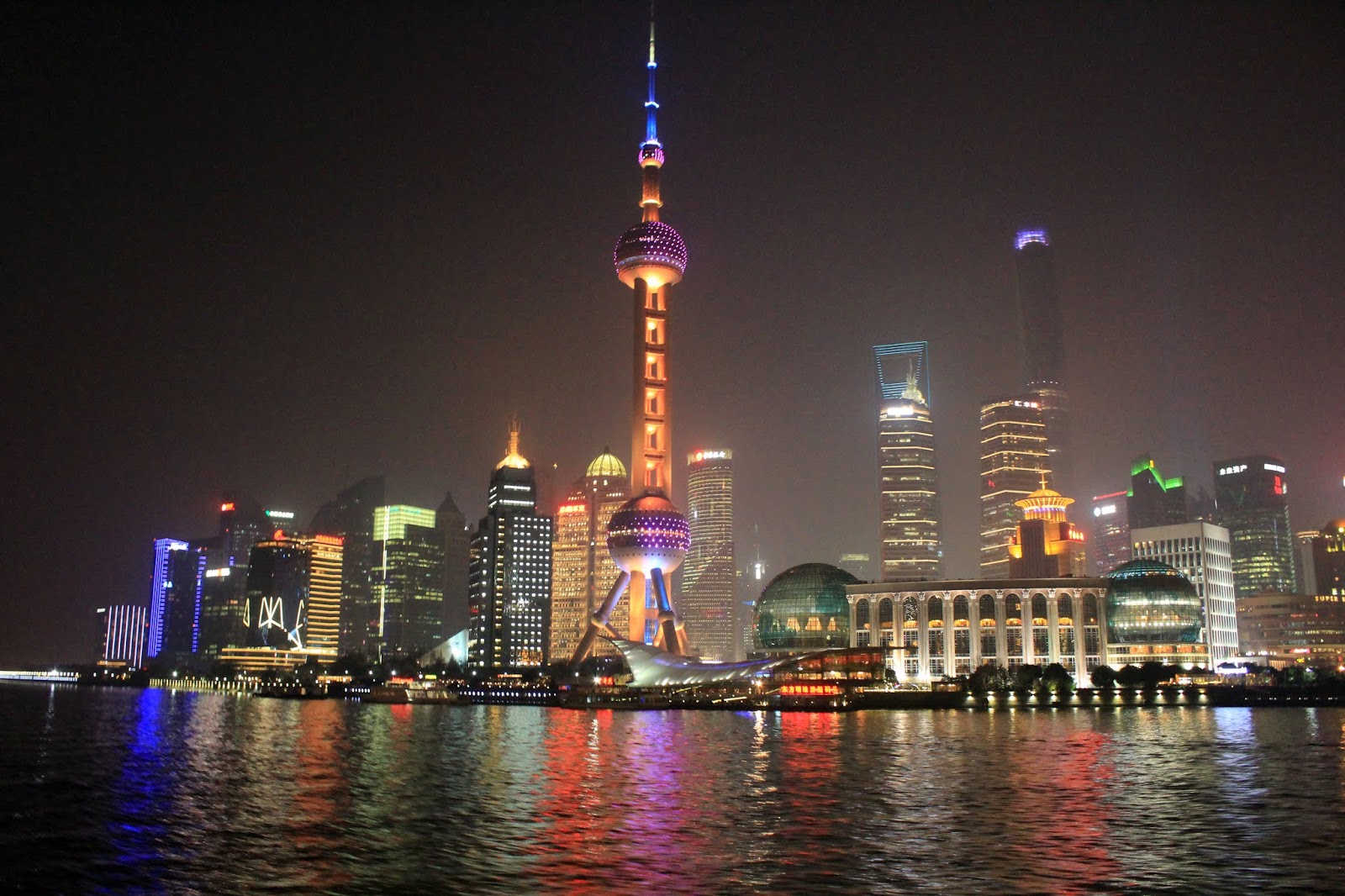
Shanghai at night, photo credit Dave Jones
Cruise lines will deny boarding to passengers and crew who have recently been in China as cases of deadly coronavirus grew.

More than 17,000 cases of the virus have been confirmed and 361 deaths in mainland China alone.

There are more than 150 confirmed cases outside China, including two in the UK, with the first death reported in the Philippines.


Cruise trade body Clia announced the clampdown on Friday, denying boarding to those passengers or crew who have travelled from or through mainland China in the previous 14 days.

A number of cruise ships have already cancelled China sailings and altered Asia itineraries, including departures from Shanghai.

The association said: “Clia and its member lines maintain close contact with health professionals and regulators around the world, including the World Health Organisation, and are continually assessing and modifying policies and procedures as developments emerge.

“This includes the modification of itineraries, where needed, in light of evolving circumstances, as well as health, travel and contact screening where appropriate, for guests and crew who have recently travelled from or through the affected area consistent with prevailing guidance from global health authorities.

“Screening protocols allow for informed decisions on a case-by-case basis whether a guest or crewmember will be denied boarding.

“Clia members have suspended crew movements from mainland China and will deny boarding to any individual, whether guest or crew, who has travelled from or through mainland China within the previous 14 days.

“Importantly, the cruise industry is one of the most well-equipped and experienced when it comes to managing and monitoring health conditions of passengers and crew.

“Cruise lines take precautions to conduct passive as well as active screening of passengers and crew for illness prior to boarding when circumstances demand.

“Furthermore, Clia members implement outbreak prevention and response measures and their ships must be fitted with medical facilities, shipboard and shore side medical professionals available around the clock, 24/7, to provide initial medical care in the event of illness and prevent disease transmission.”

Special Report: Cruise ships face emissions challenge

Image result for cruise ship smoke stacks


Shipping lines must comply with new global emissions controls. Ian Taylor reports

All ships over 400 tonnes became subject to International Maritime Organisation (IMO) limits on sulphur emissions from January 1.

These cut the permissible sulphur content in ship fuel outside designated emission control areas (ECAs) from 3.5% to 0.5%. The limit remains 0.1% in these control areas – the Baltic Sea, the North Sea, North American coastal waters and the ‘US Caribbean’.

The cruise industry accounts for just 1% of the shipping and 2% of global outbound travel but claims to be at the forefront of cutting emissions.

However, the shipping sector has moved painfully slowly. The January limit on emissions of sulphur oxide – a toxic by-product of heavy fuel oil – was agreed in 2008.

Cruise association Clia announced last year that its members were “well on the way to full compliance”.

However, the IMO warned of “price volatility” until “supply and demand find a balance” with the marine oil required to replace the heavy fuel oil commonly used by ships costing up to 50% more.

There are concerns about supply and about inconsistent enforcement, given the IMO limit is policed by ports and ‘flag states’ – the countries where ships are registered.

Broadly, there are three ways of complying – switching to marine fuel oil, investing in liquified natural gas (LNG) technology or installing exhaust cleaning systems.

There are serious issues with all three.

Switching to marine diesel cuts the sulphur content but the fuel still contains many times more pollutants than vehicle diesel. Ships must also beware of mixing fuels which can be unsafe.

Using LNG cuts sulphur emissions almost entirely and nitrogen oxide by 85%. Clia suggests 25 ships or about 12% of the global total could be using LNG by 2025. But the primary component of LNG is methane, an accelerant of global warming.

There are also limits to LNG infrastructure, with fuelling stations only slowly being established in Europe.

Exhaust cleaning systems or scrubbers enable ships to continue using heavy fuel oil by removing the sulphur – dissolving it in seawater which is returned to the ocean as sulphuric acid or held on the ship to be disposed of on land.

Royal Caribbean Cruises vice-chairman Adam Goldstein has said: “You inject tremendous amounts of water into the exhaust and it takes the sulphur away. That is our principal strategy.”

Clia reported in September that more than 68% of global capacity would utilise scrubbers. But China, Hong Kong, Singapore and some Caribbean islands have banned the release of water from scrubbers and there is a call for a worldwide ban.

Cruise lines also try to cut emissions in port by using shore-side power. But only 16 ports offer this – and only three outside North America.

Shipping sector leaders agreed in December to establish a $5 billion fund for research and development into cutting emissions, with the aim of developing zero-carbon emission ships by the 2030s.

Companies would make a $2 contribution for every tonne of marine fuel they purchase from 2023 if governments back the proposal at a meeting in London in March.