Carnival to Drydock 32 Ships by 1H 2016

Carnival to Drydock 32 Ships by 1H 2016
By Greg Trauthwein
File (Photo: Carnival)
(Photo: Carnival)

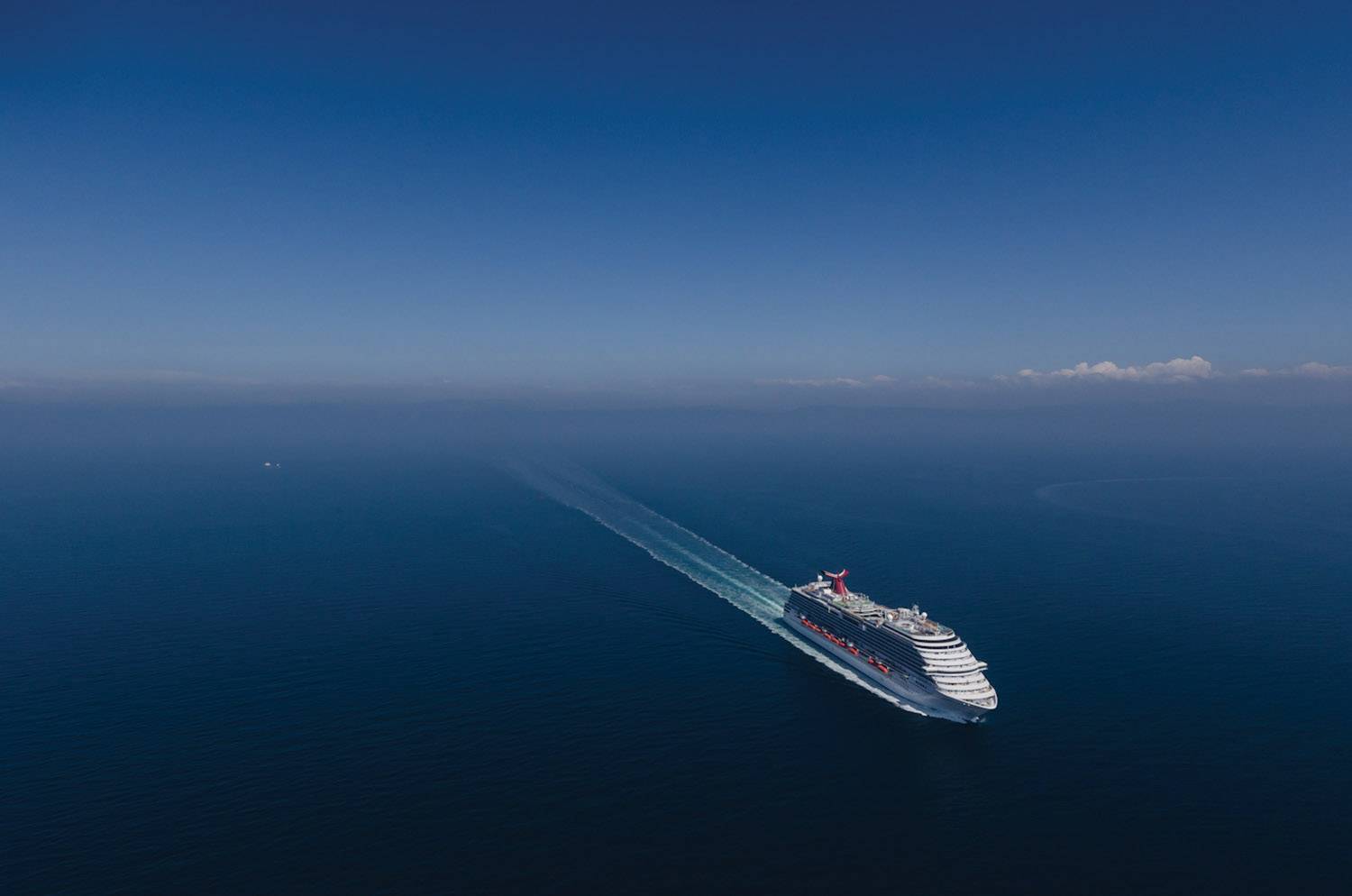
In the quest meet stringent new emissions regulations, cruise industry major Carnival Corp. earlier this month reached an agreement in principle with the U.S. Environmental Protection Agency (EPA) and Coast Guard to develop its own advanced emission control technology to be used in waters surrounding U.S. coasts. The plan calls for the cruise major to drydock 32 ships between now and the first half of 2016.

According to the EPA, Carnival will develop and deploy a new exhaust gas cleaning system on up to 32 ships over the next three years to be used in Emission Control Areas (ECA’s), the area around U.S. and Canadian coasts where ships must reduce air pollution emissions.
The new controls to be developed and deployed combine the use of sulfur oxide (SOx) scrubbers with diesel particulate filters, which essentially combines technologies well known in the power plant and automotive sectors, but not previously used together on a marine vessel.
The technology can also provide additional benefits in the reduction of particulate matter and black carbon, and according to the release from the government, will provide an opportunity for ECA compliance at a significant (50% or greater) reduction in cost and may yield emission reductions beyond those required by current requirements.

The ECAs were developed by the U.S. and Canada through an agreement with the International Maritime Organization  (IMO) in order to protect human health and the environment by significantly reducing air pollution from ocean-going vessels. By 2020, ECA limits will reduce nitrogen oxide (NOx) emissions by 320,000 tons, particulate matter (PM) emissions by 90,000 tons, and SOx by 920,000 tons. Each year, the standard will also result in the prevention of tens of thousands of premature deaths while relieving respiratory symptoms for nearly five million people.
This announcement follows a growing trend, as in late 2012 U.S. containership owner TOTE announced its plans to build a series of high-spec ships at NASSCO that incorporated MAN Diesel & Turbo engines capable of burning LNG as fuel.
A joint letter from the Coast Guard and the U.S. EPA to Michael Kaczmarck, Carnival’s VP of Shipbuilding, said: “Under the proposed trial program, Carnival will install exhaust gas cleaning systems for engines on 32 vessels that operate in the ECAs, and those systems will help enable the vessels to meet or exceed the sulfur emission levels required within the ECAs. We understand that Carnival will install sufficient exhaust gas cleaning capacity on each of the ships to meet or exceed the 2015 ECA fuel sulfur requirements. Additionally, these exhaust gas cleaning systems will be installed during vessel drydocks on the following schedule: 9 ships in 2014; 16 ships in 2015 and 7 ships in the first half of 2016.”

A Letter from Adolfo Perez – MD, Carnival Cruise Lines UK & Ireland


21 February 2013

Dear Valued Travel Partner,

We realise many of you have been following last week’s events on the Carnival Triumph and I wanted to take this opportunity to provide you with some information.

Let me begin by saying that all of us at Carnival deeply regret the hardship our guests had to face during their days on board the ship. Our number one concern was to ensure the safety and welfare of our guests and crew and to get them home as soon as possible. Our shipboard and shore side teams worked tirelessly to take care of them and minimise their discomfort and inconvenience. We also focused on making sure their loved ones had a direct link to our Family Support Centre where they could obtain round the clock information on their family and friends on board.

Now that all the guests are safely home, our efforts are firmly focused on the on-going investigation into the root cause of the fire and what measures we can take to ensure this does not happen again. These efforts are taking place in collaboration with the U.S. Coast Guard and other independent parties. We know, however, that preliminary investigations indicate the cause of the fire was the result of a leak in the fuel return line for the number 6 diesel generator.

The safety and security of our guests remains of the utmost importance to all of us here at Carnival. All our ships are safe and secure. All of them meet, and in many areas exceed, all regulatory standards. I promise we will continue to investigate in order to understand what took place and to learn what steps we can take to improve going forward.

We know that holidaymakers can choose from a vast variety of options, and that they – and you – expect a fantastic cruise holiday from us. We are very sorry that this time we did not deliver.

I really value your support for Carnival Cruise Lines, and in encouraging British holidaymakers to select a cruise on our ships. We hope you will continue to do so in the future, and we will endeavour to do everything we can to make our experiences as memorable and fun as possible for your customers.

Thank you again for your support.

Yours sincerely,

Adolfo M. Pérez
Managing Director, UK and Ireland

Carnival Cruise Lines
© 2013 Carnival Cruise Lines

Coast Guard cites fuel-line leak in Triumph fire

Coast Guard cites fuel-line leak in Triumph fire

By Tom Stieghorst
A leaking fuel line was cited by Coast Guard officials as the likely cause of the engine-room fire that disabled the propulsion of the Carnival Triumph.

Fuel leaked from the return line of the No. 6 engine and ignited when it hit a hot surface, Lt. Commander Teresa Hatfield said in a telephone news briefing Monday.

According to published reports, Hatfield said the crew put out the fire “immediately” and it was contained to a small area.

Hatfield, who leads the Coast Guard’s Marine Casualty Investigation Team in New Orleans, said firefighters “did a very good job.”

The Bahamas is leading the investigation of the Carnival fire. The Triumph is registered in the Bahamas.

Hatfield said the Coast Guard expects to finish its onboard work by the end of the week and estimated the investigation would take at least six months.