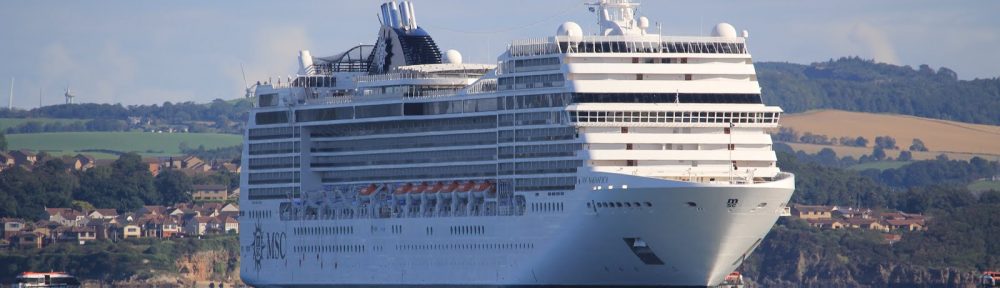
Triton would have stopped cruise cuts, says Freudmann
Steve Freudmann, also a former Abta president and now ITT chairman and chief executive, said the now defunct Triton would have acted as a powerful force in opposing the cuts.
The super-consortium was formed by Advantage, Worldchoice and Global in the wake of Tui’s decision to cut commission to 7%, announced at the Abta Travel Convention in Marrakesh in 2009.
Tui eventually had to reverse its decision, but the group fell apart acrimoniously due to what was described as a clash of personalities within the Triton board.
Speaking to Travel Weekly on Wednesday during filming ahead of this year’s annual Barclays Corporate Travel Forum, Freudmann said:
“Had Triton still been in existence the reduction in cruise commission would not have taken place and we would not have seen some of the problems we have seen in recent years.
“Unfortunately it [Triton] fell apart due to personality clashes around the board table.”
Reflecting on the Triton era this week after he announced his retirement from Advantage, John McEwan said there were ideological differences of opinion.
“Triton did not work for different reasons. There were differences of opinion in how to lead things.
“George Begg (the Global owner) was clearly interested in optimising performance of the company for himself.”
Freudmann accepted Begg did have personal commercial motivations for making Triton a success but that these were shared by the entire membership.
 “George was trying to maximise the value of his company but to do that he had to maximise the benefit for all of the members that formed part of the overall company.
“Yes, it would benefit George, he owned the thing, but ultimately we all had the same interests at heart but we could never see eye to eye.”
In the aftermath of the Triton fall out Global’s Australian owner Stella Travel Services was linked with buyouts for Worldchoice and Advantage, which unlike Global were both owned by their agent members.
However, The Travel Trust Association swooped for Worldchoice and the deal was finalised in October 2008 as Advantage officially left Triton. McEwan was chairman of Triton at the time.
McEwan said: “We [Advantage] have had approaches along the way but when I evaluated those offers with the board we came to the conclusion that there was insufficient value available to make it attractive for each member.
“It was felt we were in a position of strength. We were already the largest consortium by some distance. Members were really happy with what they were getting at the time and a one-off cheque for their shares was quite transient.”
Both McEwan and Freeudmann agreed that since the Triton days the consortia have become far less cut throat in terms of competing against each other and have developed in different ways.
“When I came in you had three groups all vying with each other for members. There was not the gap then that there is today.
“We have become different, we have a much more diverse mix of members. Global has a different model and Worldchoice has been subsumed in to the TTA. It retains its brand but the closure of the Peterborough office is a real break with the past.
“Advantage has a powerful corporate travel membership and in lesisure we have got a much different mix. We have all the big players in the UK like Barrhead and Dawson and Sanderson and we have lots of individual location members as well.
“Other consortia have large members but by and large the majority are smaller retail members.”
Freudmann said the consortia no longer see each other as major competitors. “They see the independence of the consumer as being their biggest challenge rather than the guy across the road [other consortium] because the guy across the road is having the same problems and challenges.”
 “Clearly, that relationship is predicated on us giving them competitive compensation to produce business for us,” he said. “If they don’t feel we’re giving them a fair shake on compensation, they may love us and our products, but they’re going someplace else.”
 Wetravel2u's Weblog