
Portugal’s Navalrocha Shipyard said that it is continuing its “robust performance” through the ongoing COVID-19 pandemic with a “steady pipeline of work through to 2024.”
According to a press release, the first six months of 2021 have involved a series of stand-out drydock projects – involving general cargo vessels, tugs, passenger ferries, bunker tankers, Ro-Ro Pax vessels, LPG carriers and cruise vessels.
Navalrocha Commercial Director Sergio Rodrigues said order volumes are even outweighing comparative levels at the mid-year point over the last three years, with close to 50 tenders now completed. The yard also expects to break the 100-tender barrier before year-end, marking its busiest spell since 2017.
“Throughout the last 18 months, our team and wider supply chain have demonstrated immense commitment and dedication, remaining steadfast in their service,” said Rodrigues. “As a result, we have been able to deliver a consistently robust response, rewarding the trust continually placed in us by our loyal client base. The outlook for the remainder of 2021 is looking very promising with several high-profile bookings already placed for summer and autumn involving bunker vessels, tugs, cement carriers and naval hydrographic survey vessels to name a few.”
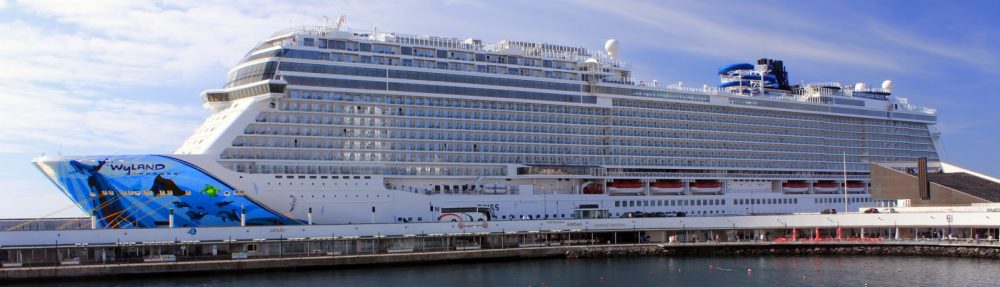
Rodrigues noted that Navalrocha is also seeing a “resurgence in cruise sector work with a string of projects placed over the next 24 months.”
Navalrocha said that it opened its account in 2021 with a four-day project involving the Ponta do Sol general cargo vessel, owned by Transinsular, involving work to propeller blades and refitting seals.
The short job was followed by the completion of an extensive project involving the Ulisses tug vessel, owned by Reboport. This vessel underwent a major conversion involving the removal and reintegration of two Wartsila main engines with further work to auxiliary engines, amongst a broad package of repairs.
In February, the yard welcomed Atlantic Ferries passenger vessel Roaz Corvineiro for a 25-day reclassification project involving extensive blasting, painting and mechanical work. Later in the month, two MM Marine vessels arrived for separate 14-day drydocking as part of continued BWTS installations across the company fleet. Both the Halki and Anafi bunker tankers were fitted with new Ballast Water Treatment Systems, before undergoing blasting, painting, steel, mechanical and piping work.

By the spring, Transinsular booked the recently converted Dona Tututa Ro-ro passenger ferry for a 38-day project involving complete blasting and painting, steel renewal and extensive repairs to the stern-ramp. Later in April, the Santos LPG Carrier, managed by Singapore-based Executive Ship Management, entered for a reclassification, involving blasting and painting, propeller shaft removal and inspection, along with repairs to valves, pumps and mechanical equipment. This marked a company first for Navalrocha with all repair work coordinated with a remote superintendent via video conference calls.
Also, in April, the Garça Branca passenger ferry from Atlantic Ferries underwent a 20-day drydocking for reclassification, painting and mechanical work, before the yard welcomed its first cruise sector job of the year with the arrival of SeaDream II operated by SeaDream Yacht Club for a 35-day project. Widescale refurbishment included blasting, painting, steel renewal and piping work alongside overhauls to luxury passenger accommodation and public areas. Rounding off the period, in late May the yard completed a 12-day pontoon inspection, painting and repair contract for Confeitaria Nacional River Cruise’s Lisboa Vista Do Tejo.
“Navalrocha offers its customers a number of unique benefits,” said Rodrigues. “Firstly, our strategic location in the sheltered Tagus Bay provides ideal ship repair and conversion conditions such as blasting and painting, with more than 300 days of sunshine every year. Crew members also benefit from the vibrant and cosmopolitan capital city of Lisbon on the doorstep.”
According to him, the shipyard offers “faster and more cost-effective solutions to ship operators looking to avoid the congested Strait of Gibraltar or Mediterranean.”
“Furthermore, the scale of our operation places us at an operational advantage with three easy-to-manage drydocks. This ensures every project receives ‘priority treatment’ from a 70-strong workforce and cluster of world-class sub-contractors located on-site,” Rodrigues noted.


 Wetravel2u's Weblog