MSC Magnifica to Reposition to Europe in 2025

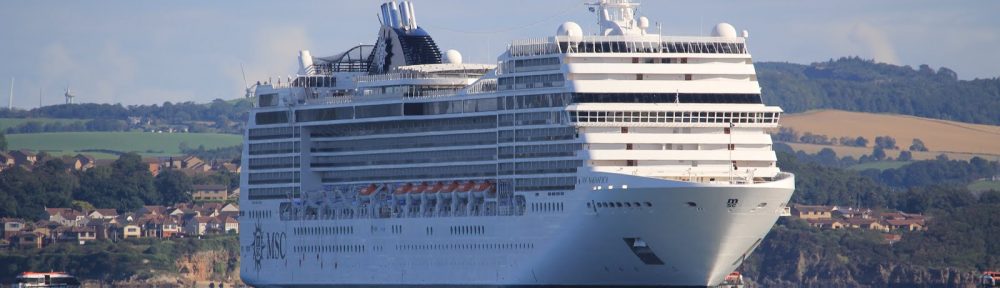
MSC Magnifica berthed in Queensferry, Photo credit Spacejunkie2 Flickr

Previously scheduled to offer short cruises to the Bahamas, the MSC Magnifica is now set to sail in Europe during the summer season of 2025.

Joining MSC Cruises’ lineup in the Western Mediterranean, the 2010-built cruise ship will offer a new seven-night itinerary to Italy, France, and Spain.

The itinerary, which is set to run between early May and early October 2025, includes visits to Genoa, Marseille, Valencia and Tarragona.

With only one day at sea, the itinerary also includes stops in Civitavecchia and Livorno, from where guests can visit Rome and Pisa, respectively.

Following the summer program, the MSC Magnifica is scheduled to offer varying itineraries in the Western Mediterranean before kicking off MSC Cruises’ 2026 World Cruise.

Taking over the global voyage from the MSC Poesia, the 2,550-guest vessel is set to depart from Genoa on January 6, 2026.

During the 119-day world voyage,, the 89,600-ton ship is scheduled to travel 36,000 nautical miles and visit 47 destinations in 32 countries and five continents.

Currently sailing from PortMiami, the MSC Magnifica has been offering three- and four-night cruises to the Bahamas and Florida since late 2023.

In addition to Nassau, Freeport, and Key West, the vessel’s itineraries also include visits to MSC Cruises’ private island destination, Ocean Cay MSC Marine Reserve.

Now, the MSC Seascape is scheduled to offer three- to seven-night cruises to the Caribbean and the Bahamas departing from PortMiami in 2025.

After entering service next April, the 5,400-guest MSC World America is also set to sail from the South Florida homeport on a year-round basis.

MSC Cruises fleet in the United States for the summer of 2025 also includes the MSC Meraviglia sailing from New York City and the MSC Seashore sailing from Port Canaveral.

Mystic’s World Explorer Completes Five Years in Service

Introduced as Mystic Cruises’ first-ever ocean-going cruise ship, the World Explorer recently completed five years in operation.

Built by the West Sea Shipyard in Viana do Castelo, Portugal, the 200-guest vessel was commissioned during a special ceremony on April 6, 2019.

The event, which took place at the ship’s building dock, was hosted by Mystic Cruises’ CEO Mário Ferreira and included former French First Lady Carla Bruni serving as the Explorer’s godmother.

Responsible for commanding the ship during its inaugural season, Captains Alex Zakalashnnyuk from Russia, Filipe Sousa from Portugal, and Terje Willassen from Norway were also present.

While the christening ceremony took place in April, the World Explorer only entered service a few months later, in early August.

Initially operated by Mystic’s German brand Nicko Cruises, the vessel spent its inaugural season sailing in Northern Europe.

The program included both expedition and traditional cruising, with itineraries visiting Iceland, Greenland, the Norwegian Fjords, and the Baltic Sea.

Chartered to Quark Expeditions for the 2019-20 season in Antarctica, the vessel also offered a repositioning cruise to Brazil before arriving at the Frozen Continent in late October.

Since resuming service after the pandemic, the World Explorer has been sailing under charter for Belgium-based Rivages du Monde during summers.

In 2024, the ship’s season includes a series of itineraries in Europe, North America, the Caribbean, and South America.

Upon completing the chartered program, the 9,300-ton ship is set to return to Antarctica for another season under Quark Expeditions’ flag.

After being acquired by the company in April, the World Explorer is set to be operated by Windstar Cruises starting in late 2026.

Renamed Star Explorer, the vessel is expected to undergo a major refurbishment before joining the fleet of the upscale cruise operator for itineraries across the world.

In line with other Windstar Cruises vessels, the Explorer is set to offer a new marina, in addition to a sun deck in its bow and a new range of dining venues.

MSC Cruises: Building New Technologies and Features

To introduce new technologies to ships, the cruise industry needs to simplify access for guests as much as possible, said Francesco Pugliese, vice president of mobile and onboard digital technology at MSC Cruises.

While new developments pile up ashore, cruise lines need to be careful in the way they are implemented onboard, he said.

“We call it ‘keep it simple,’ which means simplifying access as much as possible for our guests. You need to consider all the scenarios and make sure they have a smooth experience,” Pugliese said, mentioning MSC Cruises’ MSC for Me mobile app.

While some guests will embark with the app installed on their phones, others will download it onboard, which can lead to different experiences.

“So, you need to ensure there’s always a smooth path but, of course, not forgetting the cybersecurity issues and challenges that we have,” Pugliese added.

The digital ecosystem onboard also needs to focus on the features that the guests are looking for, he said.

In addition to training crew to help passengers deal with the new technologies, cruise lines also need to ensure that they are communicating with guests in the right way, Pugliese said.

“It’s very important. That’s why we work in close collaboration with our marketing colleagues to explain to the guests, for instance, that the app is for free, which is something that they don’t always realize.”

Pugliese also said that, with new features on ships, the vessels are becoming one of the reasons why guests choose to embark on a specific sailing.

“They are not selecting their cruise based on itinerary anymore, they want to focus on the attractions and experiences that a ship can offer,” he explained.

“That’s why we developed a series of concepts that we implemented on our new ships, which are basically immersive,” Pugliese continued.

One of the new attractions is Starship Club, which is a bar that features a robot bartender who can make cocktails and entertain guests.

The venue was introduced onboard the MSC Virtuosa in 2021 and was later rolled out to other new buildings.

“You order your drink on a list of pre-defined cocktails and, while you wait for it to be prepared by the robotic bartender, you get immersed in a kind of experience that brings you to outer space,” Pugliese explained.

Pugliese highlighted the uniqueness of the cruise industry, which allows cruise lines to collect more data than other companies.

“We start collecting data from the very beginning when passengers purchase their cruise and want to personalize it. Once they get onboard, they usually stay seven days with us, so this means you can collect a huge amount of data,” he explained.

Artificial Intelligence (AI) can help in the process of understanding and analyzing this information, Pugliese added.