Rumoured sale of Cunard and Seabourn denied by Carnival Corporation

Cunard - Ships and Itineraries 2020, 2021, 2022 | CruiseMapper

Carnival Corporation has scotched speculation that luxury brands Cunard and Seabourn could be sold as the cruise giant seeks to navigate recovery from the Covid-19 pandemic.

The company was responding to a specialist media report.

Global shipping news service TradeWinds claimed a sale could be prompted by ageing passenger demographics and a need to generate higher returns.

But a Carnival Corporation spokesman said: “There is no truth to this rumour.

“Cunard and Seabourn are iconic brands for our company, and both lines have a strong track record of success over the years.”

The company announced that it is to dispose of a further two ships, in addition to the disposal of 13 ships across its brands and the delayed delivery of new vessels announced earlier this month.

Four older Holland America Line ships have been sold, including two to Fred Olsen Cruise Lines, while P&O Cruises’ Oceana has left the fleet and Greek line Celestyal Cruises acquired Costa Cruises’ Costa NewRomantica.

In June, Carnival Corporation said it was speeding up the disposal of ships after a registered $2.4 billion adjusted net loss in the three months to May 31.

It has raised at least $10 billion through a series of financial transactions since March, and had “taken significant actions to preserve cash and secure additional financing to maximise its liquidity”.

It also confirmed $8.8 billion of credit facilities to fund ship deliveries originally planned through to 2023.

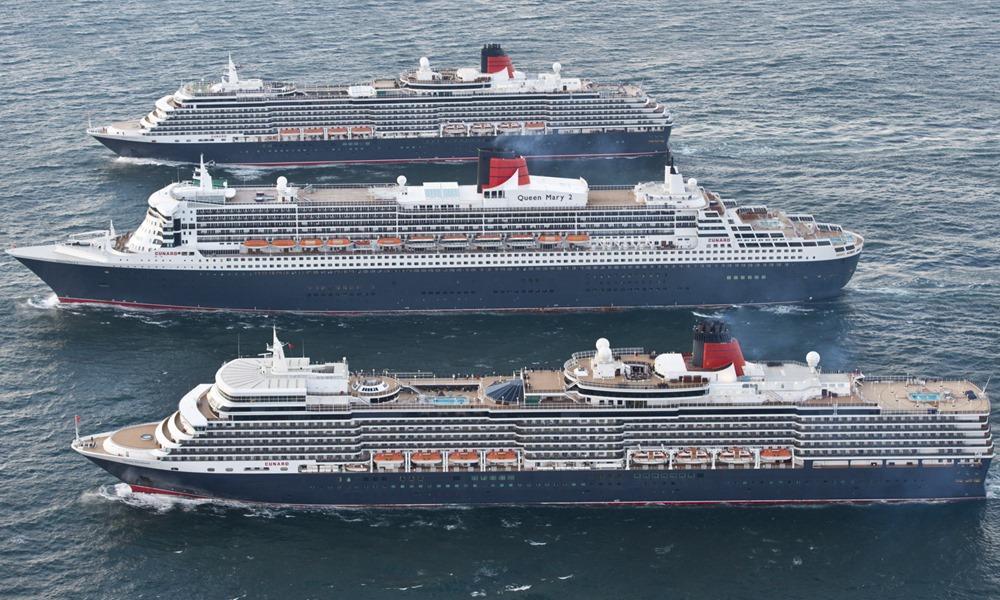
Cunard sailings by Queen Mary 2 and Queen Victoria are suspended until November 1 and Queen Elizabeth until November 23.

Seabourn’s five-ship fleet is on an extended pause in operations into October and November.

The brand had previously announced a suspension of its global ship operations from March 14 until June 30.

Celestyal, Fred. Olsen pick up Carnival Corp. ships

Live Cruise Ship Tracker for MS Amsterdam, Holland America Line ...

Europe-based lines Celestyal Cruises and Fred. Olsen Cruise Lines both said they had purchased ships from Carnival Corp., which has said will shed 13 ships from its nine brands this year.

Greece-based Celestyal said it had acquired the 1993-built, 1,800-passenger Costa NeoRomantica from Costa Cruises, while Fred. Olsen said it had purchased the youngest pair of the four ships leaving Holland America Line’s fleet.

The U.K.-based Fred. Olsen said it had acquired the Amsterdam, built-in 2000, and the Rotterdam, built-in 1997 and would rename them the Bolette and Borealis, respectively, both names of former Fred. Olsen ships.

“We have chosen these vessels as they will fit seamlessly into our existing fleet of small ships, each carrying under 1,500 guests, bringing with them new and larger public areas whilst not compromising on our small-ship experience,” said Fred. Olsen Jr., chairman of Fred. Olsen Cruise Lines, in a statement. “This increase in our capacity demonstrates our confidence in the future. With over 170 years of seafaring history, we have sailed through many difficult periods. With these new additions to the fleet, we will come out of this current situation stronger than ever, ready to deliver the award-winning itineraries that we are famous for.”

The Costa NeoRomantica.

Celestyal’s CEO, Chris Theophilides said that the NeoRomantica purchase is part of the line’s strategic growth plan, despite being on pause until 2021.

“I’m delighted with the addition of this midsize cruise vessel to our fleet,” Theophilides said in a statement. “She is ideally suited to our business model and is very well appointed following her significant transformation in 2012.”

Details of the ship’s delivery and deployment will be announced at a later date, Celestyal said. It is the second Costa ship to exit its fleet since Carnival Corp.’s announcement about shedding ships. The 23-year-old Costa Victoria was sold for scrap.

Cruise industry defends record after a critical TV documentary

Zaandam Ship Stats & Information- Holland America Line Zaandam ...

The cruise industry has defended its record in tackling the coronavirus crisis in the wake of a critical ITV documentary screened on Thursday.

The hour-long ‘Billion Pound Cruises: All at Sea’ focused on the plight of various Princess Cruises ships and Holland America Line vessel Zaandam which were caught up in the pandemic.

It highlighted the impact on passengers and crew and detailed the number of deaths involved.

The documentary featured passenger footage taken onboard Diamond Princess, which was thrust into the spotlight as the virus became a pandemic due to an outbreak on the ship as it was docked in Japan which led to guests and crew being quarantined.

However, global cruise industry body Clia said: “While the tragic reality of the pandemic has meant that its impact has been felt across all walks of life, Clia believes that the industry’s rapid response is one reason why the number of cases linked to ships was a small fraction of the global total.”

The association stressed that health and safety are “integral” to the cruise industry, which is currently at standstill across most of the world due to government restrictions.

A Clia spokesperson said: “No other form of travel provides such high transparency in public health reporting, or requires such stringent cleaning and hygiene protocols.

“Within 48 hours of the WHO [World Health Organisation]  announcing an international emergency, Clia ocean cruise lines introduced enhanced screening protocols worldwide, including health and travel history checks prior to the embarkation of every passenger and crew member.

“Upon the declaration by the WHO of a pandemic, Clia ocean cruise lines voluntarily suspended operations worldwide, making the cruise industry one of the first to do so.

“Some ships had to travel thousands of miles to return to port, and repatriation was complicated by international air travel and border restrictions; Clia cruise lines have also successfully repatriated many thousands of crew members, and have been working non-stop with governments and health authorities to secure the safe return of crew members to their homes.”