Norwegian Cruise Line today announced its 2023 summer itinerary lineup.
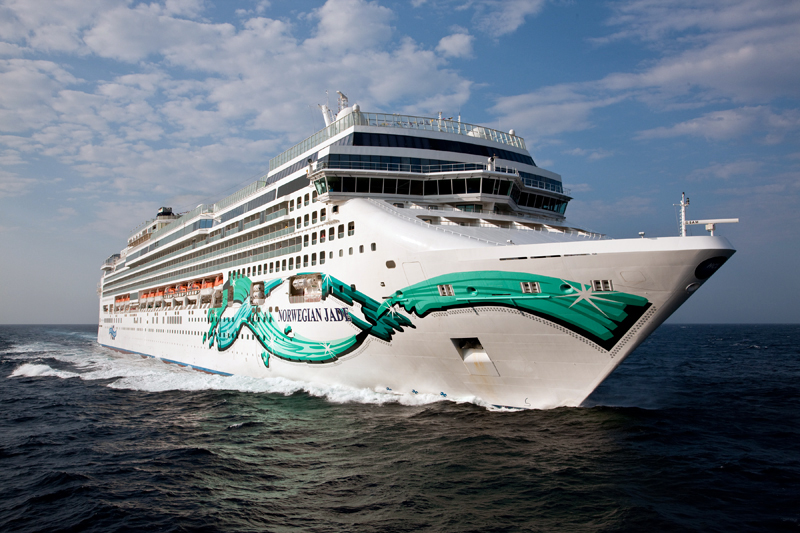
The new itineraries include the brand’s first visit to beautiful Nessebar, Bulgaria on Norwegian Jade’s Extraordinary Journeys sailing through the Mediterranean and the Black Sea; the debut of Norwegian Bliss at the Royal Naval Dockyard during her seven-day roundtrip voyage to Bermuda from New York; Norwegian Jade’s first visit to Bodrum, Turkey and Paros, Greece during her seven-day roundtrip voyage from Athens (Piraeus), Greece; and more.
The company said this is the furthest in advance that it has ever launched its itineraries.
“Now is the time to break free from the hold 2020 has had on us, dream big and plan for the cruise vacation we’ve all been waiting for,” said Harry Sommer, Norwegian Cruise Line president and chief executive officer. “Our newest itineraries along with our incredible, limited-time Black Friday deal provides guests with the perfect opportunity to book, save and indulge in a cruise vacation of a lifetime. We can’t wait to return to the sea, but until we can do so, we are proud to be able to provide our guests with a bit of inspiration, entertainment and behind-the-scenes action with the launch of ‘EMBARK – The Series’.”
Summer 2023 notable itineraries include:
MEDITERRANEAN
The Norwegian Breakaway, Norwegian Epic, Norwegian Gem and Norwegian Jade will sail a selection of five to 11-day cruises through the Mediterranean from May through October.
For the first time, Norwegian Cruise Line will visit the ancient city of Nessebar, Bulgaria during Norwegian Jade’s March 30 Extraordinary Journeys sailing. This nine-day roundtrip voyage from Athens (Piraeus), Greece through the Mediterranean and the Black Sea include a port rich itinerary with no sea days.
On her May 21 sailing, the Norwegian Jade will make her debut in Bodrum, Turkey and Paros, Greece as she embarks on a selection of seven-day Greek Isles roundtrip voyages from Athens (Piraeus), Greece, available through Oct. 15.
From May 6 through Oct. 13, the Norwegian Breakaway will offer port-intensive itineraries during her 10-day Greek Isles roundtrip cruises from Rome (Civitavecchia), Italy, visiting Santorini, Greece; Dubrovnik, Croatia; Florence/Pisa (Livorno), Italy; Cannes, France and more.
NORTHERN EUROPE Sailing a series of Northern Europe cruises from May 8 through Oct. 17, Norwegian Getaway’s nine-day Baltic roundtrip voyages from Copenhagen, Denmark feature an overnight stay, a total of 36 hours in port, in St. Petersburg, Russia. The itinerary also includes calls to Warnemünde, Germany; Tallinn, Estonia; Stockholm, Sweden; and Helsinki.
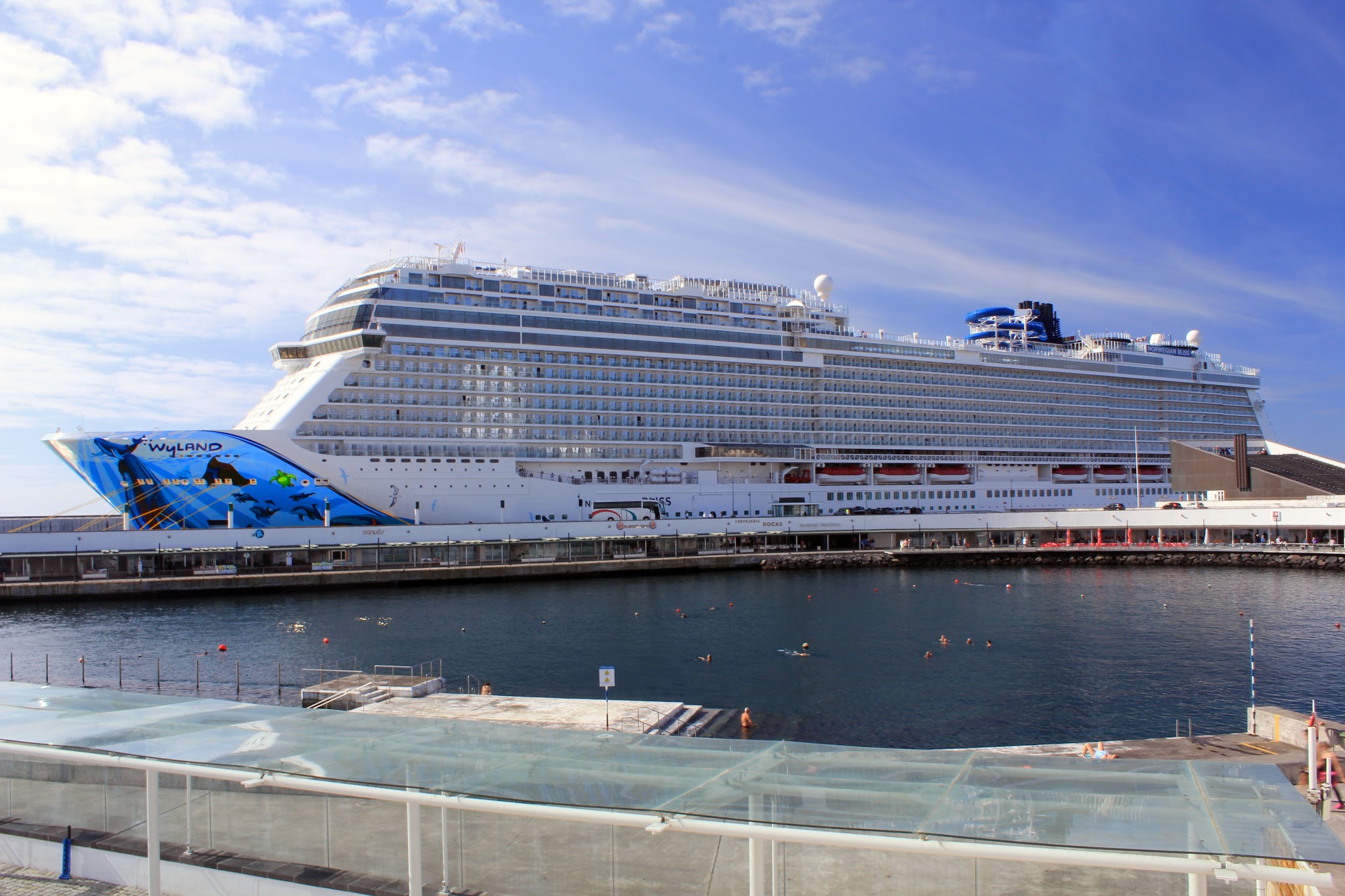
BERMUDA For the first time on her May 21 sailing, the Norwegian Bliss, will call to Norfolk, Virginia. The vessel will also make her debut at the Royal Naval Dockyard in Bermuda as she begins a series of five and seven-day roundtrip cruises sailing out of New York. The itineraries include two overnight stays at the Royal Naval Dockyard
ALASKA Between April 22 and Oct. 15, Alaska will welcome four Norwegian Cruise Line ships: Norwegian Jewel, Norwegian Sun, Norwegian Encore and Norwegian Joy. The ships will sail a variety of five to nine-day voyages from Seattle; Vancouver, Canada; and Seward, Alaska, and every seven and nine-day itinerary.
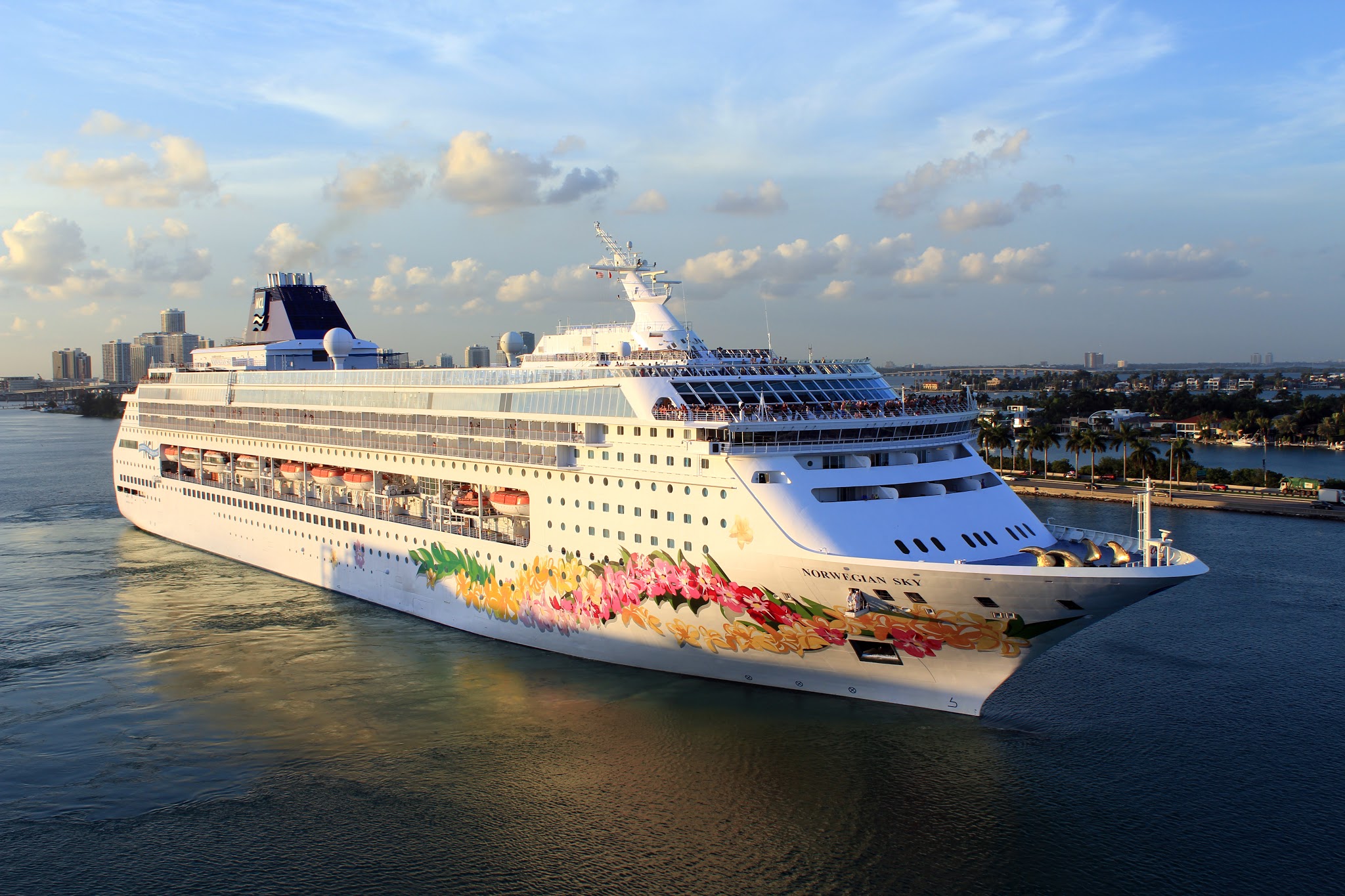
BAHAMAS Starting June 2 through Dec. 29, the Norwegian Sky will sail three and four-day roundtrip cruises from Miami, calling to Freeport, Nassau and Great Stirrup Cay.
THE CARIBBEAN Cruising roundtrip from Miami, the Norwegian Escape and Norwegian Sky will offer a mix of five to nine-day sailings between Eastern and Western Caribbean. The various itineraries include calls to Puerto Plata, Dominican Republic; St. Thomas, U.S. Virgin Islands; Road Town (Tortola), British Virgin Islands; Great Stirrup Cay, Bahamas; George Town, Cayman Islands; Roatan Island, Honduras; Cozumel, Mexico; Harvest Caye.
Norwegian Sky leaving the port of Miami
CANADA AND NEW ENGLAND Beginning Aug. 27 through Oct. 29, the Norwegian Escape will homeport in New York City offering seven-day roundtrip cruises to Canada and New England making calls to Newport, Rhode Island; Portland and Bar Harbor, Maine; Saint John and Halifax, Canada. The Norwegian Pearl will sail a series of seven-day open-jaw cruises to and from Boston, and Quebec City, Canada from Aug. 25 through Oct. 13 with visits to Bar Harbor, Maine; Halifax, Sydney, Charlottetown and Saguenay, Canada.
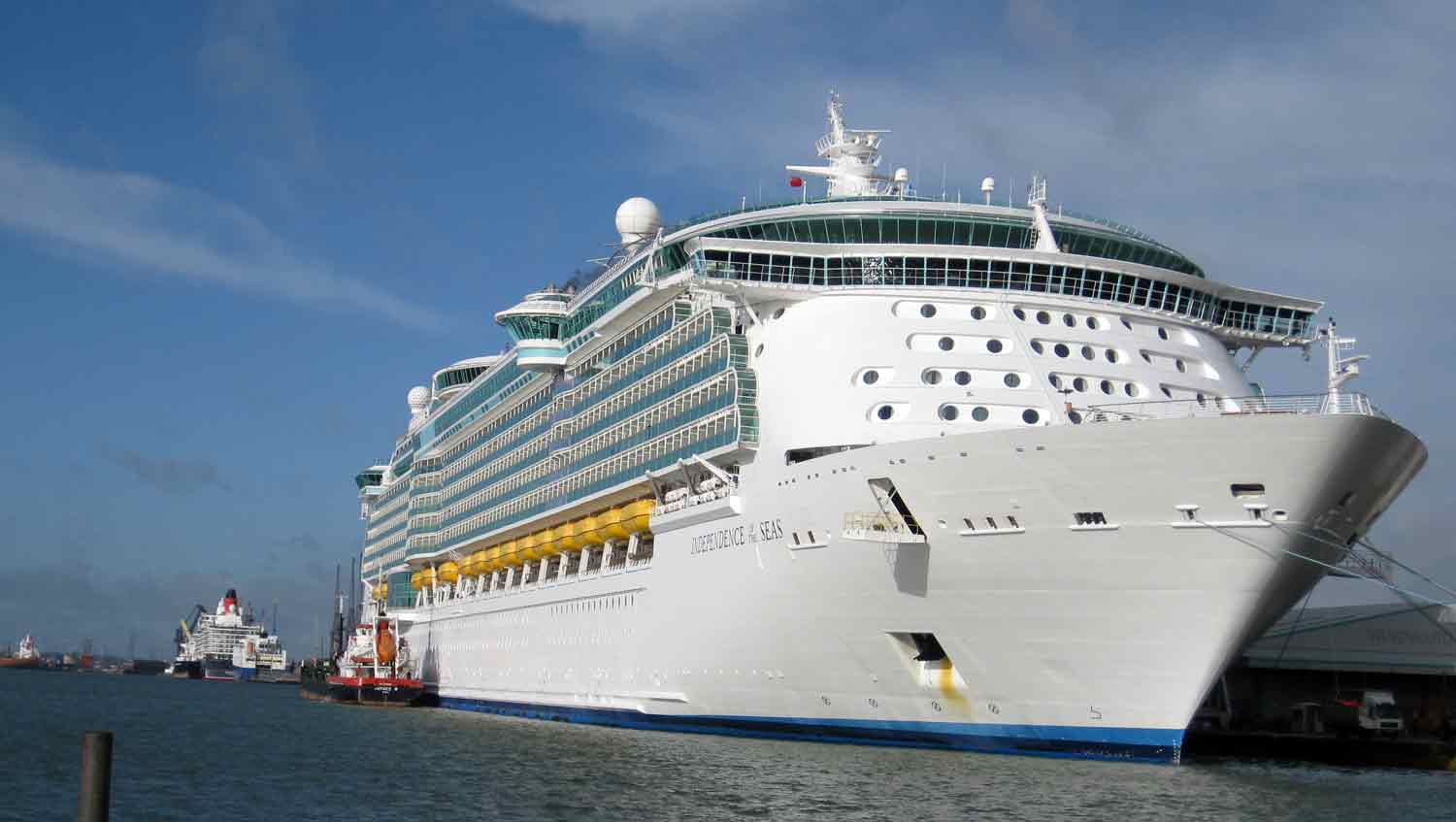
Independence of the seas in Southampton photo credit Dave Jones
Royal Caribbean International has announced a number of upcoming changes in itineraries and homeports to its summer 2021 cruises.
Highlights of the updated summer cruises for 2021 include new four- and five-night Mediterranean getaways from Barcelona, and more time in the Caribbean with ships sailing from additional U.S. cruise ports next summer including Tampa, Fla. and San Juan, Puerto Rico.
New Itineraries and Homeports
Europe
• Adventure of the Seas, which was previously scheduled to sail from Copenhagen and Stockholm, will head for Barcelona to sail a mix of new 4- and 5-night Mediterranean itineraries.
• Jewel of the Seas, originally planned to homeport in Amsterdam and Barcelona, will now sail from Copenhagen and Stockholm on 7-night cruises calling on Northern Europe’s ports.
The Caribbean
• Independence of the Seas, originally sailing from Fort Lauderdale, Fla. offering 3- and 4-night cruises, will now make Miami her home for the summer season and offer a combination of 6- and 8-night cruises to the Southern and Western Caribbean.
• Vision of the Seas, which was previously planned to sail from Barcelona, will sail from San Juan, offering a new summer program. She will offer 7-night Southern Caribbean itineraries.
• Brilliance of the Seas will stay in Tampa for the summer offering a new drive to port for guests. She will sail 4-, 5- and 7-night cruises to the Caribbean.
In Europe, the Odyssey of the Seas will join Anthem and Harmony of the Seas and make its debut in Rome to kick off its inaugural Europe season.
In Alaska, the region will see the cruise line’s biggest season yet with four ships, including the Quantum of the Seas.
The Caribbean also includes the Mariner and Navigator of the Seas sailing 3-night weekend and 4-night weekday itineraries to The Bahamas and Perfect Day at CocoCay, and Oasis of the Seas cruising from the New York area for the first time. In Asia, guests can sail aboard the region’s newest ship, the Spectrum of the Seas, offering 4- and 5-night sailings from Shanghai and visiting Japan.
Apps and ops: Tour operators step up mobile efforts
People who travel the world on packaged trips or guided tours have traditionally clung to the paper documents they receive before their trip, an excitement-inducing package of information containing all their travel details.
Even as tour operators have attempted to steer customers away from costly paper documents by, for example, emailing their clients PDF versions of the same documents, customers have resisted, asking instead for their beloved paper packs (preferably sent along with a branded document holder, travel bag and/or baseball cap).
But as the use of smartphones and tablets becomes significantly more widespread across demographics, there is renewed hope on the horizon of weaning customers off their physical travel documents and converting them to a digital version of those documents, not via email but by way of downloadable mobile applications.
As of last year, mobile apps downloaded onto smartphones and tablets took over the No. 1 spot for how the majority of all digital media is consumed in the U.S., according to the U.S. Mobile App Report, an in-depth study into mobile app usage released last year by Internet technology company comScore.
The report found that apps drive the vast majority of media consumption activity on mobile devices, with 88% of activity on smartphones coming from apps vs. 12% from standard Web browsing, and 82% of online tablet activity driven by apps vs. 18% by standard Web browsing.
Consequently, tour operators who have been holding off on investing in mobile for a variety of reasons are finally starting to look more seriously into mobile app technology, and they are doing so in growing numbers. The latest high-profile convert is Trafalgar, which after years of delivering travel details on paper and e-docs is preparing this month to launch a mobile app called myTrafalgar.
The myTrafalgar app, developed in-house in collaboration with a technology company, will enable those who download the app to access all their trip information, connect with other guests as well as with their travel director, share their experiences on social media, view images and learn about future trips. Guests will be able to download the app via the App Store or Google Play using their booking code to log in.
A countdown feature on the myTrafalgar app shows travelers how many days, hours and minutes are left until their trip.
“The myTrafalgar mobile app is designed to improve and personalize the on-trip experience,” said Paul Wiseman, president of Trafalgar USA. He said that downloading the app before the trip gives guests the opportunity to connect with their travel director before the trip begins, and the travel director, in turn, can learn more about his or her group in advance to better customize the experience. Once the trip is underway, the app will help facilitate social connections made while the group is traveling together.
“One of the common sentiments expressed by guests is how much they appreciated meeting new people within their travel group and the shared experience within a destination,” Wiseman said. “The app enables easy connectivity to new friends even sooner, rather than waiting for the trip to end, and encourages social engagement with family and friends through image sharing and journaling.”
Wiseman emphasized that the app is not intended to replace traditional paper documentation but rather is being offered in addition to it.
Trafalgar isn’t the only tour operator to see the value in connecting with customers via mobile. Anticipating the new wave of customers who want to be able to access all their travel documents, itineraries, boarding passes, e-tickets and weather on their smartphones and tablets, the British company Vamoos expanded into the U.S. market this summer, joining a small but growing group of companies that are developing mobile app technology specifically geared toward tour operators and travel agents.
“I tried to understand why there wasn’t any activity going on in mobile,” said Tony Bean, director of Appex Mobile, which developed the Vamoos white-label mobile app technology.
Bean came up with the idea for Vamoos after returning from a ski vacation. Although he had a great customer experience, he couldn’t understand why there wasn’t a way to have all his trip information in a single place on his smartphone. What he found after researching the mobile space is that when it comes to tour operators, “there are only a few companies that can afford the build cost of a new app.”
Three years ago, the Globus family of brands became one of the frontrunners in the U.S. tour operator mobile app space when it launched its Passport to Travel app as well as mobile-friendly customer service sites for its four brands: Globus, Cosmos, Monograms and Avalon Waterways.
Since it was launched, there have been more than 10,000 downloads of the Globus app, and the most popular function is the ability to view itineraries. So far this year, 40% of the company’s website traffic comes from mobile; mobile-driven website traffic has increased 14% this year over 2014.
But until recently, only the larger tour operators have had the financial resources to invest in mobile technology; for smaller operators, it has not been a worthwhile or attainable goal. Not only is mobile app development costly, but it was unclear whether and how much customers would use technology instead of traditional paper or emailed documents. Only recently, as mobile technologies have become ubiquitous, has a growing number of tour operators taken the leap of faith into mobile.
The myTrafalgar app includes a journaling function, which allows users to take notes and upload photos of their trip.
Frederic de Pardieu, CEO of Montreal-based mTrip, which has been providing mobile app solutions to tour operators since 2009, said part of the reason for the delay in going mobile is that until now, operators have been much more focused on getting their websites up to speed. Even in the mobile age, creating a great website is still much easier and more cost-effective than developing a solid app, he said.
De Pardieu said he has only begun marketing to U.S. tour operators seriously for the last year as interest in mobile began to pick up.
“For a website, they can hire a developer or a designer and do it on their own,” he said. “If you go to the mobile space, if you want to do something that is really adding value, if you don’t want to only show flight and accommodation, if you want to go further in terms of planning and guidance, there is a technology barrier.”
And it can cost tour operators upward of $100,000 to $200,000 to get past that barrier, he added.
What companies like Vamoos and mTrip hope to do is to give operators the opportunity to tap into existing mobile technology templates with accessible pricing. The cost of Vamoos, for example, averages around $1.50 per passenger for the operators and travel agencies that sign up for the subscription-based service.
Tour operators can then customize the look and feel of the app.
When he launched Vamoos in the U.K. last year, Bean said, he wanted the app to be available to “all tour operators, whether they’re the smaller ones or the ones with deep pockets. Technology is supposed to be an equalizer, a democratizer. We have very small operators who find it’s a very good value for them, and we’ve actually signed a very large operator in the U.K. who also finds it to be a very good value.”
Making connections
For the most part, the mobile app technology that currently makes the most sense for tour operators does not actually have much, if any, booking functionality.
In this beginning stage of mobile adoption by operators, the most popular apps compile and organize all the travel documents that would normally be delivered to clients on paper or as PDF email attachments, provide multichannel communication options and, hopefully, enable companies to stay in touch with customers once they return from their trips.
An example of an app developed by mTrip.
They serve as a value-add and marketing tool rather than as a booking transaction tool. App developers note, however, that during the app development and customization phase, companies that want to build in booking functionality can certainly do so, though at an added cost.
Given the wide variations in the pace of adoption and levels of technology in the market at this point, there really is no way to calculate a clear-cut potential return on investment for mobile technology, which of course stands as yet another hurdle in justifying the investment.
Yet common sense suggests there is great long-term value in creating a mobile app that customers can download to their smartphone or tablet, because the technology is about staying connected to customers, learning about their needs and ultimately keeping them engaged before, during and after the trip.
“For us, both the app and the mobile-enabled sites have been about improving access and ease of use for travelers, rather than a straight ROI,” said Steve Born, Globus’ senior vice president of marketing. “Our evaluation of these tools has been as gateways to further research rather than revenue production.”
App developers agree that companies that invest in mobile will get a combination of increased customer satisfaction from users who engage with and appreciate the app’s functionality, the ability for an operator to maintain a more consistent connection with the customer and the opportunity to generate future bookings based on information gathered during app usage.
Additionally, travel apps can help facilitate social media interaction, which can serve as a great marketing tool for tour operators if passengers are snapping photos and sharing their experiences while on the road.
For customers concerned about their ability to access content while roaming internationally, most, if not all, of the apps being developed for the tour operator space are designed to have features such as itineraries that can be downloaded prior to the trip so that they can be accessed without using WiFi or other data sources.
Stiff competition
There are already numerous popular apps in the travel space that do a lot of what the apps being developed by and for individual tour operators do, including apps such as TripIt, TripCase or CheckMyTrip.
But according to de Pardieu, tour operators shouldn’t be discouraged by the prevalence of these heavyweight travel-itinerary apps, which he said are geared more toward business travelers who predominantly need to be able to access their flight information and accommodation details. The opportunity for tour operators is to go beyond simple logistics.
An example of a Vamoos mobile app interface.
“Our goal is really to provide something that is used from the time the trip is booked,” de Pardieu said, emphasizing the important role apps can play in generating pre-trip excitement by offering detailed itineraries and destination information.
While he does not see these apps as a primary booking tool, he suggested that tour operators and travel agents can also use apps to promote optional excursions and add-ons closer to the departure date, when customers are more likely to begin thinking about their detailed travel plans.
As with the Trafalgar app, there is also the opportunity to enable guests to connect with the tour guide or with past and present clients, including through social media, in advance of the journey.
Once customers are on the road, tour operator apps can essentially serve as a travel concierge service. Some of mTrip’s clients, for example, have opted for a function that gives customers suggestions for what to do during their free time in a destination, based on their individual preferences, what is popular in the region and what establishments are open during their free time.
As travel companies big and small race to get into the app game and develop loyalty through app usage, tour operators are entering a market already rife with noise. Beyond the TripCases and TripIts, everyone, from the airlines to the OTAs, already has their own apps.
“Everyone is going on the trip now with their smartphone,” de Pardieu said. “If [tour operators] want to survive, they need to go in this direction, also. They have to fight to keep the client with them and to not have the client go to the airline app.”
The winner in any tug-of-war for the client, he asserted, “will be [the one] who owns the client during mobility. The [app] that will be used is the one where you have the relationship.


 Wetravel2u's Weblog