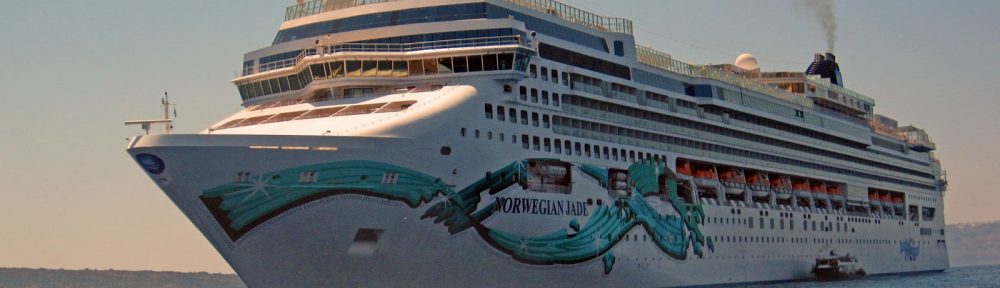
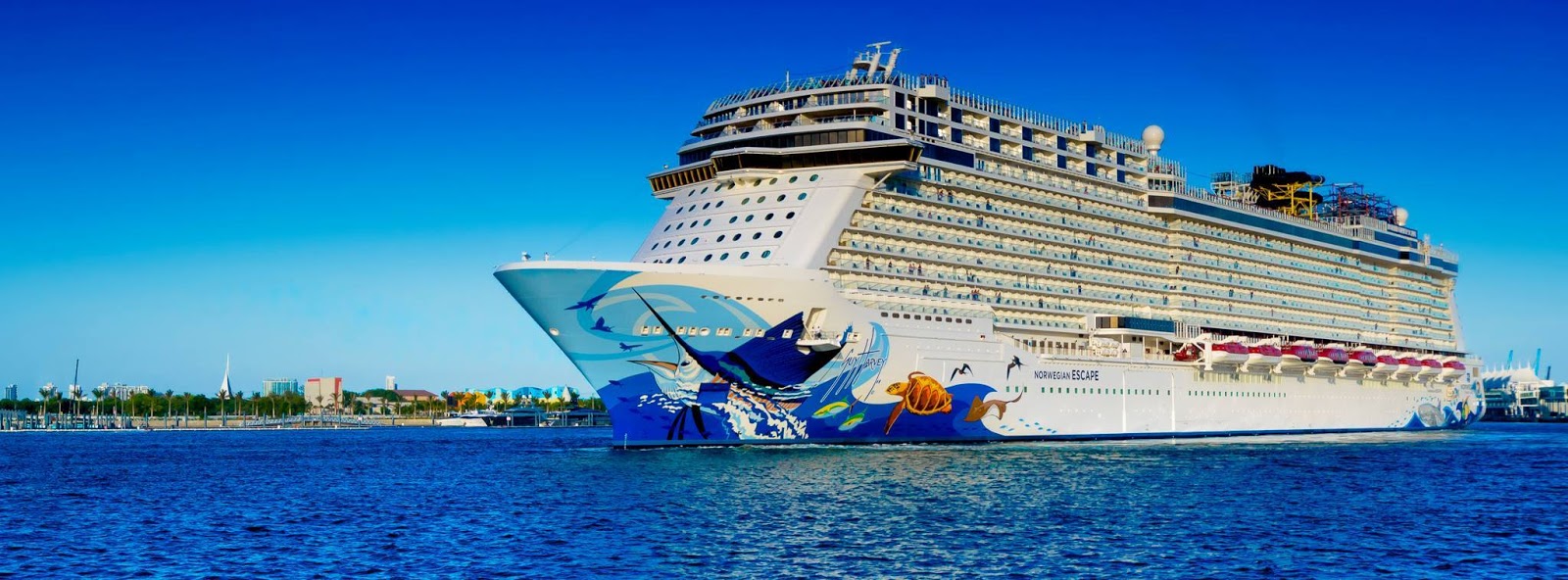
With its legacy of gold mining and the majestic Mendenhall Glacier just outside of town, Juneau has long been a crown jewel among Alaska cruise itineraries. But as demand has grown, so have congestion and concerns among residents about the quality of life during the all-too-brief summer months.
Now, an effort by Norwegian Cruise Line Holdings (NCLH) to buy a key parcel of land along the downtown waterfront could bring those issues into high relief as citizens debate how much cruise tourism they want.
NCLH’s bid to buy the 2.9-acre site known as the Subport comes as the number of cruise passengers arriving in Juneau has grown from 1 million to 1.5 million in the past four years and as NCLH has embraced an ambitious plan to beef up its shore facilities throughout southeast Alaska.
But Juneau could test Alaska’s appetite for hosting more and bigger cruise ships with each passing season.
Rorie Watt, manager of the city and borough of Juneau, said, “The growth has been climbing pretty steeply. We’re starting to see quite a bit of pushback from the community.”
Vacant since 2006, the Subport property is controlled by a state trust that provides services to Alaska’s disabled population. Juneau has been urging the trust to sell the land and had a proposal of its own for the site.
When the parcel came up for auction, NCLH was the high bidder. At $20 million, its offer was nearly double the next highest bid, from Royal Caribbean Cruises Ltd., and more than quadruple the $4.3 million tendered by the city.

The sum was all the more impressive because, according to Watt, current zoning would not permit the company to build a pier at the site.
“It is true the property is not currently zoned for a cruise ship dock, and it is true that our waterfront plan does not call for a dock in that area,” Watt said.
After the bids were opened, NCLH said in a statement that it was “thrilled to be the winning bidder,” adding, “We look forward to engaging with the city of Juneau to work together on a plan for the land that will greatly benefit both Juneau and our company.”
The company declined to comment further about its plans for the site.
The zoning of the Subport land emerged from a debate in the early 2000s among Juneau residents over cruise-related congestion that had resulted from a previous cruise line growth spurt in the 1990s, Watt said.
At that time, a consensus emerged that the Subport was not an appropriate site for a cruise pier, so the zoning was changed and a long-range waterfront land-use document was adopted to reflect that.
In addition, Watt said the city owns the tidal lands in front of the parcel, and NCLH would either have to buy those or work out a lease in order to put its ships there.
Both changes would require more than obtaining a variance from a zoning board. The decision would almost surely be made by elected officials, Watt said.
“There would likely be a substantial amount of public process if they were to do that,” he said.
Juneau is one of several ports in Alaska where NCLH is seeking to build its own infrastructure. In Hoonah, it is partnering with the Alaska Native tribe that owns the Icy Strait Point cruise port to build a second pier for its use.
In Ketchikan, NCLH has agreed to be the first tenant at a pier being developed north of town at an abandoned paper mill. The site at Ward Cove would give it preferential berthing rights. The site was developed by the local Ward Cove Group and a tour operator, Godspeed of Fairbanks.
The $50 million pier proposal is in the permitting process, and the partners hope to have it open for the 2020 cruise season.
NCLH also joined with the Port of Seattle in 2015 to redevelop the Bell Street Terminal at Pier 66 in downtown Seattle, where its Alaska-bound ships also have secured preferential berthing rights following the $30 million upgrade.
Angie Ryan, a Travel Leaders agent in Frisco, Texas, said the investments would make NCLH cruises more attractive to clients.
“I think that by using their own facilities and their own dock, it can keep the standard they’re trying to present across the board,” Ryan said. “Like they built their own dock in Roatan, [Honduras], and it’s a much nicer pier than the one Carnival uses,” she said. “And I think that’s a draw.”
Homeport capacity drives upgrades
NCLH isn’t the only cruise company upgrading its Alaska shore product. In 2018, Carnival Corp. spent $290 million in Skagway to acquire a scenic railway and related port facilities, and it formed a joint venture to manage the business.
Since then, the venture has added a berthing dolphin (an above-water marine structure that is not connected to the shore) at the end of the railroad dock complex. The dolphin now enables the berthing of two large ships there, according to Carnival Corp. chief communications officer Roger Frizzell.
The moves are part of a larger expansion of cruise infrastructure in Alaska, driven by increased homeport capacity.

From Seattle and Vancouver, cruise lines now have the ability to launch six ships simultaneously: three from Vancouver’s Canada Place terminal, two from Pier 91 at Seattle’s Smith Cove and one from the Bell Street terminal.
“I think the way to look at southeast Alaska is that most of the cruise ship visitation is predicated on weeklong cruises that initiate out of Seattle or Vancouver,” Watt said. “And berth capacity has been added in Seattle and Vancouver, so there’s going to be capacity for six ships leaving there.”
That enhanced capacity will have a domino effect on port capacity in Alaska. With the addition of Ward Cove, Ketchikan would have berths for six ships a day, including Norwegian Cruise Line’s two 4,000-passenger ships, the Norwegian Bliss and the Norwegian Joy.
Watt said the question for Juneau, which currently has four berths, is whether it wants to keep pace.
The addition of 500,000 cruise visitors since 2015 has meant a lot of perceived change for residents, Watt said.
“It’s a lot of economic opportunities, but it’s also that your quiet neighbourhood may be less quiet,” he said.
He added: “On Juneau’s side, I would imagine we’re going to go through a period of high-level community vision-type exercises. What kind of town do we want to be, and where are we headed, and how do we plan appropriately for that? My guess is that Norwegian has jumped into the middle of that conversation, and realistically, we’re probably not going to be moving very fast. I think it will take us a while.”

 Wetravel2u's Weblog