Carnival Corporation to Begin Cruises in Phases

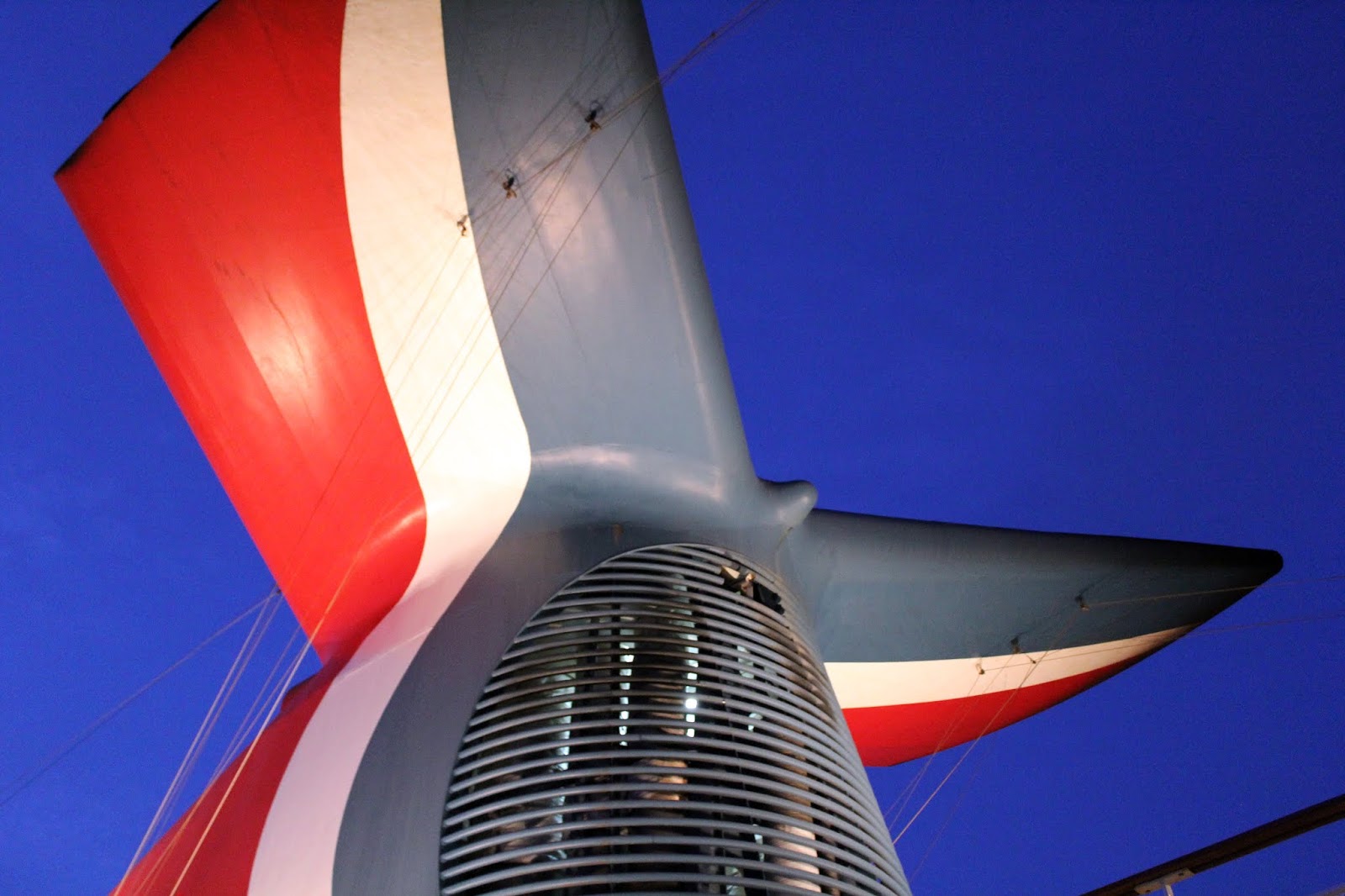
Carnival Cruise iconic Funnel.

Carnival Corp said on Friday it was planning to resume operations in a phased manner and would operate with a smaller fleet on its return, months after suspending trips due to the COVID-19 pandemic.

The company’s shares, that have lost more than two-thirds of their value this year, rose as much as 11% to $16.12 in morning trading.

The world’s largest cruise operator said it has reduced capital expenditures by more than $5 billion over the next 18 months and raised a couple more billions to navigate through the virus outbreak.

The cruise business has been one of the worst-hit after several ships, including some owned by Carnival’s Princess Cruises, became coronavirus hotspots.

To survive through the pandemic, cruise operators have raised billions through various means, even pledging ships and private islands.

Carnival alone, raised over $10 billion through a series of financing transactions since voyages were paused, enough to withstand another full year in a zero-revenue scenario, Chief Executive Officer Arnold Donald said on a conference call.

As it restarts voyages, the company expects future capacity to be moderated, while some ships could be removed and new deliveries would be delayed, Carnival added.

“We are also reorganizing the company to emerge stronger, leaner and more efficient,” Donald said.

“Even when we return to full-scale operations, we don’t expect to return to the same staffing requirements as we are addressing our work streams to work in a more efficient manner.”

The 13 ships expected to leave the fleet represent a nearly 9% reduction in current capacity, and the company expects only five of the nine ships originally scheduled for delivery to be delivered.

On Thursday, Carnival said it would resume voyages run by its German cruise line AIDA next month. (Reporting by Nivedita Balu in Bengaluru; Editing by Anil D’Silva and Shounak Dasgupta)

(c) Copyright Thomson Reuters 2020.

Royal Caribbean and Norwegian to Partner on Health Protocols

RCL and NCL Logos

Royal Caribbean Group and Norwegian Cruise Line Holdings announced a collaboration to “develop enhanced cruise health and safety standards in response to the global COVID-19 pandemic,” according to a press release.

The companies have asked Governor Mike Leavitt and Dr Scott Gottlieb to serve as co-chairs of a newly formed group of experts called the “Healthy Sail Panel.”

The panel is tasked with collaboratively developing recommendations for cruise lines to advance their public health response to COVID-19, improve safety, and achieve readiness for the safe resumption of operations, according to a press release.

The expert panel has been working for nearly a month and will offer its initial recommendations by the end of August.

The cruise lines said its work will be “open source,” and could be freely adopted by any company or industry that would benefit from the group’s scientific and medical insights.

“This unprecedented disease requires us to develop unprecedented standards in health and safety,” said Richard D. Fain, chairman and CEO of Royal Caribbean Group. “Bringing aboard these respected experts to guide us forward demonstrates our commitment to protecting our guests, our crews and the communities we visit.”

“We compete for the vacationing consumer’s business every day, but we never compete on health and safety standards,” said Frank Del Rio, president and CEO of Norwegian Cruise Line Holdings Ltd. “While the cruise industry has always had rigorous health standards, the unique challenges posed by COVID-19 provide an opportunity to raise the bar even higher.”

Fain and Del Rio said they initiated the panel to assure the plans they will submit to the U.S. Centers for Disease Control and Prevention (CDC) and other regulators apply the best available public health, science and engineering insights. The work of the panel will be shared with the entire industry and regulators.

“In convening the Healthy Sail Panel, we sought the participation of a diverse group of leading experts in areas of science and public health that are directly relevant to the considerations listed by the No Sail Order,” said Governor Leavitt. “We view our work as a profoundly important public health effort. The health and safety of passengers, crew, and the communities that cruise ships visit will be the principal focus of this project.”

Dr Gottlieb said, “We know that the public health issues that must be addressed are complex, and in some areas, tackling them will require novel approaches. Our goal in assembling this team of leading experts was to develop best practices that can improve safety and provide a roadmap for reducing the risks of COVID-19.”

The panel is co-chaired by Governor Leavitt, former Secretary of the U.S. Department Health and Human Services (HHS), and Dr Scott Gottlieb, former commissioner of the U.S. Food and Drug Administration (FDA). The panel’s members are globally recognized experts from various disciplines, including public health, infectious disease, biosecurity, hospitality and maritime operations.


The industry is prepping for a comeback. Where is the CDC?

Cruise industry taps leading health experts for enhanced Covid-19 ...

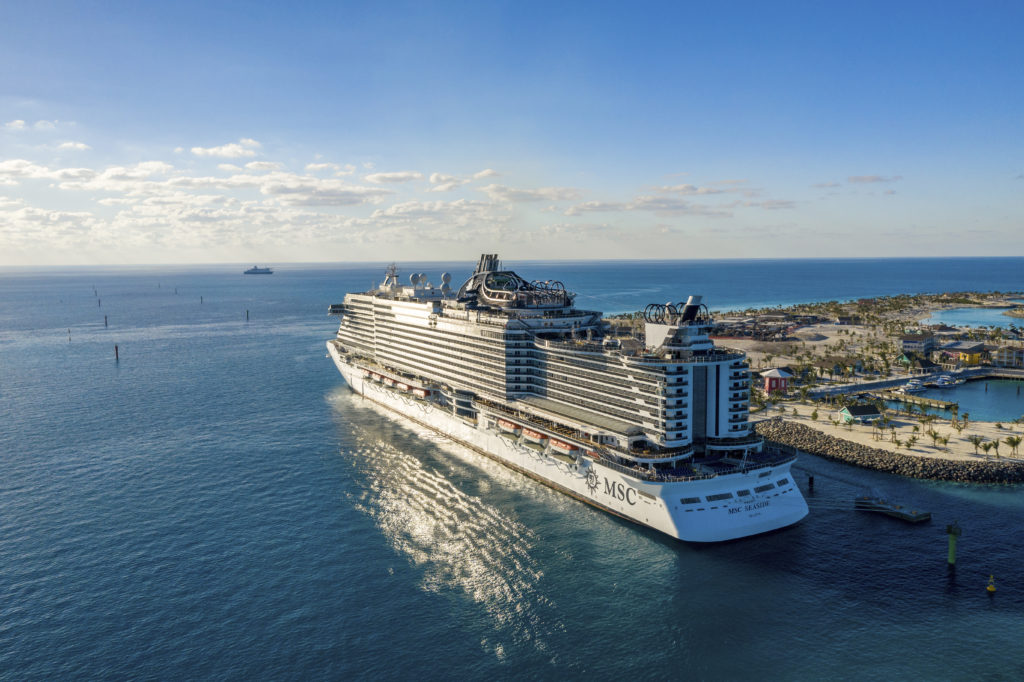
MSC Cruise has put together a Blue ribbonCovid group to put in protocols for safety.

By Johanna Jainchill

The past week has seen major movement in the shaping of protocols around the resumption of cruising. Last week, the European Union released guidelines for the resumption of cruising. Yesterday, Royal Caribbean Group and Norwegian Cruise Line Holdings Ltd. revealed that they had assembled a panel to develop health and safety protocols for the industry to resume operations. MSC Cruises has put together a Blue Ribbon Covid Expert Group that will advise it on sanitation and health protocols.

What’s missing from all of these advancements is any word from the U.S. Centers for Disease Control and Prevention (CDC), which will ultimately determine when large cruise ships can resume sailing from U.S. ports. The agency has said nothing about the cruise industry since updating its No Sail Order on April 9 to expire on July 24.

The cruise industry has not publicly said that the CDC is being uncooperative, but in a conversation with Travel Weekly last month, CLIA CEO Kelly Craighead praised Europe for enabling the industry to “participate in dialogue about thoughtful resumption protocols” but said that with the CDC it was “having some challenges with having that kind of engagement and dialogue with them.”

CLIA said it had been actively engaged in the development of the guidance published last week by the EU.

UBS analyst Robin Farley said in a note to investors in June that according to her sources, the reason CLIA announced a voluntary suspension of cruises through Sept. 15 is “likely so that [the] CDC would not have to extend its No Sail Order while negotiations continue.”

“It sounds like there needs to be an agreement with the CDC in place about 30 days before ships can restart,” Farley said.

However, Farley also said that according to Royal Caribbean Group management, the company “is in constant communication with the CDC in a constructive dialogue, and at this point, they are going back and forth with iterations of an agreement.”  And one of the co-chairs of the Royal/Norwegian panel, Mike Leavitt, a three-term governor of Utah and former secretary of the U.S. Department of Health and Human Services, said that the CDC was “very pleased to know the panel was being proposed. We described the membership and told them how we were going to work and we pledged transparency and they received it warmly.”

But publicly, at least, the CDC has been quiet. And several industry stakeholders have privately said the CDC is being unresponsive and uncooperative with the industry. The CDC did not respond to outreach from a Travel Weekly reporter.

It has been suggested that the CDC has been hamstrung by the Trump administration, such as in a scathing New York Times report in June that detailed the CDC’s failures overall in its response to the Covid-19 pandemic. In one example of its shortcomings, the article cited the CDC’s No Sail order and reported that the CDC wanted the order to be indefinite, but that the White House intervened, and so the agency replaced it with the order the ends in July.

It’s not the only article on the agency’s failures: the Washington Post this week reported that the CDC’s mishandling of the coronavirus is similar to the mistakes it made with the Zika outbreak in 2016.

CLIA and the cruise industry may not want to rock the boat and cause any further delay, but given the fact that so many travel advisors depend on the ability to relaunch operations in the world’s No. 1 cruise market, ASTA CEO Zane Kerby might have spoken for the industry at large when he called the CDC’s communications about travel “uneven at best.” In a letter to its director, Robert Redfield, on June 9, he said that prioritizing of the restart of the cruise industry is one of four main goals the CDC should tackle.

“In the absence of clear communication, the entire population remains essentially in the dark, left to rely on a patchwork of regional, state and local pronouncements to inform their decision-making with respect to travel,” Kerby wrote. “Airlines, hoteliers, cruise lines, tour operators, car rental companies, insurance providers and others are similarly left to their own devices as to when to restart operations in the face of an unprecedented global pandemic.”