CDC extends No Sail Order for the U.S. cruising through Sept. 30

Coronavirus hospital data will now be sent to Trump administration ...

By Johanna Jainchill

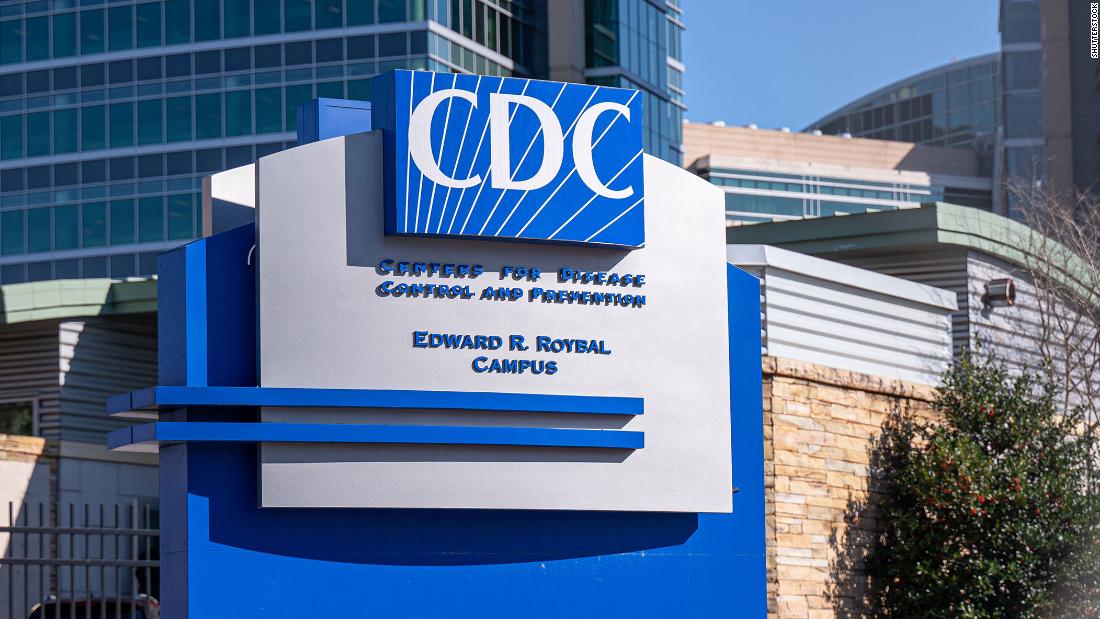
The Centers for Disease Control and Prevention (CDC) extended the No Sail Order for cruise ships from U.S. ports through Sept. 30.

The previous No Sail Order was set to expire on July 24. The extension can be cut short only if the secretary of Health and Human Services declares that Covid-19 is no longer a public health emergency or the CDC director rescinds or modifies the order.

CLIA member lines had already decided last month to voluntarily suspend operations until at least Sept. 15, saying that it was “increasingly clear that more time will be needed to resolve barriers to a resumption in the United States.”

The CDC reported July 16 that from March 1 to July 10, there were 99 outbreaks on 123 cruise ships, with a total of 2,973 cases of Covid-19 or Covid-like illness on cruise ships and 34 deaths. The CDC said that 80% of ships within U.S. jurisdiction were affected by Covid-19 during this time frame and that nine ships have ongoing Covid-19 outbreaks.

“The challenges described in this document highlight the need for further action prior to cruise ships’ resuming passenger operations,” the CDC said, adding that it supports CLIA’s decision to voluntarily extend the suspension of operations. “However, because not all cruise ship operators subject to the No Sail Order are members of CLIA or have made similar commitments, CDC is extending its No Sail Order to ensure that passenger operations do not resume prematurely.”

The CDC also reported that as of July 10 it has “expended an estimated 38,000 person-hours on the cruise ship Covid-19 response since March 14” and that “CDC continues to have regular conversations by phone and email with cruise lines, often daily.”

The order applies to the operation of vessels with the capacity to carry 250 individuals or more, which excludes many small-ship ocean and river operators, some of which plan to resume service this summer.

In response to the order, CLIA said that the association and its member lines “remain aligned with the CDC in our commitment to public health and safety. We are also pleased that the CDC has announced its intention to issue a request for information about the industry’s resumption of passenger operations. As we continue to work towards the development of enhanced protocols to support the safe resumption of cruise operations around the world, we look forward to a timely and productive dialogue with the CDC to determine measures that will be appropriate for ocean-going cruise operations to resume in the United States when the time is right.”

Can cruising go from Covid scapegoat to pandemic hero?

Coronavirus: Foreign Office tells Britons to stay on cruise ship ...
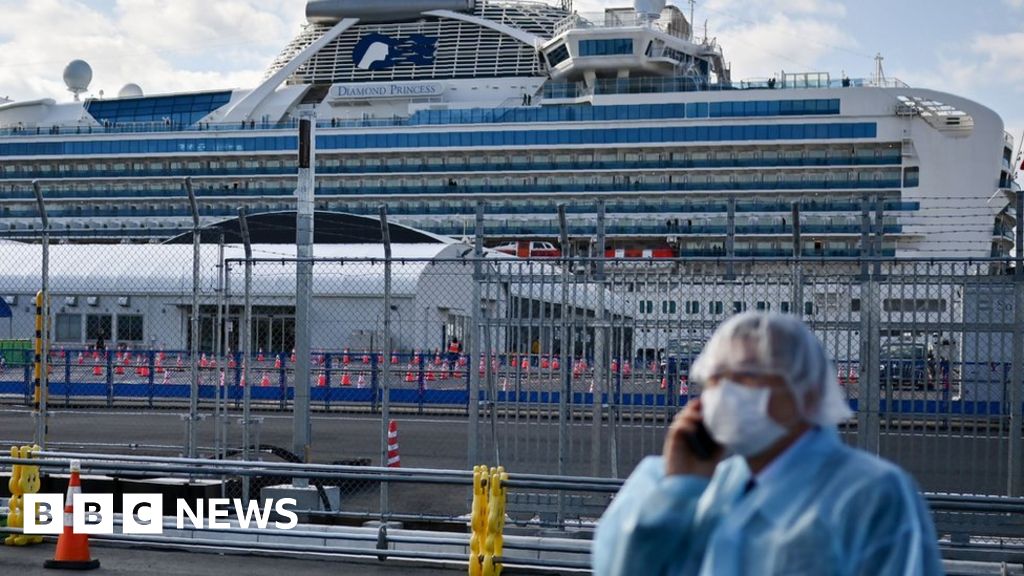
Diamond Princess in Japan

In terms of economic and reputational damage, travel was the first industrial sector to fall victim to the coronavirus and is expected to be the last to recover.

And among travel products, none has taken a harder reputational hit than cruising.

But recently, a path to reputation restoration has opened, and with it the possibility that cruising may even be credited with funding advances related to epidemiology.

Crises of the magnitude of Covid-19 spur a binary result for enterprises: innovation or collapse. And the high degree of risk posed to cruise lines is measurable, reflected in the cost of the loans and investments they arranged to ensure midterm liquidity.

But signs have emerged that cruising will not only survive but even offer a case study of exemplary crisis management. Such a narrative might go like this:

When the initial reports of the virus came out of Wuhan, China, they were frightening but distant, clouded by medical unknowns and shrouded by official silence and secrecy.

A clearer, though far from complete account emerged from the disease’s devastating impact on a cruise ship quarantined dockside in Japan. For more than two weeks, the attention of the world focused on a microcosm of an emerging pandemic. The setting — the Diamond Princess — became a metaphor for contagion and fear. Every new and morbid development was broadcast worldwide.

How does a product that has never been universally embraced — it has devoted followers, but still struggles against outdated stereotypes and a persistent chorus of critics — overcome the stinging characterization of being a “petri dish” of infection?

Even within the travel ecosystem, cruising’s situation seemed particularly dire. Aviation and hospitality had been struck devastating blows; individual brands are still endangered. But because these sectors never stopped operating, enhanced protocols for sanitation were formulated and deployed quickly.

Compared with cruising, these are relatively simple operations. Airline passengers occupy just a few cubic feet of space over a brief period of time. Service is minimal.

Hotels are more complex, but they don’t move around and are typically surrounded by a community of supportive services.

A portion of cruising mirrors hotel operations, and like aircraft, ships move through multiple regulatory jurisdictions. But cruise companies also run shore excursions, manage private islands and maintain myriad public spaces, restaurants and recreational opportunities. They house staffs as well as guests. Maritime engineering and architecture bring additional challenges. And ships must be self-contained, often isolated from support for days.

It’s the sheer number of issues cruising must address that may ultimately give it its halo. Travel Weekly news editor/acting cruise editor Johanna Jainchill and I interviewed former secretary of Health and Human Services (and three-time Utah governor) Mike Leavitt, former Food and Drug Administration commissioner Dr. Scott Gottlieb, Royal Caribbean Cruises Ltd. chairman Richard Fain and Norwegian Cruise Line Holdings CEO Frank Del Rio last week on a Zoom call to discuss a panel they assembled to develop health and sanitation protocols.

The panel comprises working groups. One, for example, will recommend how to operate a safe shore excursion, breaking it down to components in order to minimize the possibility of introducing the virus from a port onto a ship.

Fain and Del Rio expressed willingness to share what they discover with other cruise lines, and Gottlieb noted that, because the challenges of cruising are diverse, the work done by the panel may have applications in other industries.

If so, the petri dish metaphor could be replaced by the image of a ship as a bubble of protection, an environment, as Gottlieb put it, of “exquisite control” that poses less threat than a land vacation.

Should this vision be realized, the extended No Sail Order may ultimately be viewed as an unintended blessing. The lines not only have the time to get it right but to emerge from the crisis as innovators and responsible corporate citizens.

It’s not a far-fetched outcome. There’s a parallel in the oft-cited challenge Tylenol faced in 1982 when cyanide was put, seemingly randomly, into bottles of the pain reliever on shelves of Chicago-area stores. Seven people died, and the brand became associated with fear and death.

At a cost of $100 million, the company recalled and destroyed all existing bottles of the drug and developed the multilayered, tamper-proof seals that have become standard for the industry. But more than that, manufacturer Johnson & Johnson was credited with putting values over profit. Confidence in Tylenol was restored and, as importantly, trust in the entire company was enhanced.

As noted above, cruising is a complex product. There are still hurdles to overcome, and the recruitment of big names for a blue-ribbon panel is not enough to ensure success. But after speaking with Del Rio, Fain, Gottlieb and Leavitt, I’m encouraged that if they follow through on their commitments for passenger safety, the industry will not only recover but may receive due credit in the annals of health and crisis management.
Cruise lines say loyalty will lead them back

Who Owns and Operates What in the Cruise Industry? | TravelPulse

During Carnival Corp.’s business update last week, a Wall Street analyst asked whether the brands that were particularly tarnished by media coverage in the early days of the pandemic, such as Princess Cruises, were suffering more in terms of bookings.

The answer was no. CEO Arnold Donald said that not only was Princess not doing worse than other Carnival Corp. brands but was “trending with all the other brands in the industry.”

Wall Street might not understand this, but it doesn’t come as a surprise to travel advisors who understand how strong cruise line loyalty can be.

“What we noticed in our sales numbers is that Princess has remained strong since that incident,” said Vicky Garcia, COO of Cruise Planners, No. 24 on Travel Weekly’s 2020 Power List. “It did not affect them. Princess has a very loyal following, so they almost went into a reactionary mode and said, ‘I’m going to be even more loyal because they got so beat up.’ They were so loyal they wanted to defend and support it.”

New Cruise Itineraries Fall 2020 – 2022 – Best Cruise Destinations ...
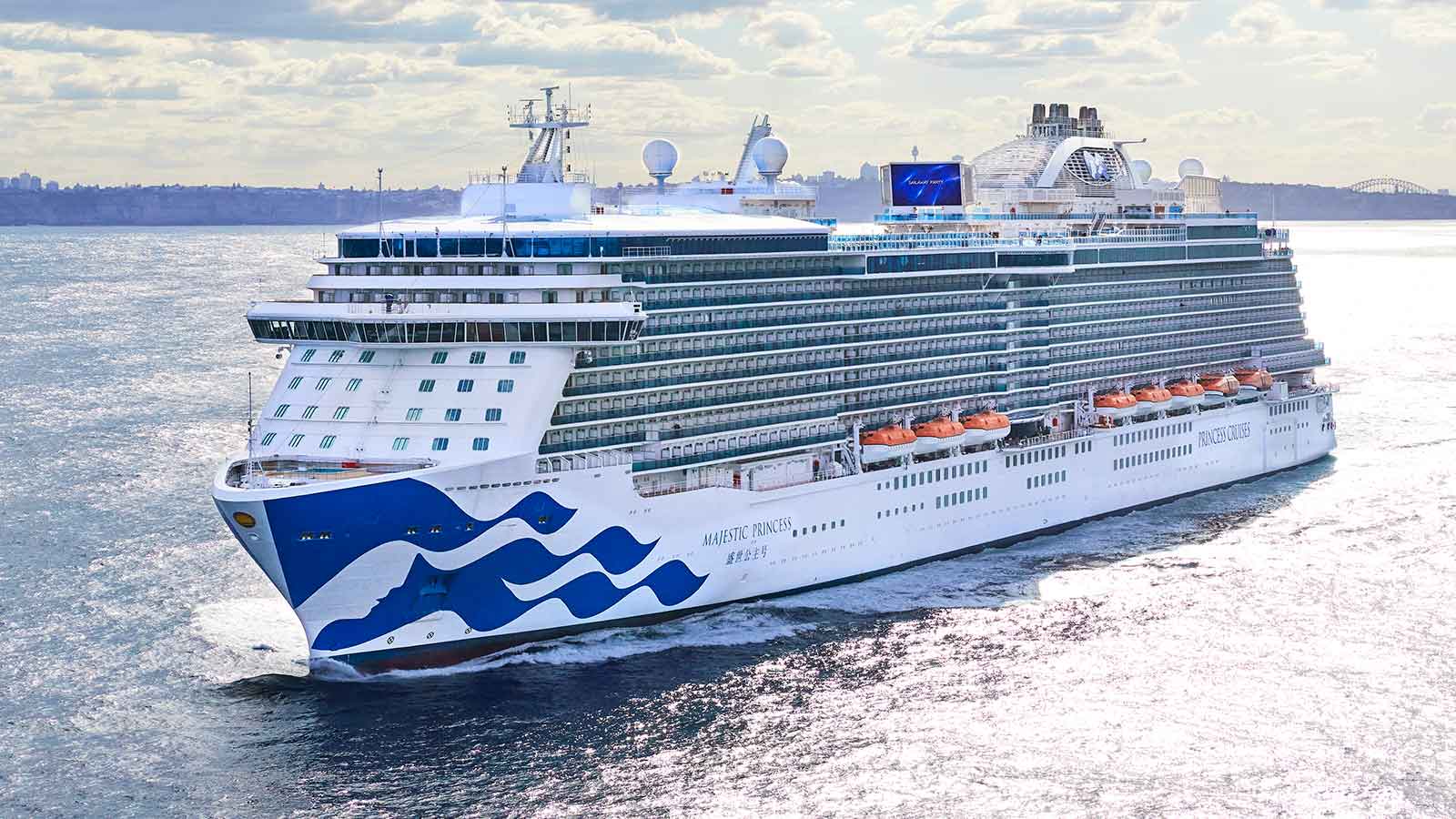
Majestic Princess

In fact, Cruise Planners data shows that Princess 2021 departures are up 11% over the same time last year and almost 40% versus the same time two years ago.

It is this level of loyalty to brands and to cruise vacations in general that has cruise line executives confident that past cruisers will be the ones to bring the industry back once ships can start sailing again. It is that confidence that also prompted Donald to declare during the call with analysts that Carnival expects demand to be “more than adequate to fill ships in a staggered restart” with fewer ships sailing, citing the two-thirds of its global guests, 8 million each year, that are repeat cruisers, and the company’s active database of nearly 40 million past guests over its nine brands.

According to CLIA’s 2020 State of the Cruise Industry Outlook, 82% of cruisers say they are likely to book a cruise as their next vacation.

While that survey was done before the pandemic, UBS Investment Bank recently asked 94 cruisers in the U.S. about  their “inclination to cruise again” and found that, while the sample is small, the survey showed that over 85% of respondents are “likely to cruise again,” while less than 5% say they “will not or [were] unlikely to cruise again.” The remainder says they “will not cruise for a long time.”

Of the cruisers surveyed, 56% expect to take a cruise in the next 18 months, and 16% said they expect to wait until there is a vaccine. Expectations for cruising this year remain somewhat low, the survey found, with 13% of those surveyed expecting to cruise in the next six months.

The Trick to Making a 180,000-Ton Carnival Cruise Ship Feel Cozy - WSJ
Carnival Cruise newest ship Mardi Gras

Reliance on past cruisers and customer loyalty, however, will not long sustain an industry with more than 100 new ships on order through 2027, which Donald acknowledged.

“That doesn’t mean we don’t have work to do once we start cruising with much larger volumes of capacity to attract new-to-cruise,” he said. “Of course, we will have work to do, but right now the brands are strong, the bookings are encouraging, and with the staggered start we’re going to have in the resumption of cruising, there should be plenty of pent-up, latent demand with previous cruise-goers to fill the ships.”