Sun, fun and drinks on a boat? That’s about as logical a brand extension as one could imagine for Sir Richard Branson’s Virgin Group, which plans to field two new, 4,200-passenger cruise ships late this decade and begin selling Caribbean voyages.
Virgin Group’s expansion into the cruise market seems inevitable, given the company’s long experience in travel and hospitality, from airlines to passenger rail to space travel to its first Virgin Hotel, which opens next month in Chicago. In fact, Virgin has been considering a cruise brand for several years, says Evan Lovell, a U.S.-based Virgin executive, but only moved ahead this year, after judging its brand image suitably well-formed and appreciated in the U.S. The United States is by far the world’s largest cruise market, contributing more than half the estimated 22 million people who took a cruise this year, followed by the United Kingdom, Ireland and Germany. There is also room for new brands: Today, three cruise players control more than 80 percent of the market.
Virgin, along with its lead investor, Bain Capital, is betting it can solve for a longstanding problem in the cruise industry: Most customers are loyal, return cruisers, and the industry is keenly seeking to attract first-timers—cruise virgins, as it were. Along with what the industry dubs “cruise nevers,” Virgin will target younger cruisers who “value a fun, youthful, energetic experience,” Lovell says. “There is a misperception that the cruise business is an older person’s experience.”
The company will probably offer four-to-seven-day cruises in the Caribbean, complemented by sailings in the Mediterranean. Virgin’s plans also were delayed due to deliberations about whether to retrofit older ships for the venture or to order new.
Also to Virgin’s advantage, the industry has dialed back its effort to construct ever-larger ships, with more varieties of dining and entertainment. “They’ve reached the point where you can’t simply build a bigger boat,” says Ryan Cotton, a principal with Bain Capital. That suggests to Bain and Virgin that a cruiser’s focus is shifting from the vastness of novel options onboard—bumper cars! rock climbing! skydiving! chocolate buffets!—to a cruise’s overall service and experience. Ship size and over-the-top amenities will fade as the industry settles on ships that accommodate 4,000-4,500 passengers, Cotton says: “The industry has realized that this is almost exactly the sweet spot. It’s big enough to provide all the onboard amenities you need but it’s not too big that customers get lost.”
The largest player in the industry, Carnival, considers land-based vacations its main competition and welcomes a new cruise brand, spokesman Roger Frizzell said in an email. “The cruise marketplace represents only a small percentage of the overall vacation market today, so anything that can help stimulate new cruising guests is good for the industry as a whole,” he wrote.
Of course, as the owner of a 105-foot luxury catamaran called Necker Belle, Virgin founder Branson has plenty of personal seafaring experience. If a Virgin Cruises voyage seems too mass-market, Necker Belle is available for charter–only $110,000 per week.
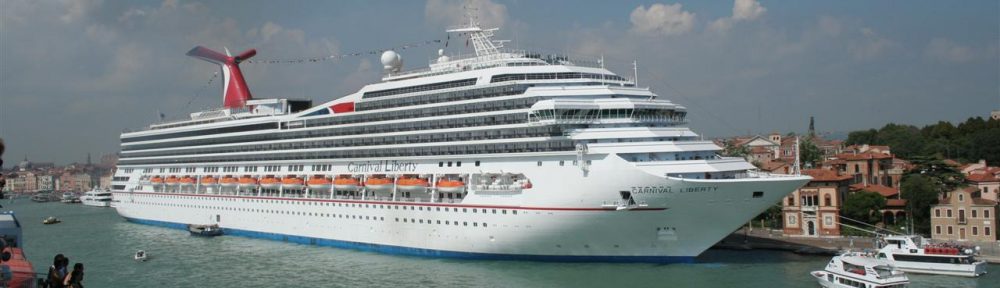
 Virgin Cruises, Richard Branson’s new cruise line, is set to make waves by 2019 and promises to deliver a cruise experience not yet offered by any other cruise line. Today, the cruise industry has been granted a peek into Branson’s plans thanks to a lawsuit filed against Virgin Cruises by Colin Veitch, the former President and CEO of Norwegian Cruise Line. Veitch, a former partner of Branson, claims the Virgin Group stole his plans for a “Virgin style” cruise line.
 The renderings, while undated, would appear to share similarities with many modern cruise ships sailing today, notably with the Royal Caribbean ships mentioned prior.

 Wetravel2u's Weblog