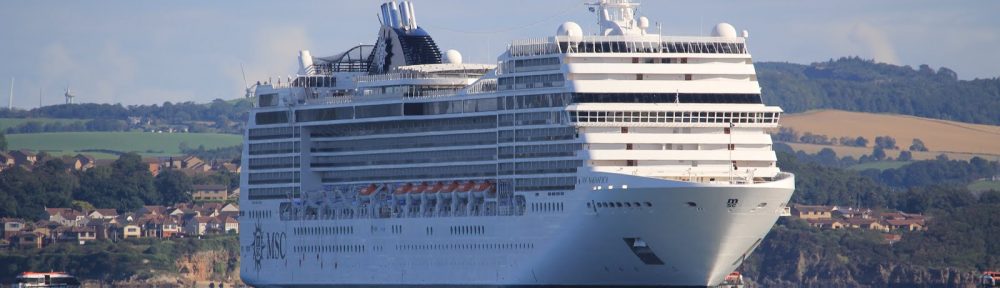
Royal Caribbean loosens restraints on Empress cabins

Image result for empress of the Seas

Empress of the Seas

Inventory for Empress of the Seas will not be released a few months at a time in 2017 as it has been in 2016, Royal Caribbean International president Michael Bayley said on Friday.

The Empress has been sailing short itineraries to the Bahamas and the Caribbean since it returned to Royal Caribbean’s fleet in June. It had been renovated at a cost of $50 million with the intent to use it on itineraries to Cuba.

However, Royal Caribbean has yet to gain approval from Cuban authorities to begin those cruises.

“We really were holding it late and hoping for the itinerary change,” Bayley said during Royal Caribbean Cruises Ltd.’s third-quarter earnings call.

With cabins available only a few months ahead of time, travel agents have difficulty making group bookings that typically require longer to organize than individual ones.

Empress cruises are currently available through April 2017.

Royal Caribbean was also delayed in launching the Empress into Caribbean service by unexpected construction obstacles after the ship was returned from Royal’s Spanish subsidiary Pullmantur.

During the call, Royal Caribbean said projected earnings in the current fourth quarter have been pared by an estimated $13 to $15 million by the delay in getting Empress sailing again and the resulting lost sales momentum.

For the third quarter, RCCL reported net income of $693.3 million on revenue of $2.56 billion. Results are not directly comparable with last year’s third quarter because of a huge write-down on Pullmantur.

Executives said the company is in a better booked position for next year than it was last year at this time, with both loads and pricing ahead of pace. North American demand for Europe is returning in the absence of recent terrorism incidents, they said, although Europe will account for 15% of Royal’s overall capacity in 2017, down from 20% this year.

The Caribbean will rise to 50% of overall capacity with the addition of Harmony of the Seas, which will not sail in Europe next summer as it did this year, and the shift of Celebrity Equinox from Europe to the Caribbean year-round.

After a pause in bookings following Hurricane Matthew, Royal Caribbean began some promotions to restart consumer demand.

Ranking cruise lines’ Rio efforts

Norwegian Getaway in Rio
Three cruise companies made the Rio Olympic Games part of their 2016 strategy, so in the spirit of the competition, it seems only fitting to award them medals for their efforts.

Bronze

Royal Caribbean International is using the Rio games to revive its “Come Seek” TV advertising, which debuted last fall. The choice associates Royal with the international flavor of the Olympics, plus links it with popular athletes such as Michael Phelps and Simone Biles.

Advertisers like Royal spent $1.2 billion on the Olympics, but so far television ratings are down 15.5% from the 2012 games in London, averaging 27.9 million viewers through the first nine nights.

Still, I thought one video was particularly effective. Titled “We Play Games Too,” it shows an aquatic performer on one of Royal’s Oasis-class ships doing a handstand on a diving platform before plunging into what seems like a pool the size of a postage stamp. The ad effectively showcases something that none of Royal’s competitors can duplicate.

Silver

Silversea Cruises, aptly enough, wins the silver for chartering the Silver Cloud as a floating hotel for the U.S. men’s and women’s basketball teams. The charter earned Silversea a boatload of free publicity, including a front-page article in the New York Times.

Sports channels and outlets also picked up on an extended monologue by USA team coach Mike Krzyzewski about staying on the ship, although Chicago Bulls star Jimmy Butler could have shown a little more enthusiasm.

“I just do what I’m told,” Butler said. “I’m told to sleep on a boat, so I sleep on a boat.”

Gold

While Silversea hosted athletes, Norwegian Cruise Line chartered its Norwegian Getaway for use by sports bureaucrats, including members of the International Olympic Federation, the National Organizing Committees, the Rio Host Committee as well as corporate sponsors.

While not as productive on the publicity front, it gave high-ranking influencers from dozens of countries exposure to a cruise ship, and Norwegian in particular, that they might not otherwise have.

Norwegian gained another backhanded benefit. By chartering the Getaway, it removed the 4,000-passenger ship for 40 days from the Miami/Caribbean market, which “helped alleviate some of the pricing pressure” caused by having two big ships in the Miami market during the summer, Norwegian Cruise Line Holdings CEO Frank del Rio said.

Norwegian couldn’t have anticipated that effect when it started charter plans for the Rio games nine years ago, but good luck often plays a role in Olympic wins, as it did for Norwegian here.

Royal Caribbean Teams With World Wildlife Fund

The small Philippine village of Donsol, a remote fishing community on the southern coast of Luzon island, played host early this year for the launch of a new partnership between Royal Caribbean Cruises Ltd. and the World Wildlife Fund (WWF) to help conserve the planet’s oceans.

Richard Fain, chairman and CEO of Royal Caribbean, and Carter Roberts, president and CEO of the WWF in the U.S., were on hand to announce the five-year initiative, a multitarget approach aimed at reducing the cruise line’s carbon emissions as well as boosting its seafood sourcing from certified vendors.

The partnership will also include new destination stewardship targets and sustainability assessment procedures for the many communities around the globe where Royal Caribbean calls, but those specifics aren’t scheduled for release until June 30.

“This is something we are passionate about and something that’s within our will to do,” Fain said. “So for us, this is a no-brainer.”

Explaining that he’s a strong believer in measurable goals, Fain noted that none of the targets will be easy to achieve, but he was confident the initiative would ultimately succeed. And according to Fain, while Royal Caribbean has spent hundreds of millions of dollars on water purifiers and exhaust emission scrubbers, teaming up with the WWF gives the cruise line an opportunity to do something better than it could do on its own.

“When you set the targets yourself, it’s a little bit like a self-imposed deadline,” he said. “If you don’t make it, you change your own deadline. But when you tie in with someone else, and you make a public commitment to those specific measures, it moves the needle.”

Major goals of the partnership include cutting cruise ship greenhouse gas emissions by 35 percent over the next five years, responsibly sourcing 90 percent of its wild-caught seafood and responsibly sourcing 75 percent of its farmed seafood for North America and Europe operations from certified fisheries by 2020.

Royal Caribbean will also make $5 million in philanthropic contributions to the WWF’s global ocean conservation efforts over the next five years.

The targets in the new arrangement are clearly important to the WWF, but according to Roberts, an equally vital part of the deal is the chance to communicate with Royal Caribbean’s millions of customers onboard the company’s vessels, “to tell the story of the ocean, the plight of the ocean and to engage people to act and save the ocean.”

Plans to partner with Royal Caribbean on destination stewardship are also crucial for Roberts, who cited the model of his organization’s years of work with the people and government of Donsol — now home to a flourishing whale shark ecotourism economy — as a solid example of what could be achieved elsewhere.

The impoverished village of Donsol had been sitting on a tourism gold mine, thanks to its proximity to a healthy whale shark breeding ground. The WWF has since helped the community build regulation-based visitor products that not only profit from the region’s natural wonders, but also preserve them.

“This was a small village with a mud path running through the center of town,” Roberts said of Donsol 10 years ago. “Now it’s a prosperous community because of the ability to connect people to the ecological riches here and build businesses around them.”