As Holland America Line continues to prepare and develop its plans to meet the Framework for Conditional Sailing Order issued by the U.S. Centers for Disease Control and Prevention (CDC), the company announced on Wednesday afternoon it is extending its pause of cruise operations for all departures through April 30, 2021.
This includes Alaska, Mexican Riviera, Pacific Coast, Caribbean, Mediterranean and Canada/New England departures.
The line also will cancel all Alaska cruises through mid-May, Alaska departures on three ships through early June, any Land+Sea Journeys connected with cancelled Alaska sailings, Mediterranean cruises through early June and Zaandam’s Canada/New England itineraries through August.
Cruises impacted by this pause in operation are:
All cruise departures through April 30, 2021.
Alaska: Eurodam and Oosterdam through the first week of June (roundtrip from Seattle); Koningsdam through mid-May (roundtrip from Vancouver, British Columbia, Canada); Nieuw Amsterdam and Noordam through mid-May (roundtrip Vancouver and between Vancouver and Whittier, Alaska); and Zuiderdam through early June (roundtrip from Vancouver).
Mediterranean: Volendam cruises through early June (between Venice and Civitavecchia [Rome], Italy); Westerdam through early June (roundtrip from Venice or between Venice and Piraeus [Athens], Greece).
Canada/New England: Zaandam cruises through August (between Boston, Massachusetts, and Montreal, Quebec, Canada).
Guests and their travel agents are being notified of the cancellations and options for Future Cruise Credits (FCC) and rebooking.
Norwegian Cruise Line today announced its 2023 summer itinerary lineup.
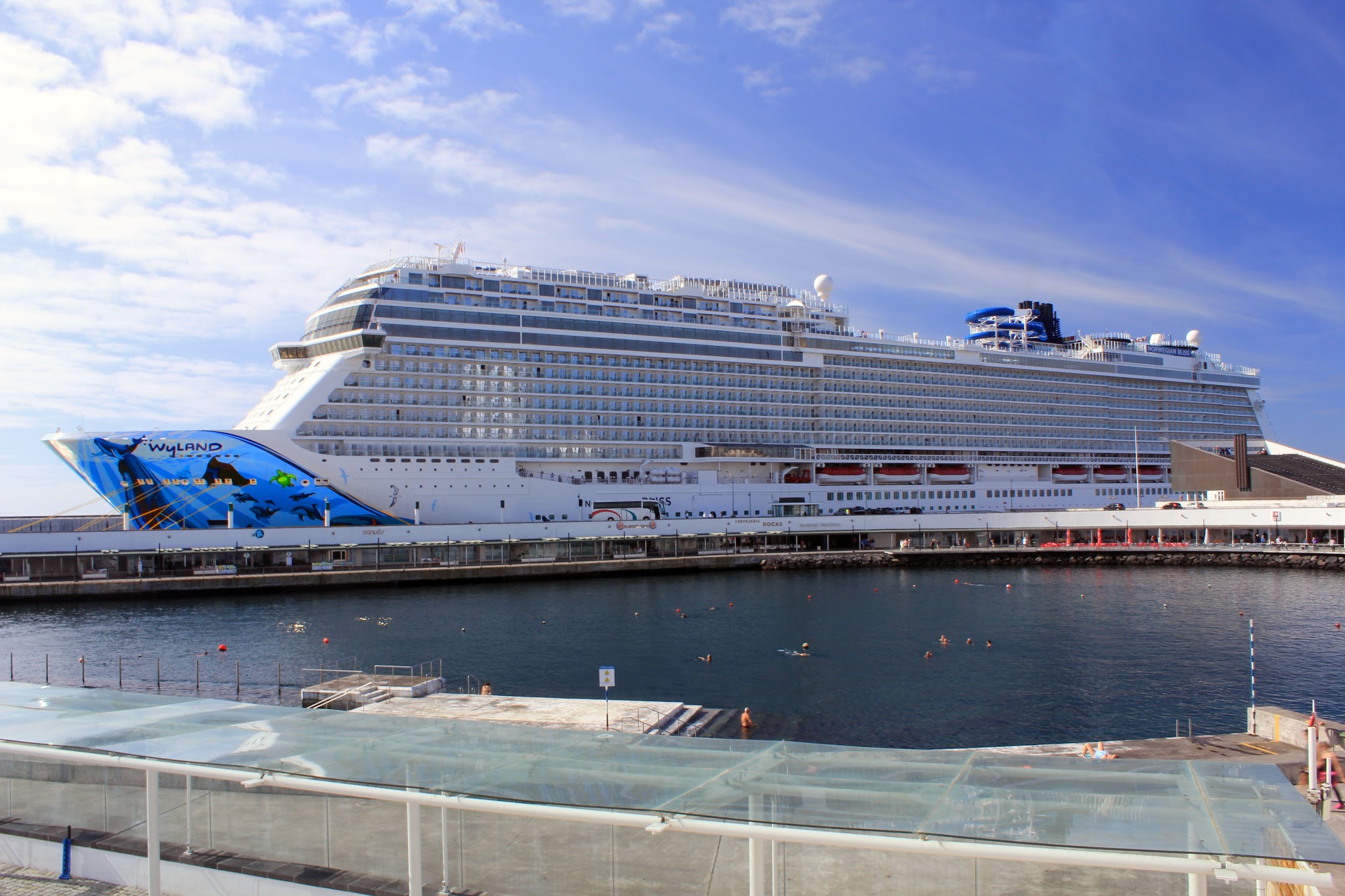
The new itineraries include the brand’s first visit to beautiful Nessebar, Bulgaria on Norwegian Jade’s Extraordinary Journeys sailing through the Mediterranean and the Black Sea; the debut of Norwegian Bliss at the Royal Naval Dockyard during her seven-day roundtrip voyage to Bermuda from New York; Norwegian Jade’s first visit to Bodrum, Turkey and Paros, Greece during her seven-day roundtrip voyage from Athens (Piraeus), Greece; and more.
The company said this is the furthest in advance that it has ever launched its itineraries.
“Now is the time to break free from the hold 2020 has had on us, dream big and plan for the cruise vacation we’ve all been waiting for,” said Harry Sommer, Norwegian Cruise Line president and chief executive officer. “Our newest itineraries along with our incredible, limited-time Black Friday deal provides guests with the perfect opportunity to book, save and indulge in a cruise vacation of a lifetime. We can’t wait to return to the sea, but until we can do so, we are proud to be able to provide our guests with a bit of inspiration, entertainment and behind-the-scenes action with the launch of ‘EMBARK – The Series’.”
Summer 2023 notable itineraries include:
MEDITERRANEAN
The Norwegian Breakaway, Norwegian Epic, Norwegian Gem and Norwegian Jade will sail a selection of five to 11-day cruises through the Mediterranean from May through October.
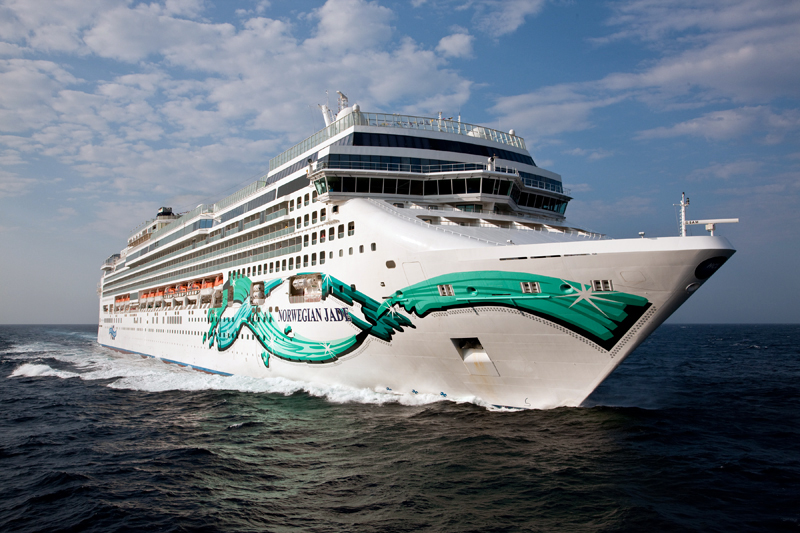
For the first time, Norwegian Cruise Line will visit the ancient city of Nessebar, Bulgaria during Norwegian Jade’s March 30 Extraordinary Journeys sailing. This nine-day roundtrip voyage from Athens (Piraeus), Greece through the Mediterranean and the Black Sea include a port rich itinerary with no sea days.
On her May 21 sailing, the Norwegian Jade will make her debut in Bodrum, Turkey and Paros, Greece as she embarks on a selection of seven-day Greek Isles roundtrip voyages from Athens (Piraeus), Greece, available through Oct. 15.
From May 6 through Oct. 13, the Norwegian Breakaway will offer port-intensive itineraries during her 10-day Greek Isles roundtrip cruises from Rome (Civitavecchia), Italy, visiting Santorini, Greece; Dubrovnik, Croatia; Florence/Pisa (Livorno), Italy; Cannes, France and more.
NORTHERN EUROPE Sailing a series of Northern Europe cruises from May 8 through Oct. 17, Norwegian Getaway’s nine-day Baltic roundtrip voyages from Copenhagen, Denmark feature an overnight stay, a total of 36 hours in port, in St. Petersburg, Russia. The itinerary also includes calls to Warnemünde, Germany; Tallinn, Estonia; Stockholm, Sweden; and Helsinki.
BERMUDA For the first time on her May 21 sailing, the Norwegian Bliss, will call to Norfolk, Virginia. The vessel will also make her debut at the Royal Naval Dockyard in Bermuda as she begins a series of five and seven-day roundtrip cruises sailing out of New York. The itineraries include two overnight stays at the Royal Naval Dockyard
ALASKA Between April 22 and Oct. 15, Alaska will welcome four Norwegian Cruise Line ships: Norwegian Jewel, Norwegian Sun, Norwegian Encore and Norwegian Joy. The ships will sail a variety of five to nine-day voyages from Seattle; Vancouver, Canada; and Seward, Alaska, and every seven and nine-day itinerary.
BAHAMAS Starting June 2 through Dec. 29, the Norwegian Sky will sail three and four-day roundtrip cruises from Miami, calling to Freeport, Nassau and Great Stirrup Cay.
THE CARIBBEAN Cruising roundtrip from Miami, the Norwegian Escape and Norwegian Sky will offer a mix of five to nine-day sailings between Eastern and Western Caribbean. The various itineraries include calls to Puerto Plata, Dominican Republic; St. Thomas, U.S. Virgin Islands; Road Town (Tortola), British Virgin Islands; Great Stirrup Cay, Bahamas; George Town, Cayman Islands; Roatan Island, Honduras; Cozumel, Mexico; Harvest Caye.
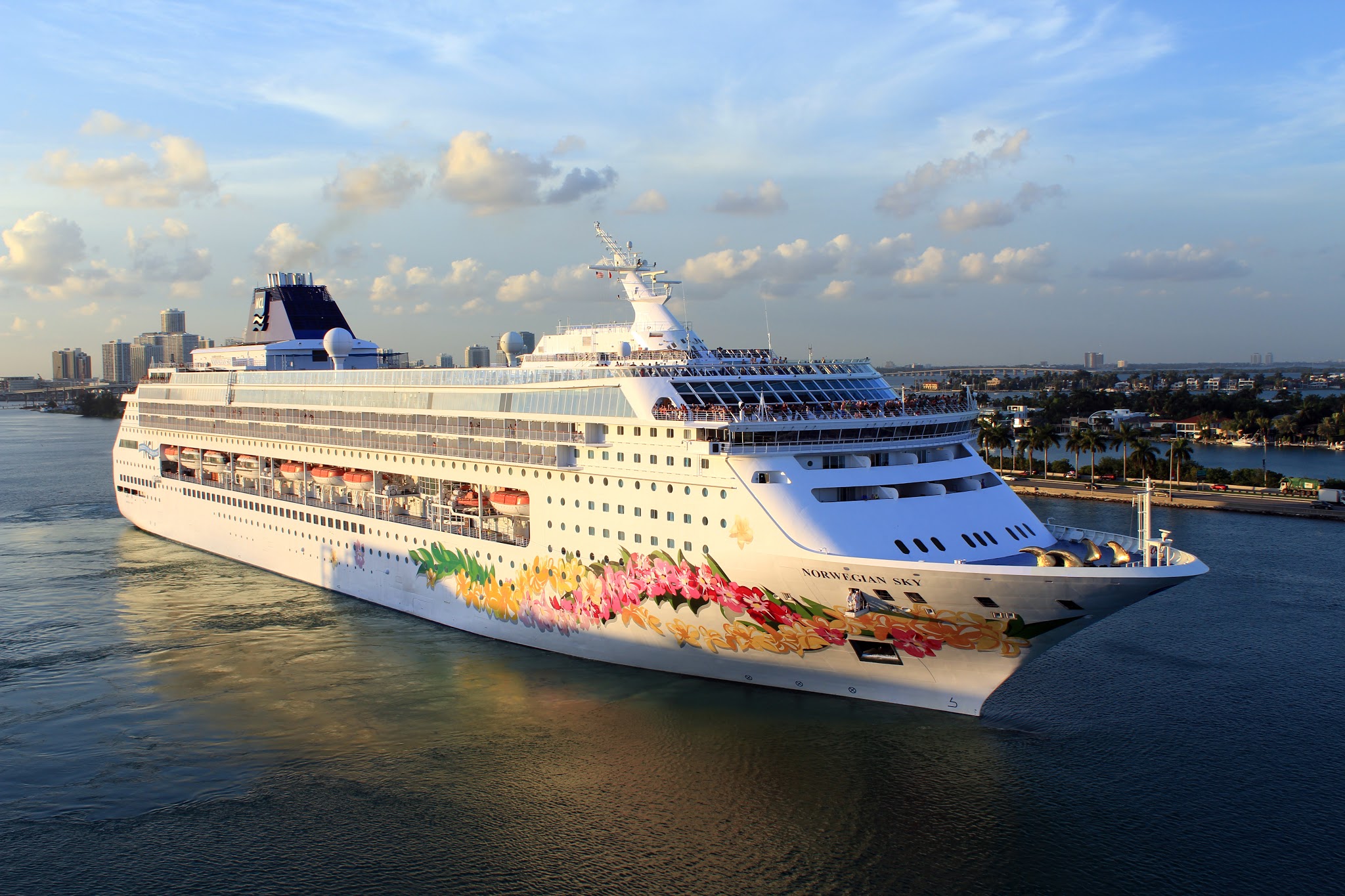
Norwegian Sky leaving the port of Miami
CANADA AND NEW ENGLAND Beginning Aug. 27 through Oct. 29, the Norwegian Escape will homeport in New York City offering seven-day roundtrip cruises to Canada and New England making calls to Newport, Rhode Island; Portland and Bar Harbor, Maine; Saint John and Halifax, Canada. The Norwegian Pearl will sail a series of seven-day open-jaw cruises to and from Boston, and Quebec City, Canada from Aug. 25 through Oct. 13 with visits to Bar Harbor, Maine; Halifax, Sydney, Charlottetown and Saguenay, Canada.
It should come as no surprise that the main topic on everyone’s mind during this year’s Seatrade Cruise Virtual industry convention was COVID-19, with a particular focus on restarting operations. Despite such daunting challenges, the cruise travel market is the most optimistic it has been since shutting down sailings.
Among the takeaways were the following key points.
Testing, Testing, One, Two, Three
More than anything, testing for the novel coronavirus was presented as the most important step for cruising’s eventual return — specifically, the 100% testing of all passengers and crew before boarding any ship as outlined by Cruise Lines International Association (CLIA).
In fact, Rick Sasso, president and CEO of MSC Cruises, believes testing effectively makes vaccines “irrelevant” as tests will help weed out any instances of COVID-19 regardless of who has or who has not been inoculated.
Another common belief is that while testing is a crucial “first gate,” as stated by Dr. Grant Tarling, chief medical officer, Group Health Services at Carnival Corporation, it is still possible that the virus could make its way onboard. Thus, multiple layers of protection including masking and physical distancing, as well as case isolation as needed, will be implemented.
Protocols Not Permanent
It is also good to remember that the strictest health protocols will not be in place forever. Donnie Brown, vice president of maritime policy at CLIA, anticipates stringent measures to exist at the “initial resumption” but looks forward “to being able to scale them back in time.”
He said what will contribute to the eventual loosening of protocols is a combination of easing restrictions on terrestrial travel; the availability of treatments and vaccines; and the remaining prevalence of COVID-19 in source markets and destinations.
Next Up: The Caribbean
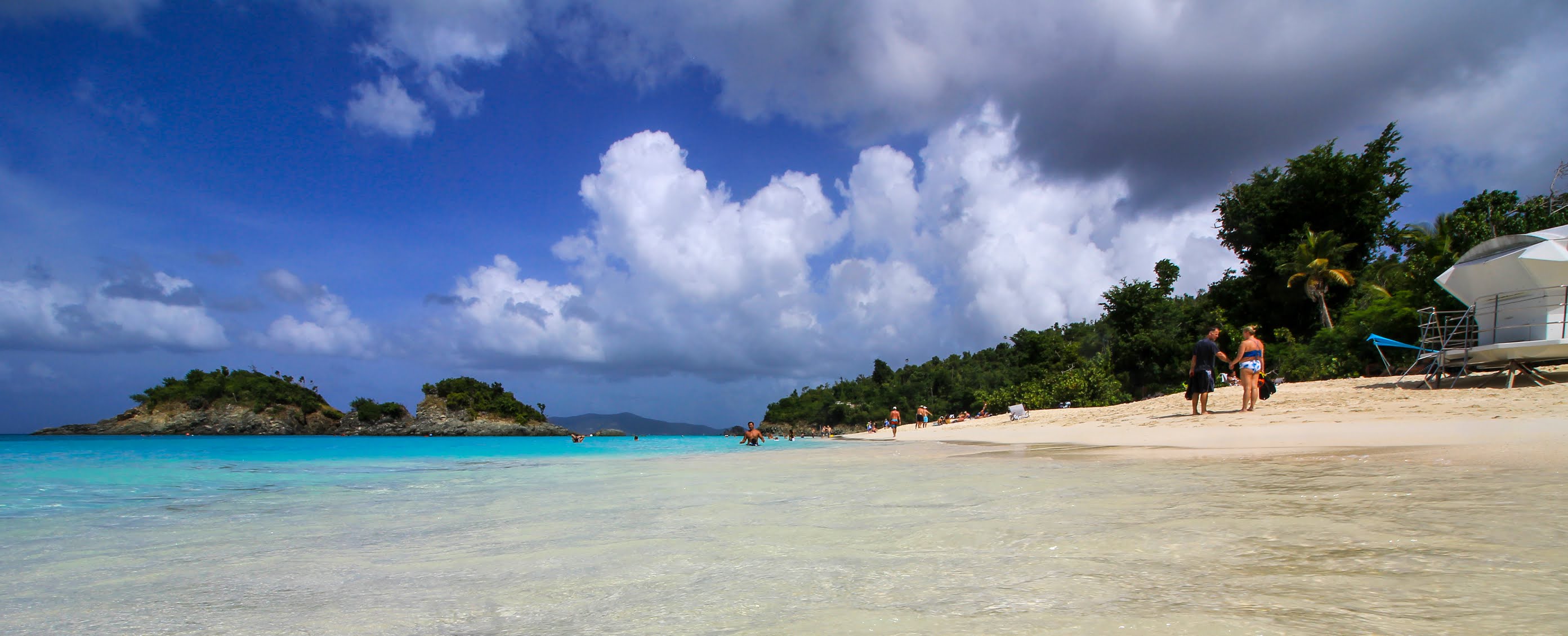
Trunk Bay in St. Johns
The Caribbean is expected to be one of the first destinations to return for North American travellers, who can look forward to a gradual phasing in of ports, not all of which will likely be available on initial itineraries.
Holland America Line’s new president Gus Antorcha emphasized that cruise lines’ own private islands will come into play more to start, but traditional destinations are not out of the running.
Even if there are more restrictions, to begin with, sanctioned shore excursions are not necessarily a bad thing. Josh Leibowitz, president of Seabourn, pointed out that the cruise industry actually started out with “controlled” tours.
Ultimately, “pleasure should not be restricted,” said Clarice Modeste-Curwen, minister for tourism and civil aviation, Grenada Tourism Authority, but the region is rethinking attractions as needed, as well as avoiding mass gatherings with smaller groups. She specifically cited beaches and health-focused tours as good offerings.
It will come down to instilling traveller confidence in destinations and building mutual trust between ports and cruise lines, and those discussions are well underway.
Alaska’s Health Bubble
Both Holland America Line (HAL) and Windstar Cruises have specifically said they are planning for full 2021 Alaska seasons.
Equally anticipating next year’s return are Alaska’s individual ports of call. Skagway, for one, depends on cruising for a staggering 90% of its local economy, according to Andrew Cremata, borough mayor of Skagway.
“We want [guests] to have a completely free experience while they’re in the port,” he said.
Cremata discussed how a health bubble can be created on a ship, but also in a small destination such as Skagway, where visitors can still openly wander beyond shore excursions to hike, shop or dine. Crucial to that will be routinely testing seasonal workers so the local bubble and incoming bubble can safely interact.
Demand and Demographics Remain Steady
Also positive is the news that traveller demand remains high. Colleen McDaniel, editor-in-chief of Cruise Critic, spoke of the emerging trend of “revenge travel,” and the huge desire there is to get back out there, particularly among those who have cruised before. She said cruising is already their preferred vacation, and they miss cruising with friends.
HAL’s Antorcha does not see demographics shifting either. Those who “took travel for granted,” are raring to go, and, perhaps surprisingly, older guests are disproportionately booking cruises right now, he said.
Similarly, MSC’s Sasso believes loyalists will return. First-timers “may have been moved a little bit away from the fence,” he said, but there’s an opportunity to capture a new audience that appreciates all the robust steps the cruise industry is taking to ensure the healthiest of environments.
Travel Advisors Are Key
“Coming out of this, [travel agents] will never be in greater demand,” said Alex Sharpe, president and CEO of Signature Travel Network.
Sadly, Sharpe does foresee a smaller community that is “leaner and meaner,” but also one that has a chance to quickly grow back as consumers need help understanding everything. The additional silver lining, he added, is the potential for greater revenue per advisor with fewer in the market.
To that end, Dan Blanchard, owner and CEO of UnCruise Adventures — who said “God bless agents” — remains very thankful for advisors’ continued support and advised them to become as knowledgeable as possible about all the new protocols to keep their edge moving forward.

 Wetravel2u's Weblog