The Port of Houston is losing both of its homeported ships next year, a victim of a growing focus by North American cruise lines on shifting deployments to Asia.
Both Norwegian Cruise Line and Princess Cruises have announced 2016 schedules that do not include a ship sailing from Houston, where western Caribbean itineraries are typically offered.
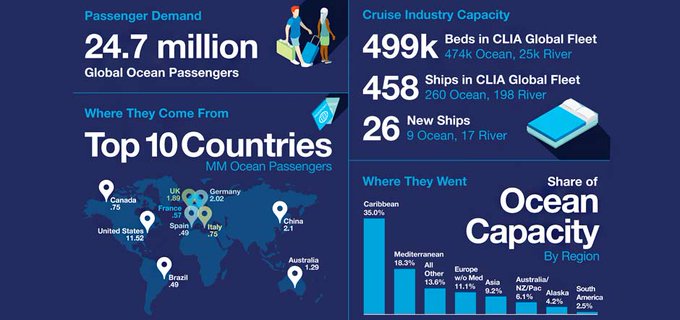
It is the most tangible fallout yet from the cruise industry’s high interest in China, Australia and other Asian markets.
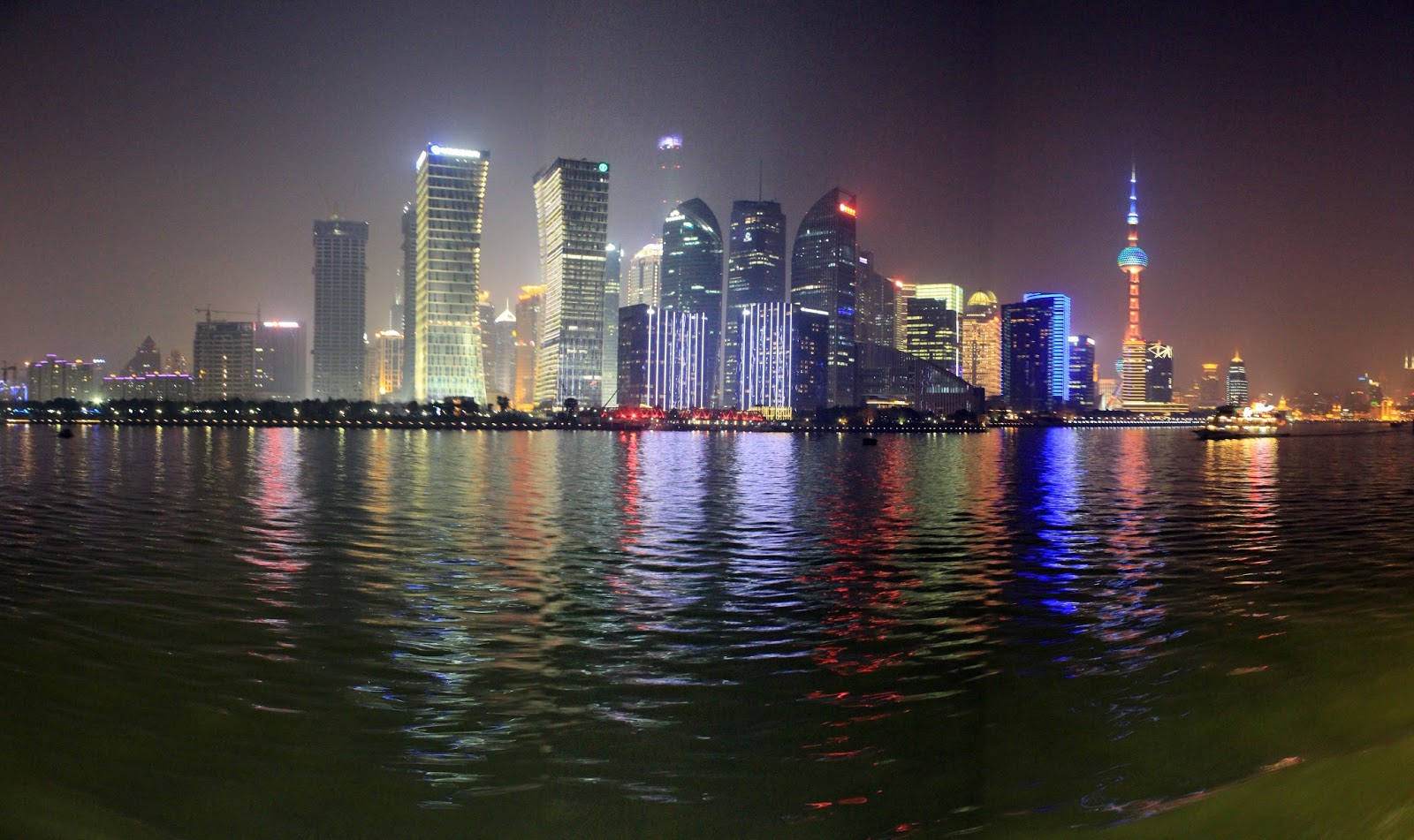
Po Dong, Shanghai at night, photo by Dave Jones
Brian O’Connor, vice president of public relations at Princess Cruises, said the departure from Houston is the final domino in a chain that started when the line moved the Sapphire Princess from Australia to China. The China cruises were announced in 2013 and started in May 2014.
The redeployment of several ships ultimately led Princess to move the Caribbean Princess from Houston to Fort Lauderdale in late 2016, where it will still offer some western Caribbean routes.
But for Texas cruisers, the news means a reduced choice of cruise lines and homeports. Following the moves, instead of five lines sailing from the state, there will be three, and they will depart only from Galveston.
The change doesn’t sit well with Vic Freeland, a retired firefighter who lives about 45 minutes from Austin and is a huge Norwegian Cruise Line supporter.
“Certainly, we’re sad that they’re leaving,” said Freeland, who has tried Carnival Cruise Line and Royal Caribbean International but has cruised much more with Norwegian.
Though Asia deployment is the first cause cited by Princess and others in accounting for the change, another factor could be the expiration next year of financial incentives offered by Houston to lure cruise lines to its Bayport Cruise Terminal.
And Carnival has made a strong push in the last several years in New Orleans and Galveston, raising the level of competition in the crowded western Caribbean.
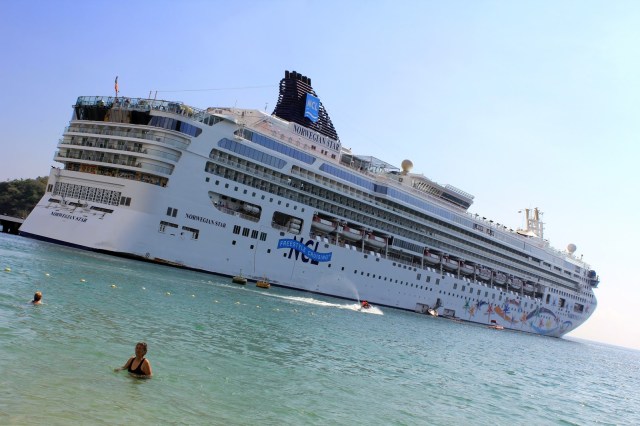
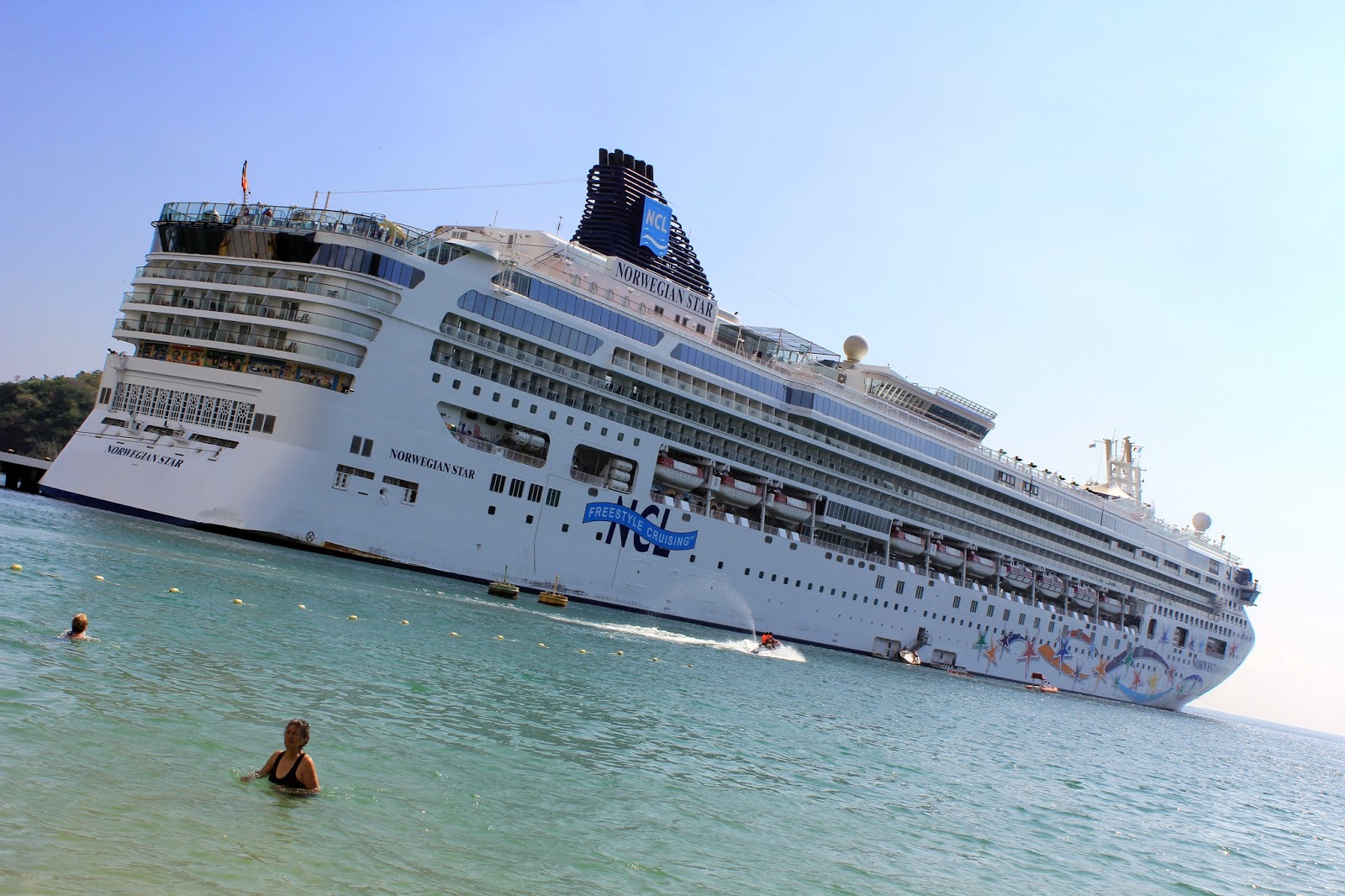
Norwegian Star in Cabo San Lucas, Photo by Dave Jones
Norwegian was the pioneer of what it dubbed “Texaribbean” cruising when in 1997 it launched weekly service with the old 848-passenger Norwegian Star. Since then, it has dropped the market and returned twice, first in 2007 and again in 2014.
Norwegian did not provide a direct rationale for the latest pullout. But in comments on a teleconference with Wall Street analysts, Frank Del Rio, CEO of the cruise line’s parent, Norwegian Cruise Line Holdings, highlighted new Asian service as the cutting edge of its latest deployments.
For the first time in recent memory, Norwegian is sending a ship, the 2,348-passenger Norwegian Star, on Asian and Australian itineraries next year. That will be independent of any decision to position a ship there for Asian-sourced passengers.
Without identifying it, Del Rio said the new deployment “replaces our lowest-yielding seven-day product.”
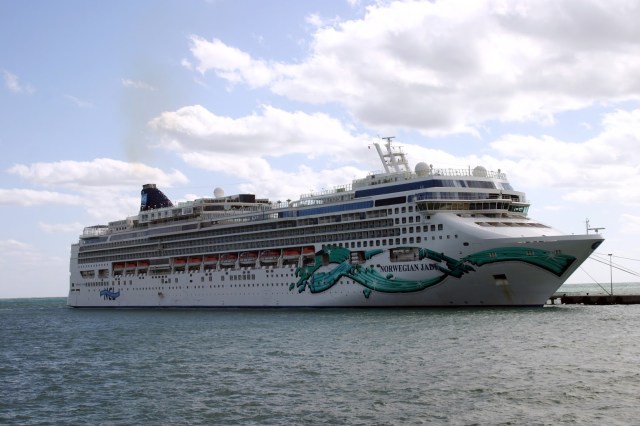
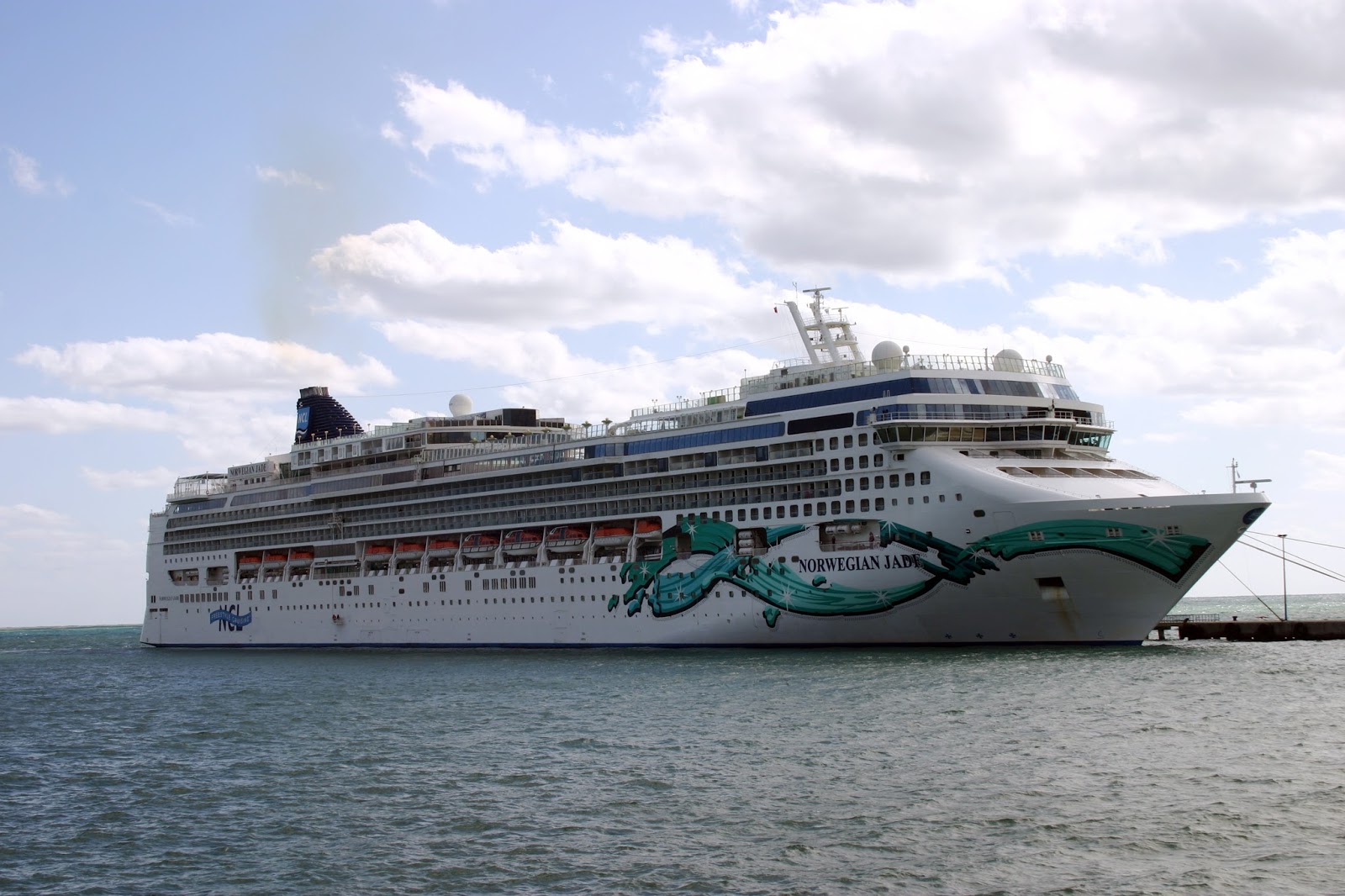
Norwegian Jade in Larnaca, Cyprus. Photo taken by Dave Jones
At the same time, the Norwegian Jade will move from Houston to Tampa, where it will continue to offer seven-night western Caribbean cruises but also mix in a few 10- and 11-night itineraries. The Jade replaces the Asia-bound Norwegian Star, which has been sailing from Tampa.
A somewhat similar game of musical chairs sent the Sapphire Princess to China from Singapore and the Diamond Princess to Singapore from Australia. The Emerald Princess, which had been sailing from Houston, was moved to Australia this year to cover the hole left by the Diamond Princess. Princess plugged the gap by moving the Caribbean Princess to Houston but concluded that wasn’t a good long-term strategy.
“It didn’t make commercial sense for us to market and operate one ship from Houston, so we moved the Caribbean Princess to Fort Lauderdale, where we get economies of scale,” O’Connor said.
That will leave Houston with no cruise ships and a deserted 96,000-square-foot terminal after next spring.
Stan Swigart, port director of marketing and communications, confirmed the view that the port’s misfortune arises from the ascendency of Asia.
“The reasons we’re getting is that they’re redeploying vessels to the Asian and Australian markets, and Houston was just not in the mix,” Swigart said.
Next year also marks the expiration of a reported $6.7 million in financial incentives extended to Princess and Norwegian in 2012 to induce them to sail from Houston’s then-vacant terminal.
A drawback for Houston is the building’s interior location off the Houston Ship Channel some 30 miles from the Gulf of Mexico.
“Galveston’s closer to open water than we are. That may play into it,” Swigart said. “Cruise lines are really finicky. They shuffle the deck a lot, just to keep it fresh.”
After Norwegian’s last departure, in 2007, the $81 million terminal saw no cruise passengers from 2008 to 2013. It was used as a lay-berth port and for ship repairs, Swigart said. At the moment, there are no cruise ships on the horizon that want to dock there, he said.
That’s not the case in Galveston, where Texas-based cruising will consolidate after next year. Carnival has bulked up its presence there, announcing that it will move its newest ship, the Carnival Breeze, to Galveston in 2016 to join the Carnival Liberty and the Carnival Freedom. It also reached a marketing partnership with the Dallas Cowboys and took other steps to attract business.
Galveston is also home to a Disney Cruise Line ship, the Disney Wonder, and to a Royal Caribbean International ship, the Navigator of the Seas.
 Disney Wonder
In November, Royal plans to replace the 3,276-passenger Navigator with the 4,000-passenger Liberty of the Seas. A 60,000-square-foot expansion of the terminal that Royal uses in Galveston was to have been completed by then, but a redesign has pushed back the opening until the spring, port spokeswoman Cristina Galego said.
The expanded terminal will seat an additional 2,000 passengers. Galego said Royal Caribbean has asked the port to provide an air-conditioned tent as a passenger waiting area until the terminal work can be completed.





 Wetravel2u's Weblog