EU Shore Power Regulations Fall Short of Potential

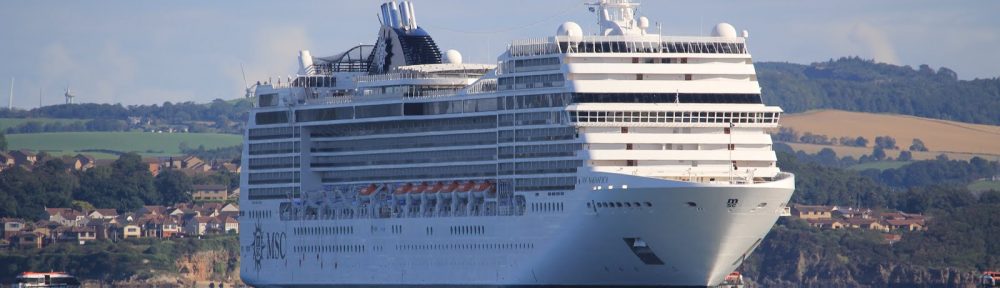
MSC Virtuosa connected to the Shoreside Power System  photo credit Spacejunkie2 (flickr)

The European Union (EU) is in a race to decarbonize the commercial shipping industry, and part of the strategy includes a requirement for ships to plug into shore power across the bloc’s ports. In line with the FuelEU Maritime Regulation and the Alternative Fuels Infrastructure Regulation, container and cruise ships over 5,000 GT must connect to shore power in the largest EU ports come January 2030.

The regulations have been hailed as critical measures in decarbonizing maritime transport, which accounts for three to four percent of total CO2 emissions in the EU. However, achieving shore power ambitions will be a herculean task. According to the International Council on Clean Transportation (ICCT), the bloc will only achieve a 24 percent reduction of at-berth CO2 emissions under the current setup.

The NGO contends that to achieve a 100 percent at-berth reduction in CO2 emissions, the forthcoming revision of both regulations should include a requirement for all ships greater than or equal to 400 GT to connect to shore power in EU ports. To achieve this, the EU will require nearly 1,929 MW of additional shore power installation to meet average at-berth annual energy demands, and 3,342MW for peak energy demand.

It also argues that boilers should also be retrofitted, electrified, or connected to shore power facilities, just like auxiliary engines, because they are responsible for 44 percent of all at-berth CO2 emissions. Boilers would require 36 percent of all needed shore power for ships berthing in EU ports.

The paper highlights that increasing the level of ambitions by including at-berth electricity demand for all ship types greater than or equal to 400 GT could reduce CO2 emissions by 42 percent. Adding more ports would help to avoid 58 percent of the total at-berth CO2 emissions.

Currently 51 ports in 15 EU member states are equipped with 340 shore power connectors, and Sweden, the Netherlands and Germany lead the pack. The current shore power network supplies around 309 MW, mostly for container, passenger and cruise ships.

Though cargo ships are the most common docking in EU ports, accounting for 43 to 46 percent, their energy demands are relatively low at 14 percent of the total. In contrast, despite their small absolute number in the fleet, the energy demand of cruise ships stands at 21-28 percent of the total. 

The largest additional shore power installations will be needed in Italy, Spain and France where energy demand cumulatively stands at 3,004 GWh, mainly due to high cruise ship traffic. Cruise ships alone in the three countries would account for 59 to 63 percent of shore power needed. 

NCL REINTRODUCES COVID-19 TESTS FOR GUESTS EMBARKING IN CHINA

Norwegian Star arriving in Liverpool photo credit Spacejunkie2 (Flickr)

Norwegian Cruise Line has reintroduced Covid-19 testing for all guests who have visited mainland China 10 days before embarkation as cases in the country continue to rise.

The move comes as a result of growing concerns regarding the virus in China, as well as recently implemented travel restrictions by countries including the UK and the US.

Between 5-31 January, guests who have visited mainland China, Hong Kong, or Macau within 10 days prior to embarkation will be required to submit proof of a negative medically supervised PCR test taken within 48 hours prior to the beginning of travel to the port.

This also applies to guests transiting through an airport in one of the countries within 10 days prior to embarkation.


Additionally, guests will be required to take a medically supervised PCR test at the port within eight hours of embarkation and will be required to test onboard the ship every 48 hours until 10 days have passed from their last time in China, Hong Kong, or Macau.


Passengers must also be fully vaccinated and boosted with a World Health Organization-approved vaccine prior to embarkation.

It comes after the EU recommended all passengers travelling from China to the EU should be required to provide evidence of a recent negative test for Covid-19.

China’s foreign ministry spokesperson this week said the restrictions being imposed on travellers from China “lacked scientific basis”, adding the Chinese government would now consider reciprocal countermeasures.

Germany, Italy and Spain join calls for suspension of EU airline refund rules

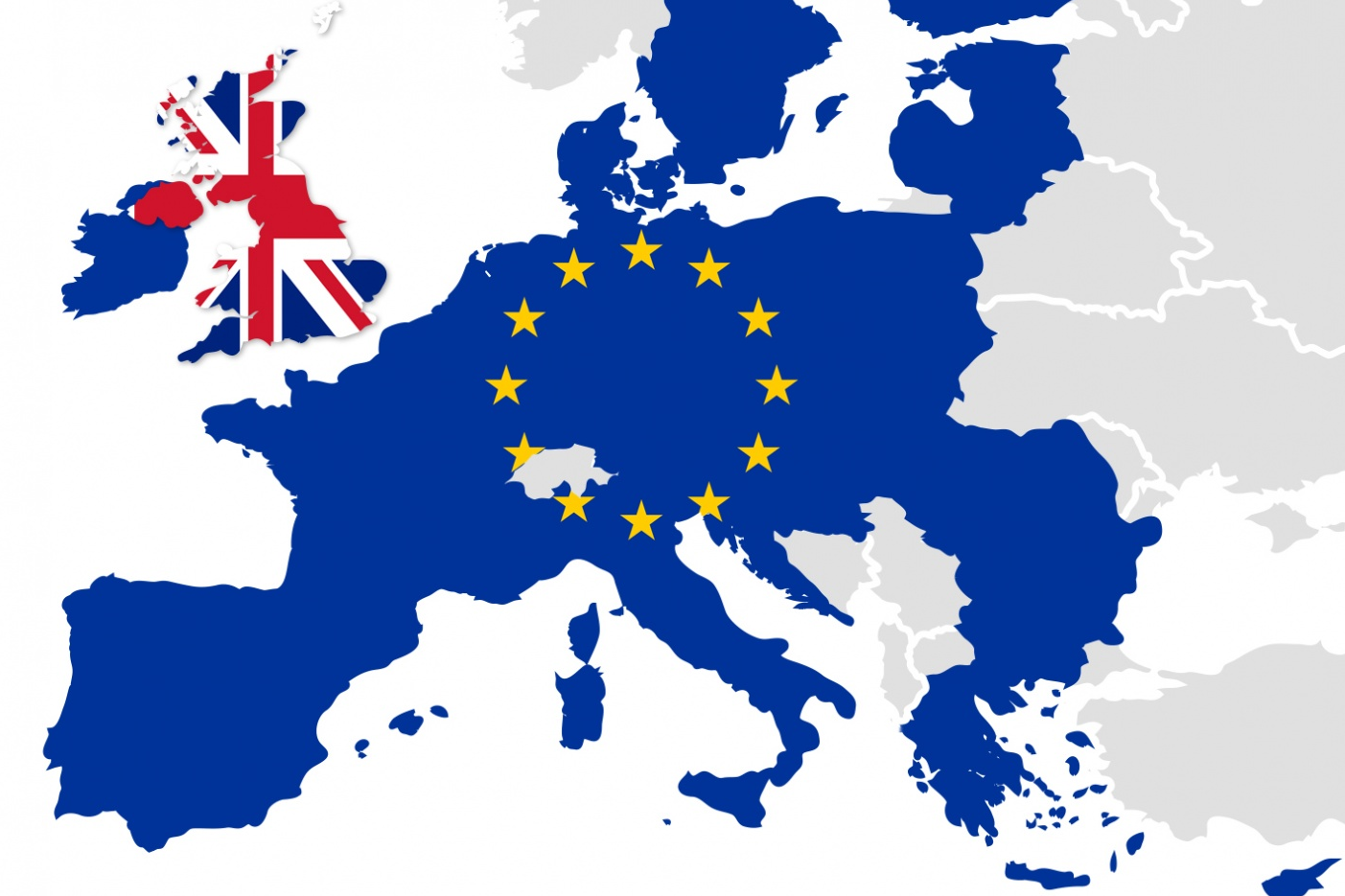
After the Brexit: Quo vadis, EU? | Heinrich Böll Stiftung ...

The governments of Germany, Italy and Spain have joined 12 others in the EU demanding a suspension of airline refund rules.

Under EU 261 denied boarding regulations, airlines must refund customers within seven days of a flight being cancelled.

However, many airlines are facing drastic liquidity issues and are unable to issue cash refunds within that time frame.

The European Commission has issued new guidance and sanctioned credit notes being issued instead of cash only when passengers accept them.

Last Wednesday 12 EU governments called on the union’s executive body to suspend the rules and yesterday Germany, Italy and Spain were reported to have joined them.

French transport minister Jean-Baptiste Djebbari said in a statement: “I’m glad a very large majority of member states are supporting my request to authorise airlines and maritime groups to temporarily use vouchers when trips are cancelled, so as to relieve their cash reserves while protecting passengers’ rights to a refund.”

Governments in favour of a temporary change in the rules have said vouchers should be valid for a set period and include the right to reimbursement if they are not used before the expiry date.

They also want to ensure that financial protection is provided in the case of airline bankruptcies.