Azamara: Investing in Existing Fleet and More Markets

Azamara: Investing in Existing Fleet and More Markets

With a new refurbishment program underway, Azamara is focusing on hardware upgrades and operational agility to drive profitability, according to Chief Executive Officer Dondra Ritzenthaler.

The company last expanded its fleet in 2022, with the introduction of the Azamara Onward, which was acquired from Princess Cruises a year earlier.

According to Ritzenthaler, the company currently sees investment in its own fleet as the biggest opportunity for growth.

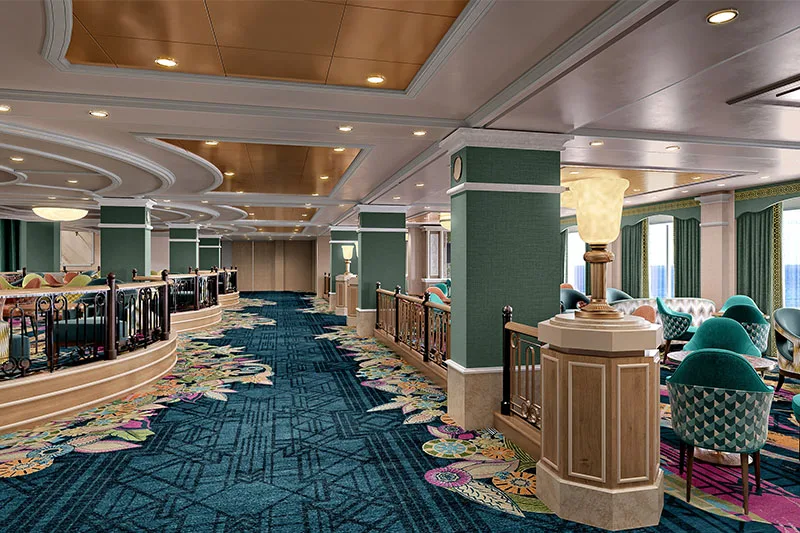
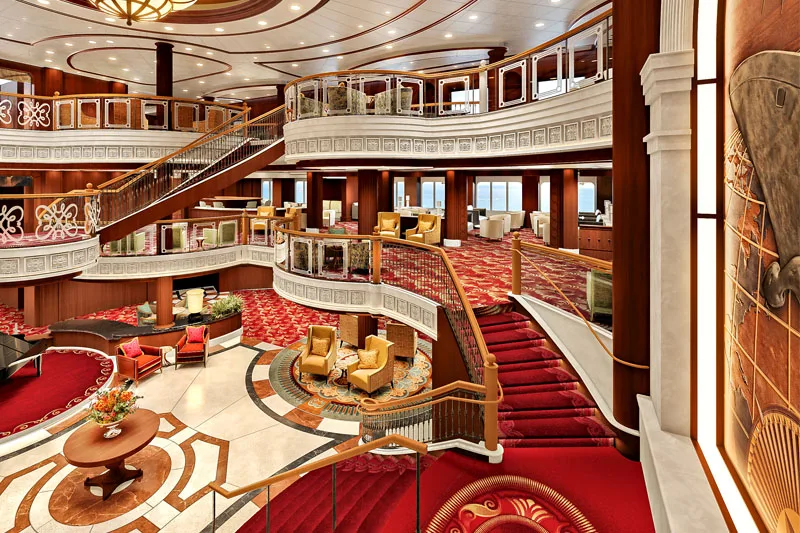
In 2026, Azamara announced the “Forward” refurbishment program, an $80-million project that will see the brand’s four ships undergoing major refits.

Ritzenthaler said that in addition to updates to existing areas of the vessels, the program includes major structural additions.

“We’re literally putting a deck on top of the ship that’s going to have 12 more suites,” she explained.

The first ship to undergo the project is the Azamara Quest, which will debut the new features ahead of its upcoming world cruise in early 2027. The Azamara Onward follows suit later next year.

Beyond hardware upgrades, the company is also planning to expand its global sourcing footprint, paying more attention to new markets around the world, Ritzenthaler said.

Azamara currently sources most of its guests in North America, the United Kingdom, Ireland and Australia, she explained.

Executing these growth strategies is made easier by the lack of corporate bureaucracy inherent in a smaller organization, Ritzenthaler noted.

“You can make changes; you can turn on the dime. And I think when you’re able to do that, then the economics of what you do become much easier to achieve,” she explained.

Ritzenthaler said that Azamara is currently performing extremely well financially from an EBITDA standpoint.

This so-called operational nimbleness is said to be transferred to the brand’s deployment strategy, allowing Azamara to secure premium berthing in highly regulated destinations.

“We simply can go in right into the city center. We literally go up the Seville River where the larger ships have to stay out and tender people in,” Ritzenthaler said.

As some ports push back against large tourist influxes, smaller vessels provide a vital economic lifeline for local communities without overwhelming local infrastructure, Ritzenthaler continued.

The ability to rapidly adjust deployments is also an important defense against external disruptions, including fluctuating fuel prices and regional conflicts.

“We look at this every single day,” Ritzenthaler said, noting that Azamara is in a better position to weather geopolitical issues due to being small and profitable.

She said that when itinerary changes occur, the company relies heavily on its travel advisor network to communicate with passengers, ensuring safety remains a non-competitive priority across the industry.

Speaking of demographics, Ritzenthaler said that the company caters to shifting audiences but tends to naturally attract a specific passenger demographic.

While maturing cruisers looking to step up from premium lines form a significant part of the company’s public, the core Azamara guest is defined by having ample time and resources.

“The average cruise length for us is 12 nights, but many of our customers do back-to-backs or take intensive cruises or even a world voyage,” she said.

“These customers are different customers who really want to get immersed,” noting that the company’s passengers ultimately “love cruising.”

This mindset fosters a strong onboard community, Ritzenthaler added, leading to repeat bookings among affinity groups.

However, despite having an affluent passenger base, the company sees a consistent demand for a clear upfront value.

“No matter how wealthy somebody is, people still love value for money,” she noted, pointing to the line’s inclusive pricing model.

Ritzenthaler said that while external challenges may arise, the company is in a good position to handle situations positively.

“In life, it’s only 10 percent what happens and 90 percent how you handle it, and we’re going to handle it in a positive, nimble, flexible and resilient way.”

Six Cruise Ships Remain Stuck in the Arabian Gulf

Six Cruise Ships Remain Stuck in the Arabian Gulf

Six cruise ships remain stuck in the Arabian Gulf after their operations in the region were halted in late February.

With the Strait of Hormuz virtually closed to international maritime traffic, the vessels are unable to leave the area and start repositioning voyages to other parts of the world.

MSC Euribia
Cruise Line: MSC Cruises

Current Location: Dubai, United Arab Emirates
Next Scheduled Cruise Departure: May 2, 2026, from Kiel, Germany
Upcoming Itineraries: Northern Europe and Scandinavia

Docked at the port of Dubai since February 27, 2026, the MSC Euribia is scheduled to resume service in Northern Europe on May 2, 2026.

As the largest ship currently in the Arabian Gulf, the 5,400-passenger vessel is set to spend the summer offering seven-night cruises to the Norwegian Fjords departing from Germany and Denmark.

Celestyal Journey
Cruise Line: Celestyal Cruises

Current Location: Doha, Qatar
Next Scheduled Cruise Departure: April 4, 2026, from Piraeus, Greece
Upcoming Itineraries: Eastern Mediterranean and the Greek Islands

While all passengers were able to safely disembark the ship earlier this month, the Celestyal Journey remains docked in Doha, Qatar.

The 1993-built vessel is so far scheduled to embark on a repositioning voyage to Greece ahead of kicking off a series of itineraries to the Eastern Mediterranean and the Greek Islands on April 4, 2026.

Celestyal Discovery
Cruise Line: Celestyal Cruises

Current Location: Dubai, United Arab Emirates
Next Scheduled Cruise Departure: April 3, 2026, from Lavrion, Greece
Upcoming Itineraries: Eastern Mediterranean and the Greek Islands

Set to spend the summer in the Eastern Mediterranean, the Celestyal Discovery is another ship currently docked at the port of Dubai in the United Arab Emirates.

After having four of its sailings in Europe cancelled due to the situation, the 1,360-passenger ship is currently scheduled to welcome guests back on April 3, 2026, in Lavrion, Greece.

Mein Schiff 4
Cruise Line: TUI Cruises

Current Location: Abu Dhabi, United Arab Emirates
Next Scheduled Cruise Departure: April 11, 2026, from Cape Town, South Africa
Upcoming Itineraries: Repositioning voyage via Africa, followed by summer in the Eastern Mediterranean

The Mein Schiff 4 from TUI Cruises is currently docked at the port of Abu Dhabi in the United Arab Emirates.

While the first leg of its repositioning cruise was cancelled earlier this month, the vessel is still scheduled to offer the second segment of its voyage.

Sailing from South Africa to Spain, the 20-night cruise is set to depart from Cape Town on April 11, 2026, and will be followed by a summer season in the Eastern Mediterranean.

Mein Schiff 5
Cruise Line: TUI Cruises

Current Location: Doha, Qatar
Next Scheduled Cruise Departure: April 17, 2026, from Palma de Mallorca, Spain
Upcoming Itineraries: Eastern Mediterranean, Greek Islands and Turkey

The Mein Schiff 5 is also stranded in the Arabian Gulf after the remainder of its season in the region was cancelled in late February.

Currently docked in Doha, the 2,500-passenger ship had its repositioning voyages cancelled and is now scheduled to welcome guests back in Spain on April 17, 2026.

Aroya
Cruise Line: Aroya Cruises

Current Location: Dubai, United Arab Emirates
Next Scheduled Cruise Departure: May 14, 2026, from Jeddah, Saudi Arabia
Upcoming Itineraries: Spring Season in the Red Sea followed by summer in the Eastern Mediterranean

Initially set to operate in the region between February and May, the Aroya completes the lineup of cruise ships in the Arabian Gulf.

Docked in Dubai, the Aroya Cruises vessel is slated to resume revenue service on May 14, kicking off a spring season in the Red Sea with itineraries departing from Saudi Arabia.

Everllence and Plastic Fischer Fight Against Plastic Waste

Everllence and Plastic Fischer Fight Against Plastic Waste

Everllence has signed a three-year sponsorship agreement with social enterprise Plastic Fischer, which will see the clearing of rivers near Everllence locations in India of plastic waste.

Plastic Fischer is a Cologne-based startup that combats ocean plastic pollution while creating jobs in emerging countries. As part of the partnership, regular joint-collection campaigns with employees will take place at Everllence locations in India.

Everllence said in a press release that the partnership will enable Plastic Fischer to collect and recycle between 450 and 500 tons of plastic over the next three years.

A total of seven floating barriers will be installed in Vadodara and Bangalore to capture plastic from the river. The startup will also use the funding to open two material-recovery facilities to sort and recycle the collected materials.

In the first year, these measures are expected to create 20 local jobs.

Uwe Lauber, CEO of Everllence, said: “Protecting oceans and waterways is especially important to us. Plastic Fischer has been carrying out impressive work in this field for many years, and we are proud and happy to support their mission.”

Karsten Hirsch, CEO and founder of Plastic Fischer, said: “We are very pleased to take our next big step with Everllence and expand into two new locations at once.”

“This long-term support will help us build infrastructure and drive sustainable change on-site. We are proud to have earned Everllence’s trust to build a flagship project with a strong local impact together,” Hirsch added.

Michael Melzer, head of experience communications and responsible for donations and sponsorships at Everllence, said: “What convinced us about Plastic Fischer, in addition to our shared commitment to protecting waterways, was its local approach.”

“Together, not only can we fight plastic waste, but we can also make a contribution to local economic development around our Indian sites. Furthermore, our employees in Bangalore and Vadodara can volunteer in the cleanups; it’s a great cooperation,” added Melzer.

Plastic Fischer uses barriers called TrashBooms to capture plastic directly in rivers.

Non-recyclable waste is processed in cement plants, serving as a more environmentally friendly alternative to landfill or incineration, as it produces no residues like ash and simultaneously replaces fossil fuels.