Cunard Reveals Plans for Queen Victoria Transformation
Cunard has unveiled its plans for an extensive transformation of the Queen Victoria, with the ship set to emerge from drydock this autumn with refreshed signature spaces.
Other modifications include Cunard Grills suites and the introduction of The Pavilion Wellness Café.
Katie McAlister, president of Cunard, said: “We are thrilled to have the opportunity to refine the experiences and spaces the Queen Victoria offers, with every decision approached with deep respect for the heritage and charm that make her who she is.”
“From the Grand Lobby to the Queen’s Room, every detail has been thoughtfully considered to ensure the Queen Victoria continues to deliver the timeless luxury she is known and loved for. We can’t wait to welcome guests back onboard to experience these beautiful enhancements for themselves,” added McAlister.
Cunard stated in a press release that the ship will enter drydock at Damen Shiprepair in Rotterdam from October 17 to November 5, 2026.
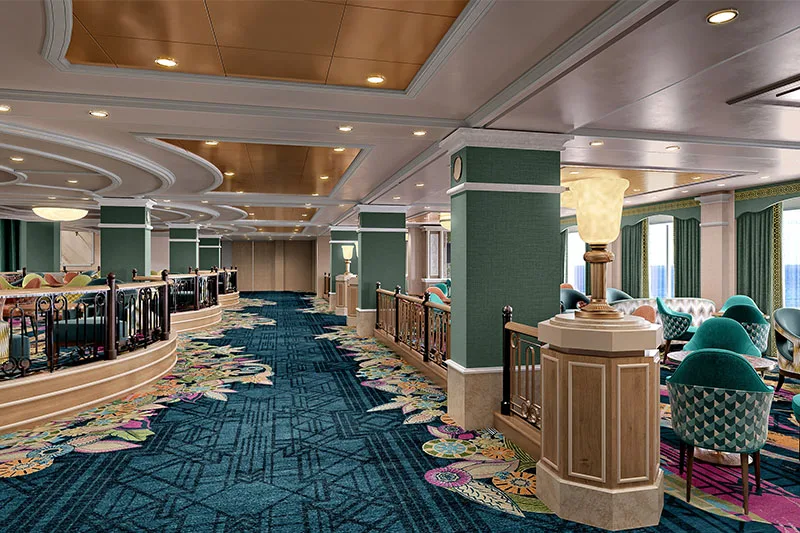
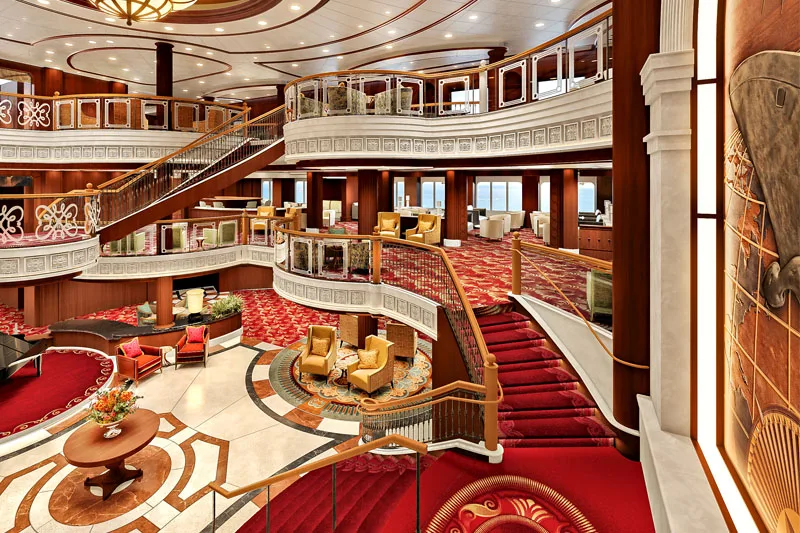
The ship’s signature spaces will each be revitalized, with a refreshed Grand Lobby to enhance the sense of arrival.
The iconic Queens Room will also be reimagined, ensuring it sets the scene for Cunard’s signature Afternoon Tea, live music and Gala Evenings.
Queens Grill and Princess Grill Suites will be enhanced with sumptuous furnishings, sophisticated detailing and design.
Eight additional Britannia staterooms will also be introduced, including three from a new premium category, Britannia Deluxe Oceanview, featuring floor-to-ceiling windows for panoramic ocean views.
The new staterooms will go on sale from July 20 for voyages sailing from November 11, 2026.
In addition, the Queen Victoria will become the third Queen in the Cunard fleet to introduce The Pavilion Wellness Café, following its launch on the Queen Anne in 2024 and introduction on Queen Elizabeth in 2025.
The wellness-focused venue will serve breakfast, lunch and daytime dining with a menu offering plant-based cuisine alongside sustainably sourced meat, fish and dairy.
Four Seasons II Revealed with New Yacht Residential Suites
Four Seasons Yachts has introduced the Four Seasons II, which showcases a new caliber of accommodation through its Yacht Residential Suites. The ship will start sailing in 2028, debuting in April in the Eastern Mediterranean following its delivery from Fincantieri.
“Following an exceptional launch for this new venture, we are thoughtfully expanding our fleet in a way that continues to elevate the experience,” said Ben Trodd, CEO, Marc-Henry Cruise Holdings Ltd., joint owner/operator of Four Seasons Yachts.
“The Four Seasons II builds on this foundation, introducing new offerings on the water while deepening personalization and expanding access through the introduction of residential-scale suites,” added Trodd.
“Every detail has been considered to ensure guests feel an effortless sense of home, wherever they are sailing.”
The new yacht will feature 79 expansive suites, including a new collection of Yacht Residential Suites alongside a one-to-one guest-to-staff ratio.
“Four Seasons has always been defined by the quality of experience we create and the genuine care with which we deliver it,” said Alejandro Reynal, president and CEO of Four Seasons.
“Our first vessel has shown how naturally this extends to sea. With the Four Seasons II, we will continue to build on that foundation, creating experiences that feel deeply personal, thoughtfully designed, and unmistakably Four Seasons,” added Reynal.
Debuting in 2028, the Four Seasons II will mirror the intimate scale and design-forward philosophy of the first vessel, while introducing the new and expansive Yacht Residential Suites.
Designed for those seeking the ultimate in space, privacy and flexibility, the suites offer a residential-scale experience at sea, complete with open-concept living, private terraces and bespoke service tailored to each guest.
Ranging from two- to four-bedroom suites and positioned across the upper decks, the Yacht Residential Suites are ideal for extended stays, group travel and multi-generational journeys.
Features include integrated lifestyle kitchens and dining spaces, dedicated entertainment areas, and, in select suites, private splash pools, outdoor showers and wellness-focused amenities.
A dedicated concierge ensures every detail, from personalized dining to curated Shore and Sea Experiences, is arranged.
Voyages for the inaugural season are now open for booking.
Azamara: Investing in Existing Fleet and More Markets
With a new refurbishment program underway, Azamara is focusing on hardware upgrades and operational agility to drive profitability, according to Chief Executive Officer Dondra Ritzenthaler.
The company last expanded its fleet in 2022, with the introduction of the Azamara Onward, which was acquired from Princess Cruises a year earlier.
According to Ritzenthaler, the company currently sees investment in its own fleet as the biggest opportunity for growth.
In 2026, Azamara announced the “Forward” refurbishment program, an $80-million project that will see the brand’s four ships undergoing major refits.
Ritzenthaler said that in addition to updates to existing areas of the vessels, the program includes major structural additions.
“We’re literally putting a deck on top of the ship that’s going to have 12 more suites,” she explained.
The first ship to undergo the project is the Azamara Quest, which will debut the new features ahead of its upcoming world cruise in early 2027. The Azamara Onward follows suit later next year.
Beyond hardware upgrades, the company is also planning to expand its global sourcing footprint, paying more attention to new markets around the world, Ritzenthaler said.
Azamara currently sources most of its guests in North America, the United Kingdom, Ireland and Australia, she explained.
Executing these growth strategies is made easier by the lack of corporate bureaucracy inherent in a smaller organization, Ritzenthaler noted.
“You can make changes; you can turn on the dime. And I think when you’re able to do that, then the economics of what you do become much easier to achieve,” she explained.
Ritzenthaler said that Azamara is currently performing extremely well financially from an EBITDA standpoint.
This so-called operational nimbleness is said to be transferred to the brand’s deployment strategy, allowing Azamara to secure premium berthing in highly regulated destinations.
“We simply can go in right into the city center. We literally go up the Seville River where the larger ships have to stay out and tender people in,” Ritzenthaler said.
As some ports push back against large tourist influxes, smaller vessels provide a vital economic lifeline for local communities without overwhelming local infrastructure, Ritzenthaler continued.
The ability to rapidly adjust deployments is also an important defense against external disruptions, including fluctuating fuel prices and regional conflicts.
“We look at this every single day,” Ritzenthaler said, noting that Azamara is in a better position to weather geopolitical issues due to being small and profitable.
She said that when itinerary changes occur, the company relies heavily on its travel advisor network to communicate with passengers, ensuring safety remains a non-competitive priority across the industry.
Speaking of demographics, Ritzenthaler said that the company caters to shifting audiences but tends to naturally attract a specific passenger demographic.
While maturing cruisers looking to step up from premium lines form a significant part of the company’s public, the core Azamara guest is defined by having ample time and resources.
“The average cruise length for us is 12 nights, but many of our customers do back-to-backs or take intensive cruises or even a world voyage,” she said.
“These customers are different customers who really want to get immersed,” noting that the company’s passengers ultimately “love cruising.”
This mindset fosters a strong onboard community, Ritzenthaler added, leading to repeat bookings among affinity groups.
However, despite having an affluent passenger base, the company sees a consistent demand for a clear upfront value.
“No matter how wealthy somebody is, people still love value for money,” she noted, pointing to the line’s inclusive pricing model.
Ritzenthaler said that while external challenges may arise, the company is in a good position to handle situations positively.
“In life, it’s only 10 percent what happens and 90 percent how you handle it, and we’re going to handle it in a positive, nimble, flexible and resilient way.”



 Wetravel2u's Weblog