
During the downtime before the new year, travel agents can improve their technology skills. Mastering technology can include figuring out how to use your smartphone or tablet or, better yet, invest some time exploring how to use social media to take advantage of current trends like context marketing.
Context marketing has been around awhile, but for some travel agents it could mean new business opportunities. The goal of context marketing is to create marketing strategies that are both personal and relevant to the consumer.
We know consumers are spending time online researching trip ideas and reading reviews about airlines, destinations, vacation packages, hotels and cruise ship vacations. In fact, in a tracking study commissioned by Google to better understand the role of travel in the lives of U.S. consumers, it was reported that 68% of the respondents began researching online before they decided where or how to travel, vs. 65% in 2012. Travel agents need to be where consumers are online early in the planning phase to offer guidance and expertise (see the “2013 Traveler” study at www.google.com/think/).
While consumers are researching online, agents can take advantage of the information they leave behind.
To get started, agents can perform searches on their clients’ and prospects’ social media accounts to gain an understanding about their audience and how they consume content for use in highly personalized marketing campaigns.
Because most travel agents lack the resources needed to retain the services of third-party consultants to help them design context marketing strategies, I have compiled a list of best practices to get you on track for success. Below, you will find suggestioins for how you can integrate context into content that drives results.
 • Be your own data analysis expert. Spend time analyzing and gathering demographic data about your audience. Figure out their likes, dislikes and topics that interest them. Once you have sufficient data, create targeted email campaigns or social media updates that are personal and relevant.
Savvy travel agents are learning how to use the vast amounts of user-supplied data left on social media sites like Facebook. Spend time reviewing information in your friends’ newsfeeds and discover what interests your clients and prospects who follow you on Facebook. Study their likes, dislikes and interactions with travel suppliers for context clues. This information is helpful for creating custom marketing materials to match the right travel product to the individual, which adds value and creates business opportunities.
• Take advantage of Facebook’s custom list feature, which enables users to organize Facebook friends into categories. This feature will come in handy when looking for context clues to use in future marketing campaigns.
• Another source for finding context cues is on TripAdvisor. Try linking your Facebook account to TripAdvisor. Once you have done so, log in to TripAdvisor with your Facebook credentials.
Do some destination research and pay attention to the sidebar on the right (see screenshot above), which displays recommendations from your Facebook friends. This information can come in quite handy for trend spotting and for seeing which Facebook friends are sharing on social platforms.
Knowing how to leverage context about your audience, prospects, leads and clients in your digital marketing campaigns enables travel professionals to present content in a frame of reference that is more likely to result in a response to take action.
• Research what is trending on your favorite supplier’s Facebook pages and then create Pinterest boards that reflect those trends to tell the story. Then share links to your Pinterest boards with your audience, and share your expertise about the topic. Your goal is to offer guidance that helps people learn the unique selling points regarding the products you sell.
• Be flexible and willing to adapt marketing efforts. Knowing what interests your audience online is just one piece of the context-marketing puzzle.
• Another area travel agents can focus on is metrics. Having a system in place to track conversions is necessary to determine if your marketing efforts are successful.
• Be sure to track conversions and measure your return on investment per campaign.
• Keep track of website traffic and correlate with content marketing campaigns.
Finally, use and measure traffic coming from social channels. Pinterest is great for referral traffic and with specific Product and Places pins now available, it is easier than ever to take advantage of the third largest social network.
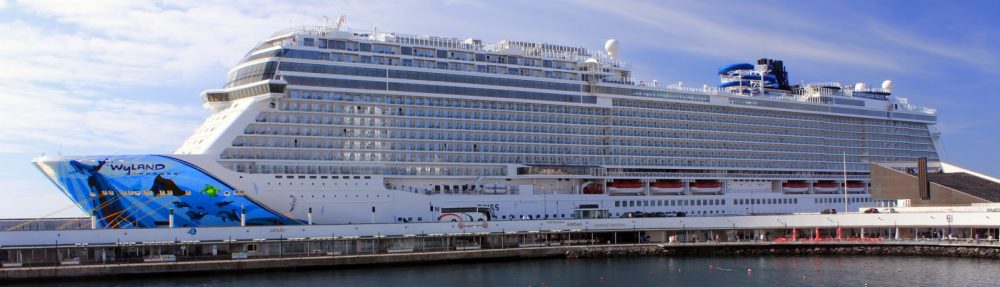
 Sometimes the reasons people cruise can’t be found in any catalog or sales brochure. The passenger who took 33 consecutive cruises aboard the Carnival Elation earlier this year is an extreme example.

 Wetravel2u's Weblog