Royal Caribbean Drops ‘Cruise Line’ from Group Name

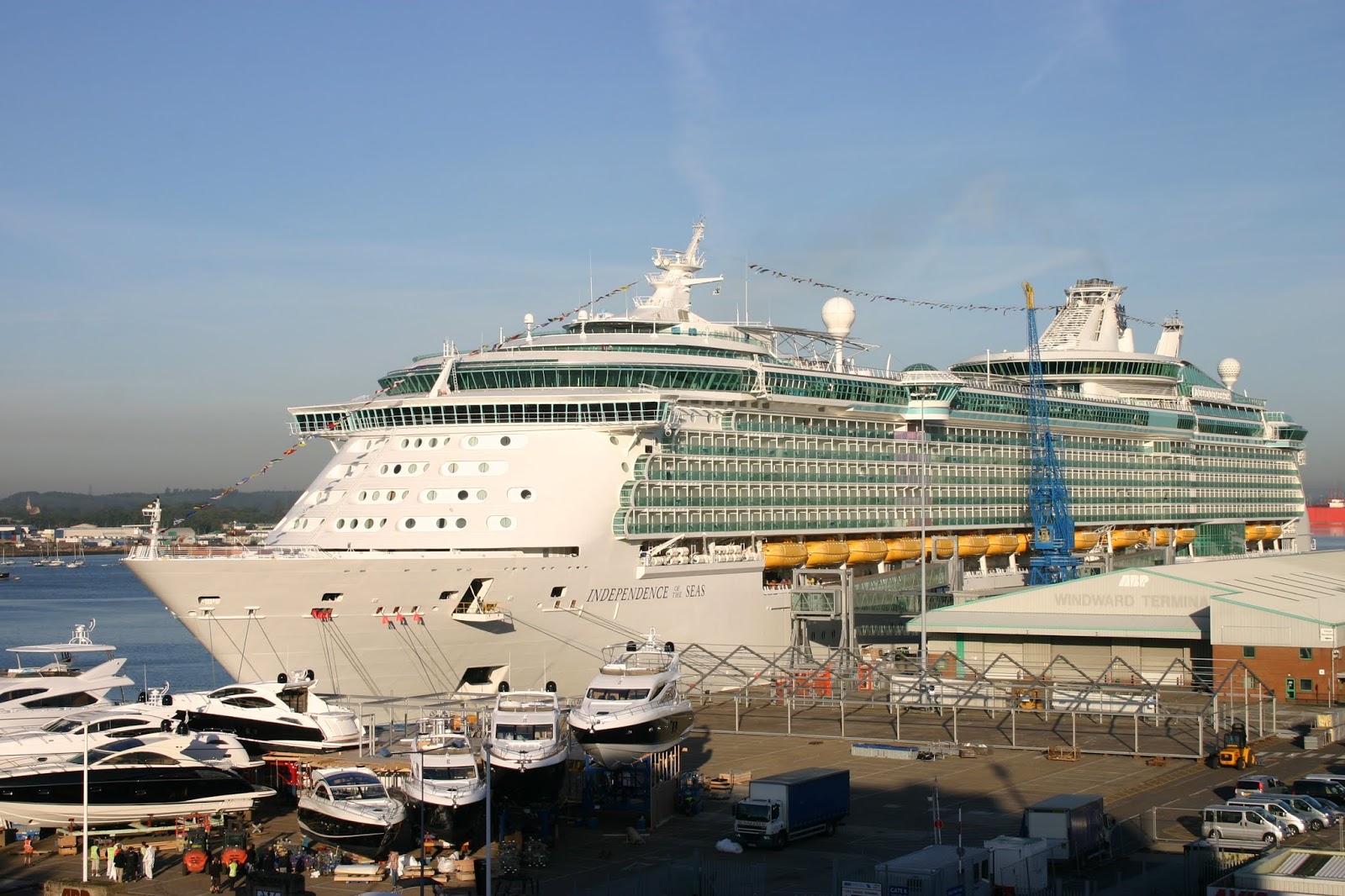
Independence of the Seas in Southampton photo credit Dave Jones.

Royal Caribbean Cruises Ltd, the world’s second-largest cruise line operator, will now go by the new moniker: Royal Caribbean Group.

With the new name comes a new identity, as well. The company’s logo has also been updated with the iconic crown and anchor emblem being sharpened and made more symmetrical. The crown will officially now reside inside a circle at all times.
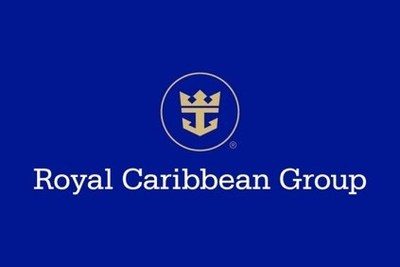
Royal Caribbean Group sets sail with updated corporate identity

“The name is simpler, fresher and more modern. It’s also more descriptive—Royal Caribbean Group sounds like a parent company name, reflective of our growth and evolution since we last updated our identity more than 20 years ago,” said Royal Caribbean Group chairman and CEO Richard Fain.

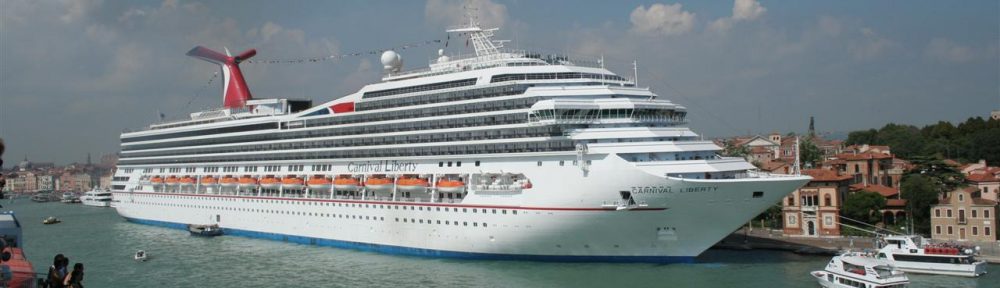
Royal Caribbean Group’s flagship cruise line brands still include Royal Caribbean International, Celebrity Cruises, Silversea, Azamara, TUI Cruises and Hapag-Lloyd Cruises. Together, the brands operate 63 ships with an additional 16 on order as of July 10, 2020.

The new branding comes as the Royal Caribbean Group (NYSE: RCL) has suspended all sailings through September due to the COVID-19 pandemic. The voluntary suspension is in-line with the U.S. CDC required suspension for cruise lines operating out of the United States.
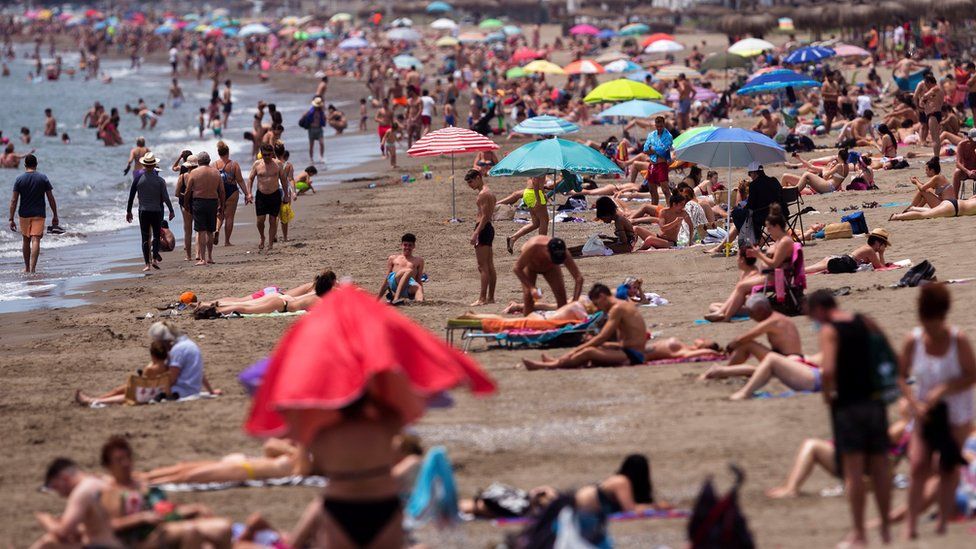
Foreign Office warns against all non-essential travel to the whole of Spain

Coronavirus: UK brings back 14-day quarantine for Spain - BBC News

The Foreign Office has extended its advice against all but essential travel to the whole of Spain.

An update from the FCO on Saturday advised against non-essential travel to mainland Spain but excluded the Balearic Islands and the Canary Islands.

That announcement corresponded with the government’s decision to remove the whole of Spain including the islands from the list of countries from which travellers are exempt from quarantine on arrival in the UK.

Industry leaders had called for air bridges to be set up between the islands and the UK, arguing that they were safer destinations than the mainland. On Monday afternoon, the BBC said a government source had confirmed talks were ongoing.

Major tour operators including Tui and latterly Jet2holidays suspended their programmes to mainland Spain but were continuing to fly to the Canaries and Balearics based on the FCO’s guidance.

The FCO said it has now extended its advice to cover the entire country following an assessment of Covid-19 risks.

Coronavirus: Spain races to save tourism as cases surge - BBC News

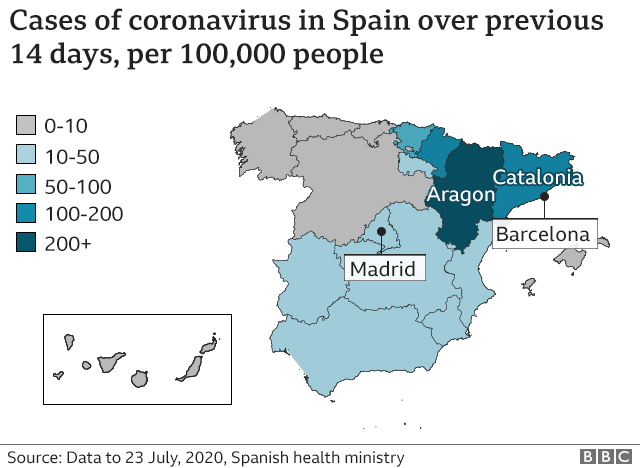
It said the advice was based on evidence of an increased number of cases of Covid-19 in several regions including Aragon, Navarra and Catalonia, which includes the cities of Zaragoza, Pamplona and Barcelona.

Holidaymakers in Spain are not being advised to leave at this time.

The updated advice says: “The FCO is not advising those already travelling in Spain to leave at this time. Travellers should follow the advice of the local authorities on how best to protect themselves and others, including any measures that they bring in to control the virus.

“If you are returning from Spain you will be required to self-isolate on your return to the UK, but the FCO is not advising you to cut short your visit. You should contact your tour operator or airline if you have any questions about your return journey.”

United introduces new airflow on aircraft to tackle virus spread

United Airlines cancels all flights to mainland China - Chicago ...

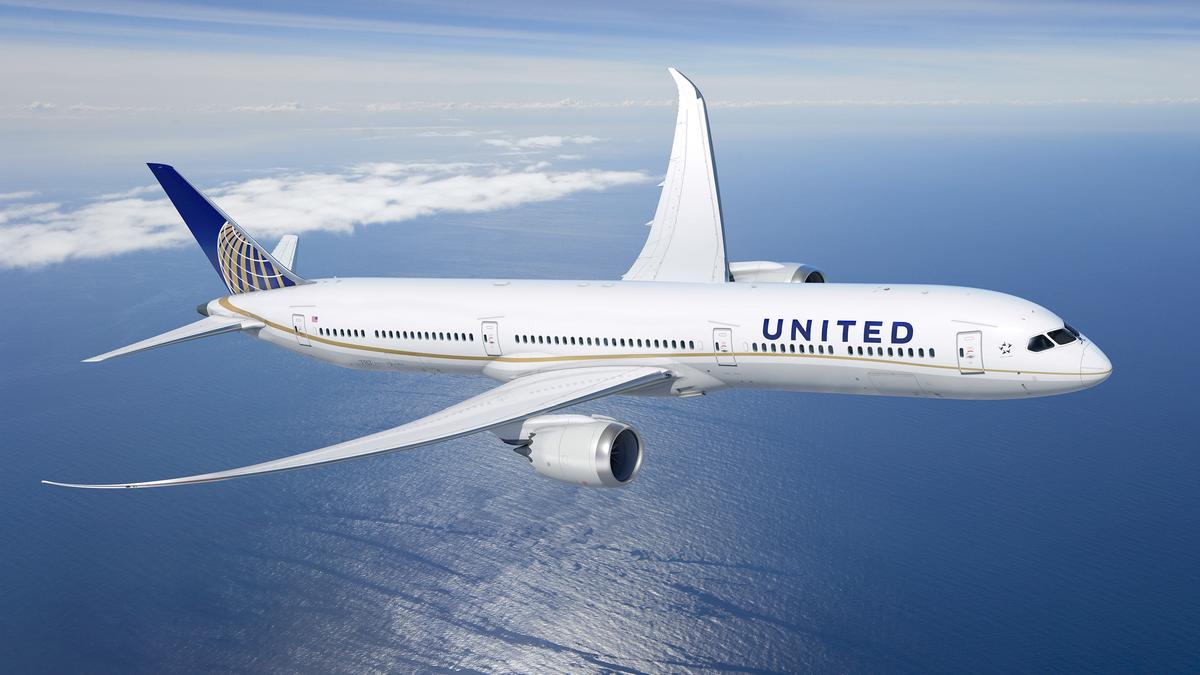
United Airlines will introduce new procedures from July 27 to maximise the volume of airflow through its aircraft filtration systems during boarding and disembarking.

The cabin airflow plan is part of the carrier’s plans to further reduce the spread of coronavirus.

The aircraft’s’ high-efficiency particulate air (HEPA) filtration systems, air conditioning and pressurisation systems recirculate the cabin air every two to three minutes.

This removes 99.97% of particles – including viruses and bacteria during ground and air operations.

United said this makes the air onboard a plane “significantly cleaner” than in restaurants, shops, schools or even some hospitals.

Scott Kirby, United’s chief executive, said: “We know the environment on an aircraft is safe and because the airflow is designed to minimise the transmission of disease, the earlier we maximise airflow over our HEPA filtration system, the better for our crew and our customers.

“The quality of the air, combined with a strict mask policy and regularly disinfected surfaces, are the building blocks towards preventing the spread of Covid-19 on an aeroplane.

“We expect that air travel is not likely to get back to normal until we’re closer to a widely administered vaccine – so we’re in this for the long haul.