Cruise Restart: 347 Ships Sailing in May

The global cruise industry’s restart is continuing to move forward in May, as 347 cruise ships are expected to sail, according to the May edition of the Cruise Ships in Service Report by Cruise Industry News.

That is a big gain of ships from April, when 300 ships were in service, compared to 264 in March, and just 47 ships in May 2021.

Of the 347 ships set to cruise in April, they represent some 82 cruise brands and just over 550,000 berths.

Royal Caribbean International continues to be the biggest brand in service and will have 25 ships sailing in May, including welcoming back the Ovation of the Seas in Alaska and the Rhapsody of the Seas in the Mediterranean.

Carnival Cruise Line will complete its restart with its 23-ship fleet sailing, with the Splendor relaunching operations on May 2 for her 2022 summer program in Alaska.

Norwegian Cruise Line will welcome back the Sun, sailing out of Seattle to Alaska, and the Spirit, which is starting service as well on May 7.

Other highlights include the Royal and Crown Princess relaunching revenue sailings, and the AIDAaura, which cruises from Hamburg on May 7.

P&O and Cunard to Drydock at Harland & Wolff

Harland & Wolff has been awarded a drydock contract for two cruise ships from P&O Cruises and Cunard.

The two Carnival Corporation ships will drydock for a total of 33 days as the Aurora and Queen Victoria will both visit the Belfast facility.

They are two of a projected 24 Carnival Corporation ships to drydock in the second quarter.

The work due to being undertaken on both ships are standard drydocking operations that will give Harland & Wolff the opportunity to demonstrate to the wider cruise industry, its skills, capabilities and expertise in these types of projects, the company said, in a press release

The Queen Victory will drydock from May 2 to 19 and will be the largest cruise ship ever to have drydocked in a UK shipyard and the only Cunard ship to have ever drydocked in Belfast.

The Aurora will visit from June 9 to 23.

Harland & Wolff, group CEO John Wood, commented: “When acquiring the assets of Harland and Wolff (Belfast) in December 2019 and in a pre-pandemic period, the cruise industry was one of our key target markets.

“Our facilities are ideally placed to capitalize on these types of large projects whilst we continue servicing our smaller but regular clients. We have now secured contracts in four out of our five markets; commercial, cruise & ferry, renewables and energy – we now look forward to completing the final milestone of securing a defence contract in the near future.”

Carnival UK, vice-president maritime David Varty said: “We are delighted to be able to have these two ships at a UK shipyard with such a long heritage and reputation and we very much look forward to supporting the UK maritime industry and working closely with the Harland & Wolff team on this project.”

MSC Cruises to Increase Dominance in Europe

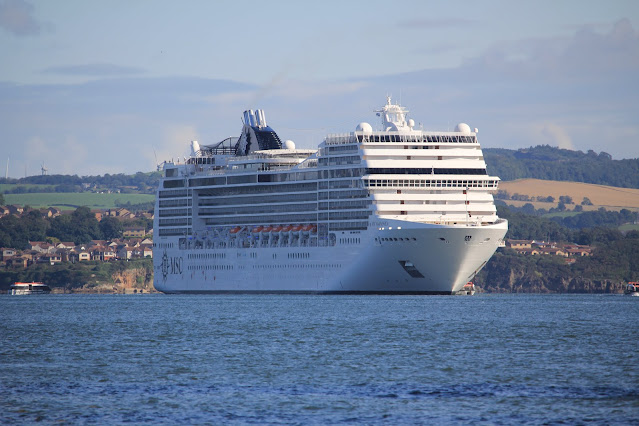
MSC Magnifica in Queensferry Edinburgh, Photo credit Spacejnkie2

The European market will increase by dominated by MSC Cruises, according to the 2022 Cruise Industry News Annual Report.

By 2027 MSC will not only have the most passenger cruise capacity in Europe but also be the single largest brand, based on its new build program and projected ship deployments.

MSC Cruises, including its Explora Journeys brand, will have a total passenger capacity of 4.3 million in Europe in 2027, compared to 4.0 million for Carnival Corporation brands and 1.5 million for the TUI Group.

In addition, would be ships deployed from Carnival’s North American brands and by the Royal Caribbean Group, but their passenger sourcing, pending circumstances, is primarily from the U.S.

From 2022 to 2027, MSC will see its capacity grow by 36.2 per cent, Carnival by 3.3 per cent and the TUI Group by 41.7 per cent.

MSC is a pan-European brand, along with Costa Cruises, while national brands dominate some markets, such as P&O in the UK, AIDA and TUI in Germany.

The market capacity of the Europe-based brands is estimated at 9.2 million passengers this year and is projected to grow to 11 million by 2027.