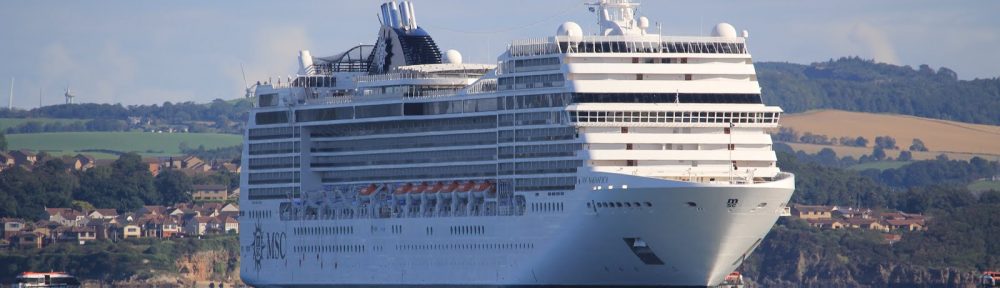

MS Koningsdam is a new cruise ship being constructed by Fincantieri at its Marghera shipyard, Italy, for Holland America Line. It will be the first Pinnacle-class vessel to join Holland America’s cruise ship fleet.
The first steel for MS Koningsdam was cut in February 2014, and a keel laying ceremony was held in August 2014. Delivery is expected in February 2016.
MS Koningsdam design
Koningsdam is designed in a contemporary style to create a perfect harmony with classic elegance. It will feature luxurious interiors that blend fresh air, fluid curves, elegant lines and illuminated spaces. The public spaces are designed to reflect tradition, whereas the architectural elements are inspired by music.
The central atrium with a ceiling skylight will be three decks high and adorned by an airy stainless steel sculpture. The interiors are designed by Adam D Tihany and Bjørn Storbraaten.
The 99,500 gross register tonnage (grt) cruise ship will have a capacity to accommodate 2,650 passengers and 1,025 crew members.
Accommodation aboard the new Pinnacle-class cruise ship
The new Pinnacle-class cruise ship will offer single and family staterooms. The staterooms will be classified into three categories, namely Neptune, Signature and Vista.
The ship will also feature 32 family ocean-view staterooms that occupy between 222ft2 and 231ft2, with two bathrooms and accommodation for five people, and 12 single ocean-view cabins measuring between 127ft2 and 172ft2. The staterooms and suites will be furnished with custom casework, USB ports and frameless glass shower doors.

A grand Pinnacle Suite of 1,290ft2 will comprise a living area, dining area, dressing area, bedroom and personal verandah with whirlpool. The cruise ship will also feature two Neptune Spa Suites and 43 Neptune Suites. The guests of Neptune and Pinnacle suites will have access to the Neptune Lounge, with the personalised service of a concierge.
The fleet-wide lounges offer worktables, a big-screen television, a library, sofas and chairs, complimentary refreshments and wi-fi at a nominal charge in the ship.
Koningsdam will also offer affordable accommodation, including 266 standard or large interior rooms of up to 225ftsq. Most of the rooms will feature verandas. The verandah spa accommodations, which will be located near the Greenhouse Spa & Salon, will offer health and wellness services during the journey.
Dining aboard the Koningsdam
The guests on-board Koningsdam can enjoy dining at six restaurants, namely the Pinnacle Grill, the main dining room, the Lido, Tamarind Asian fusion restaurant, In-Cabin and Balcony Dining, and Canaletto Italian restaurant.
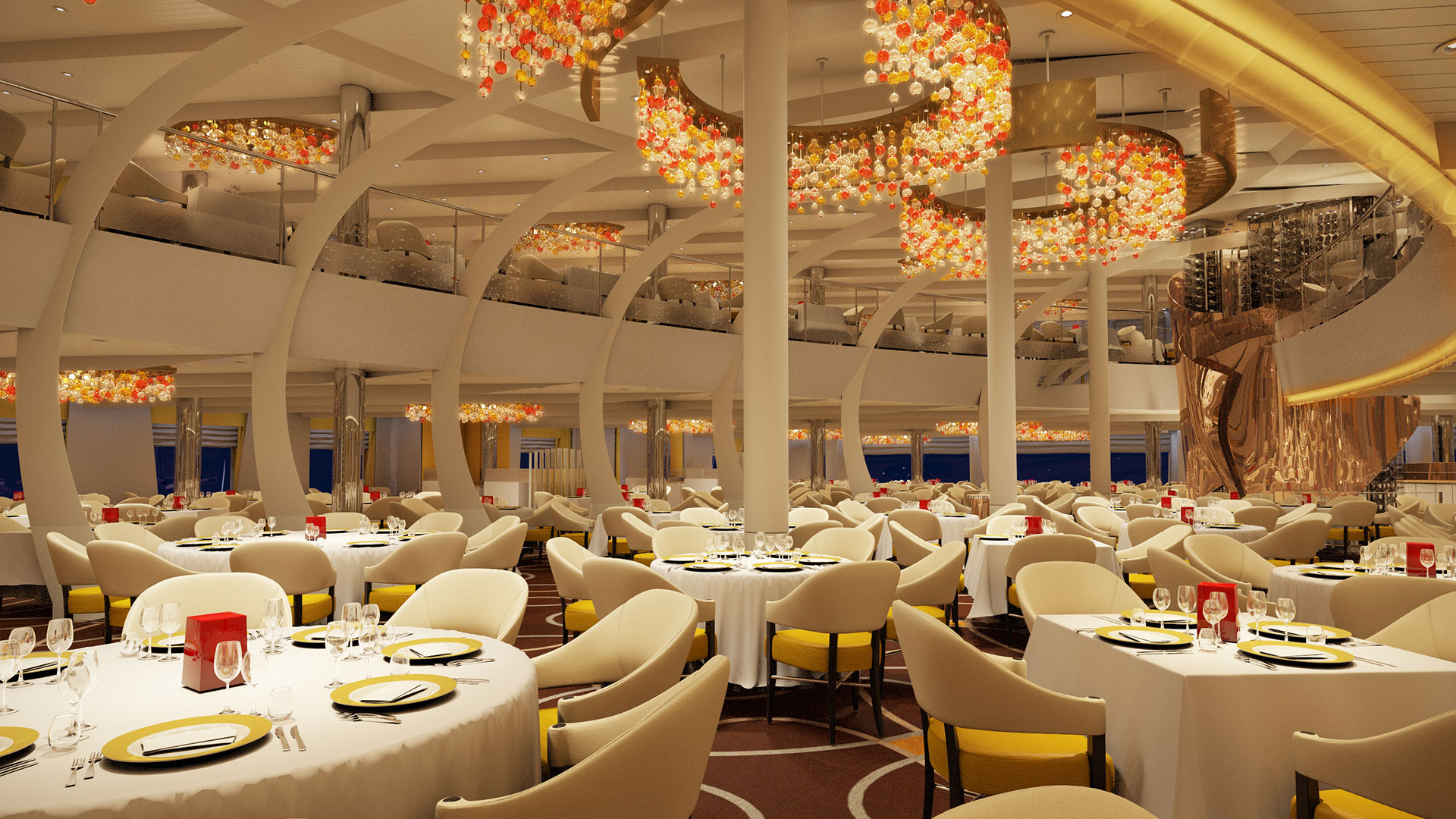
The central bar area will allow the guests to check-in for an alternative-dining reservation at the central podium, and enjoy a pre-dinner cocktail before being seated at the restaurant.
The Culinary Arts Centre will offer activities such as hands-on classes and cooking demonstrations during the day, while it will transform into a dining area and the Grand Dutch Café to provide snacks or beverages in the evening.
MS Koningsdam entertainment venues
The Music Walk complex on the ship will encompass the Lincoln Centre Stage, Billboard Onboard and BB King’s Blues Club.

The World Stage, with multiple stage configurations, will feature high-definition 270° LED screen of two stories high and 250ft-long. It will be equipped with state-of-the-art sound systems and lighting for showcasing performances and productions.
Additional facilities will include Digital Workshop, Explorations Café, Fitness Centre, Merabella luxury shop, Signature Shops, Promenade, Casino and Explorer’s Lounge.
MS Koningsdam itineraries
MS Koningsdam will enter service with a seven-day round-trip voyage from Civitavecchia (Rome) to Naples, followed by a series of six 12-day sailings across the Mediterranean.


 Cutting fuel consumption is likely to be the main approach to reducing marine greenhouse gases for years to come.
 Wetravel2u's Weblog